About the Episode
Two years after the attack on Pearl Harbor, President Franklin Roosevelt and his strategists are determined to launch a sustained bombing campaign against Japan. The key is the United States’ new long-range bomber, the B-29 Superfortress. But the Americans need a base within range of Japan’s home islands to operate from.
China, under Nationalist leader Chiang Kai-Shek, looks like the logical choice. But after years of sustained Japanese encroachment, and amid its own civil war with Communist forces, Chiang needs a massive influx of Allied support to make this a viable option.
In early 1944, the Allies launch an operation through the Burmese jungle to shore up China. Unbeknownst to them, the Japanese have designs on the crown jewel of the British Empire: India. The two sides will clash along the Burmese-Indian border and in the dense jungles of Burma in the “forgotten theater” of World War II.
And all the while, the US Navy is fighting its way across the Pacific toward another potential B-29 base: the Mariana Islands.
The National WWII Museum was proud to support HISTORY's work on this series through historical research, educational outreach, and archival footage, as well as on-site interviews with WWII veterans that will be featured as part of the network’s “Save Our History” initiative.
Related Content
Read More-
 Article Type
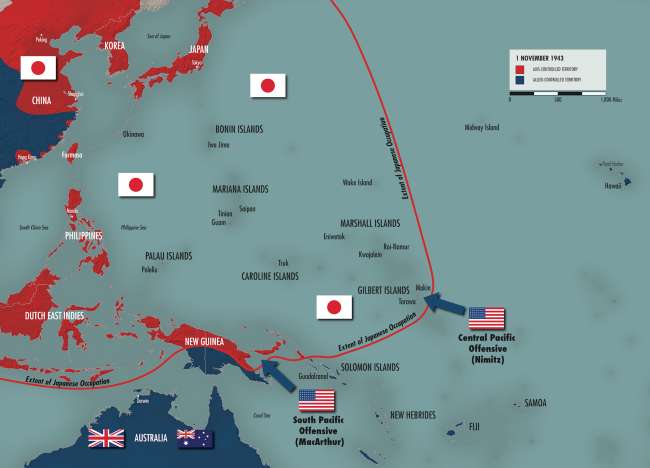
The Pacific Strategy, 1941-1944
On December 7, 1941, Japan staged a surprise attack on Pearl Harbor, severely damaging the US Pacific Fleet. When Germany and Italy declared war on the United States days later, America found itself in a global war.
-

Battle of Tarawa | WWII IN 2
John Curatola, Military Historian at the Jenny Craig Institute for the Study of War and Democracy, tells us about this pivotal and... -
Article Type
The Battle of Peleliu: The Forgotten Hell
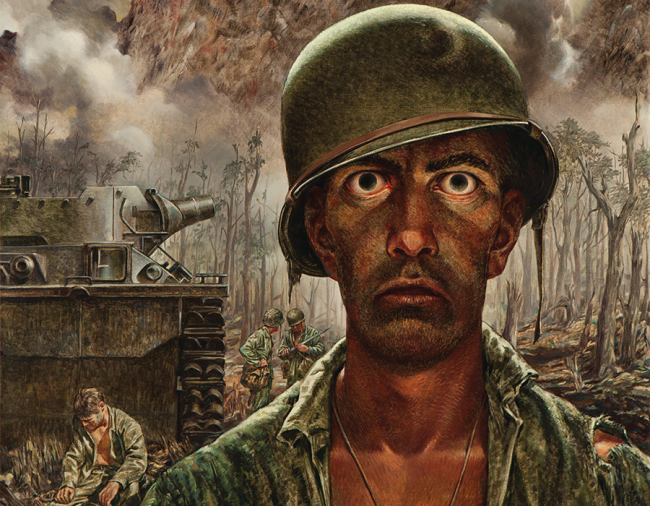
Underscoring its ferocity, future commandant of the Marine Corps General Clifton Cates argued that “the fight for Peleliu was one of the most vicious and stubbornly defended battles of the war.”
-
Article Type
Liberation in China and the Pacific
Dr. Rana Mitter depicts how China held a critical role in the Pacific theater during the war as a key ally for the United States. The war's end, however, brought a devastating blow to American diplomacy as China ultimately fell to communism, forever changing the global balance of power in the emerging Cold War.
Flying 'The Hump'
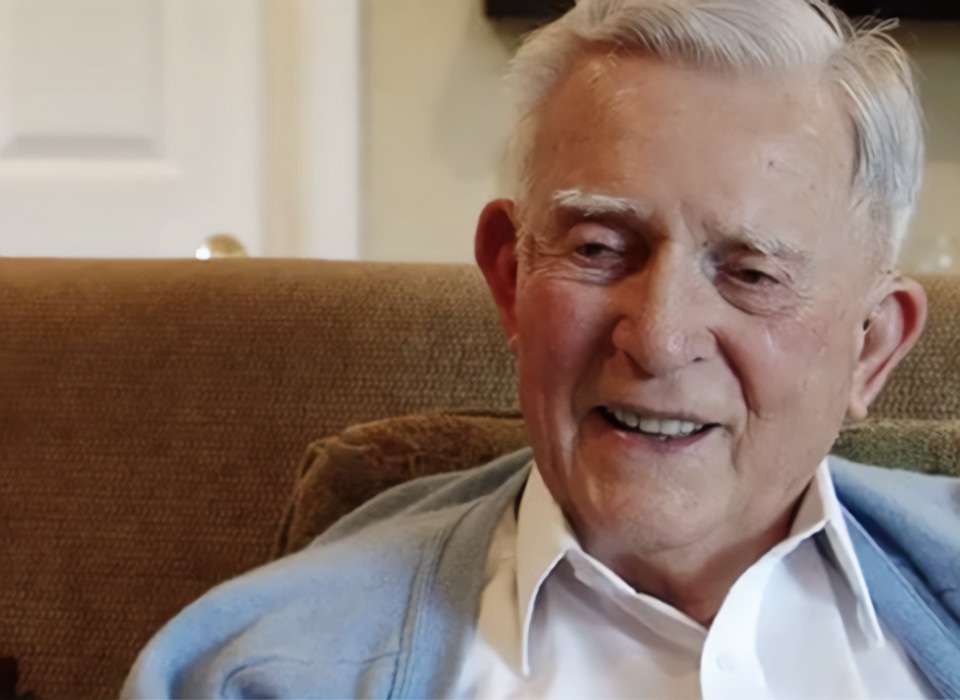
US Army Air Forces pilot Revis Haslett recounts flying bomber missions over the Himalayas and serving in the China-Burma-India theater.
EDUCATIONAL RESOURCES
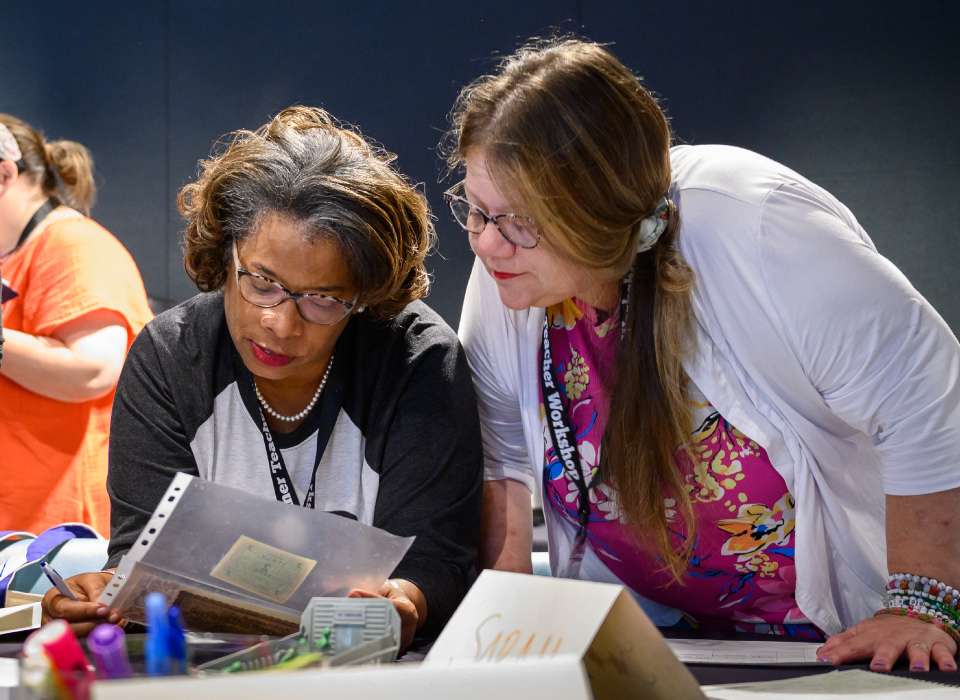
The National WWII Museum is a dynamic educational resource that engages and inspires students, teachers, and lifelong learners of all ages and backgrounds around the world. Explore distance-learning programs, curriculum guides, and classroom-ready digital content featuring Museum educators, primary source materials, and other resources.
Road to Tokyo
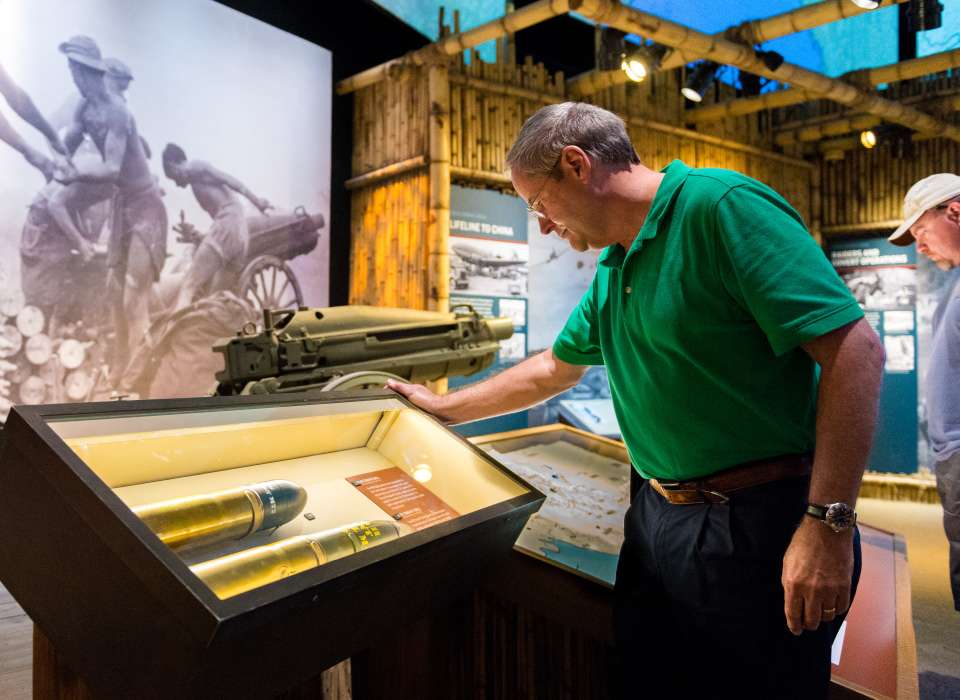
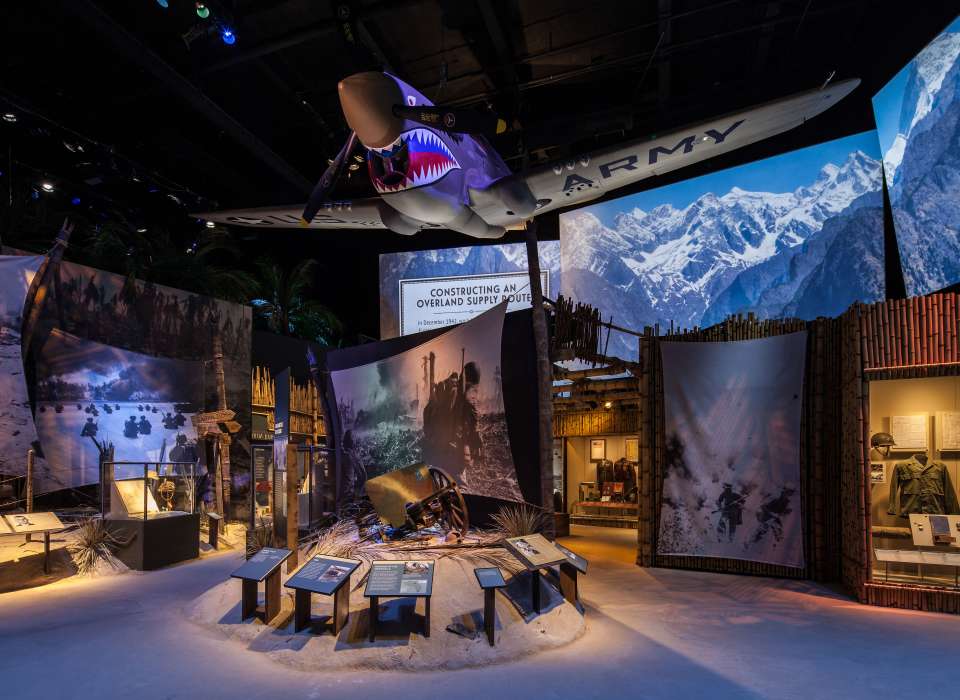
The Richard C. Adkerson & Freeport-McMoRan Foundation Road to Tokyo: Pacific Theater Galleries retraces the grueling trail that led from Pearl Harbor to Tokyo Bay. The exhibit explores the evolving strategy for fighting relentless Japanese forces in Asia and the Pacific, examining cultural differences, logistical challenges, and the staggering range of extreme conditions that confronted American military forces.
SEE AMERICA'S NATIONAL WWII MUSEUM
Our institution explores the full story of the American experience in World War II through immersive exhibits, multimedia experiences, and an expansive collection of artifacts and personal accounts. Plan your visit to the top-rated attraction in New Orleans and be inspired by the stories of those who came together to secure Allied victory.