About the Episode
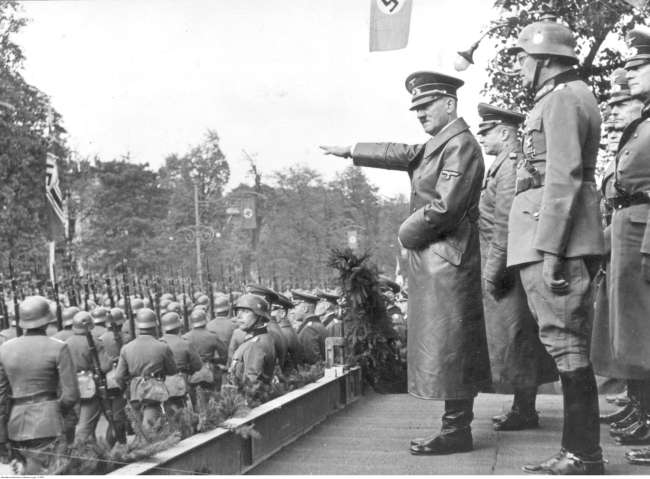
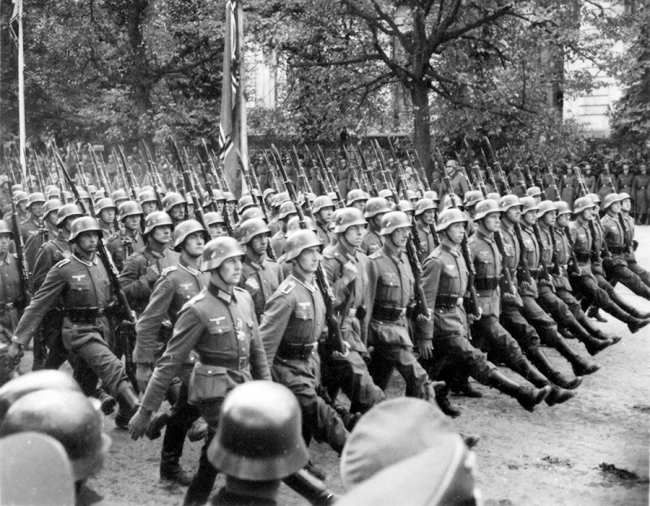
In September 1939, Adolf Hitler orders German forces into Poland. The Germans execute a new kind of battle plan: a war of movement using rapid mobile infantry, artillery, and tank divisions, closely supported by their menacing aerial warfare branch. They advance on Warsaw with 2,000 tanks, followed by nearly 900 bombers and over 400 fighter planes, targeting military personnel and civilians alike. The Polish armed forces offer courageous resistance but are outgunned and overrun.
A man of terrifying ambition, Hitler seeks revenge for Germany’s defeat in World War I and plans for a 1,000-year Reich that will dominate the continent and suppress so-called inferior races. In Moscow, Joseph Stalin seizes the moment to carve up Poland with Hitler in an opportunistic deal between dictators, shocking the world.
Even Poland’s allies, Britain and France, can do nothing to stop the onslaught. President Franklin D. Roosevelt is horrified but knows that America is not yet willing, or able, to intervene.
The National WWII Museum was proud to support HISTORY's work on this series through historical research, educational outreach, and archival footage, as well as on-site interviews with WWII veterans that will be featured as part of the network’s “Save Our History” initiative.
Related Content
Explore More-
 Article Type
The Invasion of Poland
From the beginning, this was to be a different kind of war—a war not only of conquest but also of annihilation.
-
Article Type
Eleanor Roosevelt's Response to Germany's Invasion of Poland
In her September 2, 1939, My Day column, Eleanor Roosevelt reacts to the news of Germany's invasion of Poland, sharing her dismay at Adolf Hitler's actions and expressing sorrow for the European nations facing the crisis.
-
Article Type
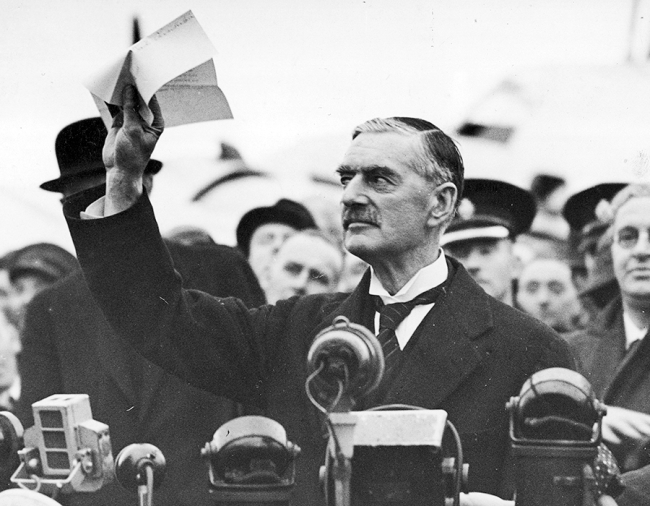
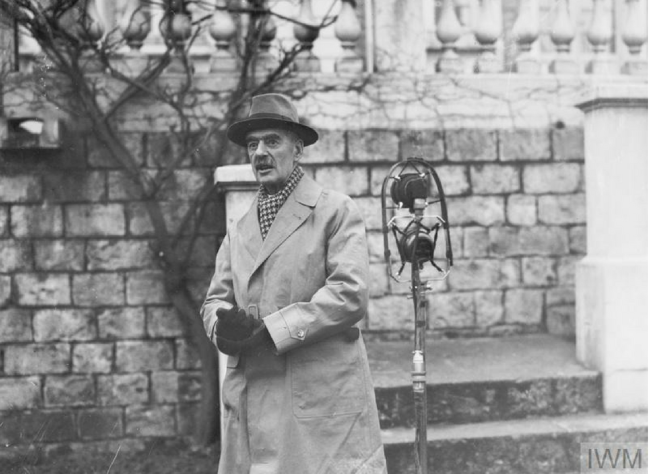
Appeasement and ‘Peace for Our Time’
Concessions in diplomatic negotiations were nothing new, but after Munich, appeasement took on a new meaning.
-
THE INVASION OF POLAND
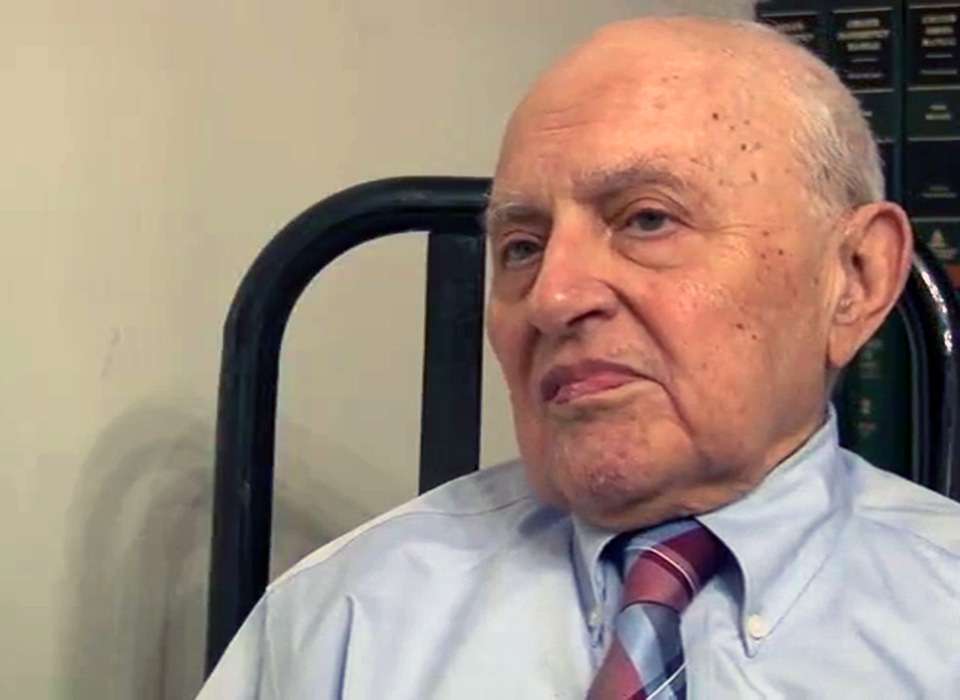
Ted Winestone was born in September 1929 in Poland. In his oral history, he recalls how, as a young Jewish boy, his life quickly changed after forces from Germany and the Soviet Union occupied his country.
Educational Resources
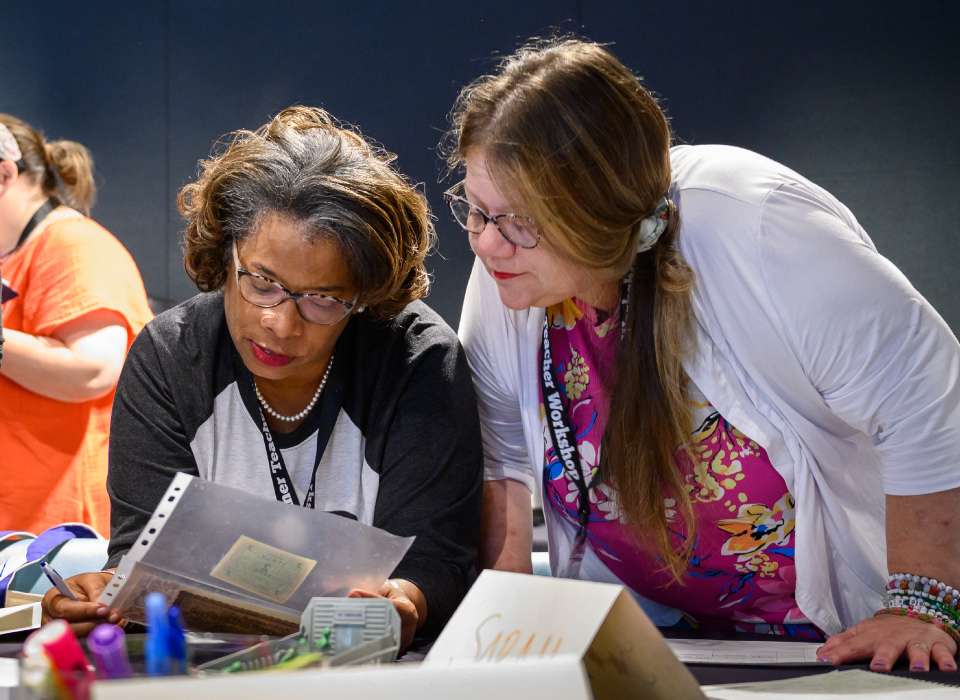
The National WWII Museum is a dynamic educational resource that engages and inspires students, teachers, and lifelong learners of all ages and backgrounds around the world. Explore distance-learning programs, curriculum guides, and classroom-ready digital content featuring Museum educators, primary source materials, and other resources.
THE RISE AND FALL OF HITLER’S GERMANY
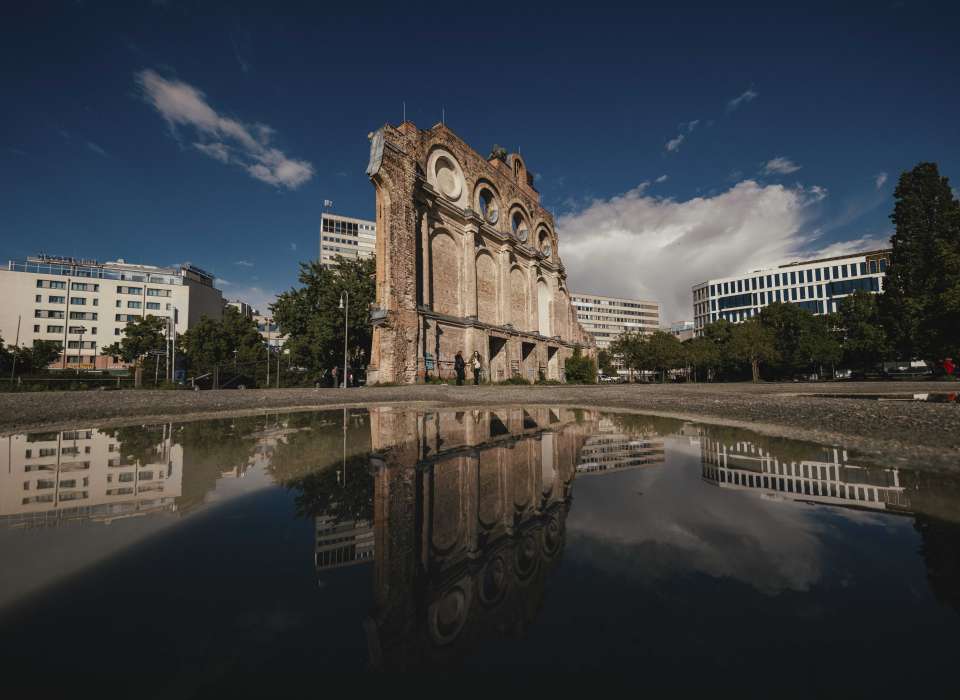
Join featured historian Dr. Alexandra Richie and expert local guides on a journey back in time to explore the origins of World War II. Travel through cities such as Berlin, Kraków, and Warsaw, and experience poignant sites of profound significance like Stalag Luft III prisoner-of-war camp in Żagań, Westerplatte near Gdańsk, and the Auschwitz-Birkenau concentration camp.
See America's National WWII Museum
Our institution explores the full story of the American experience in World War II through immersive exhibits, multimedia experiences, and an expansive collection of artifacts and personal accounts. Plan your visit to the top-rated attraction in New Orleans and be inspired by the stories of those who came together to secure Allied victory.