About the Episode
With the surrender of Japan in August 1945, the war is over. Millions of Allied soldiers from around the globe return home, triumphant in their victory over Germany and Japan. But Europe and large swaths of Asia are devastated by war, with cities destroyed, millions dead, and a burgeoning refugee crisis.
The United States, largely untouched by the war, and the Soviet Union, ascendent in its conquest of Eastern Europe, initially work together to decide the fate of Germany and establish a new world order, with the purpose of avoiding another world war.
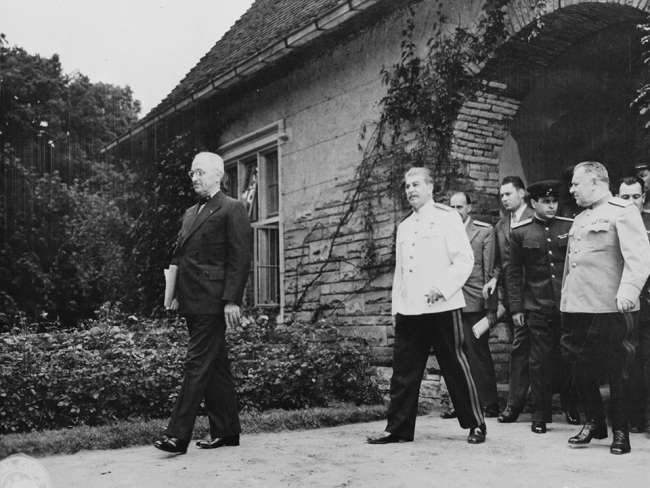
But over the course of the next half-decade, as President Harry Truman pursues a path of democracy and American influence throughout the world, Soviet leader Joseph Stalin moves to consolidate power through the spread of communism, using brute force when necessary as he works towards his ultimate goal of becoming a nuclear superpower. These two nations will go from Allies of convenience to ideological adversaries, launching the next phase of global conflict amid the specter of nuclear war.
The National WWII Museum was proud to support HISTORY's work on this series through historical research, educational outreach, and archival footage, as well as on-site interviews with WWII veterans that will be featured as part of the network’s “Save Our History” initiative.
Related Content
Read More-
 Article Type
Great Responsibilities and New Global Power
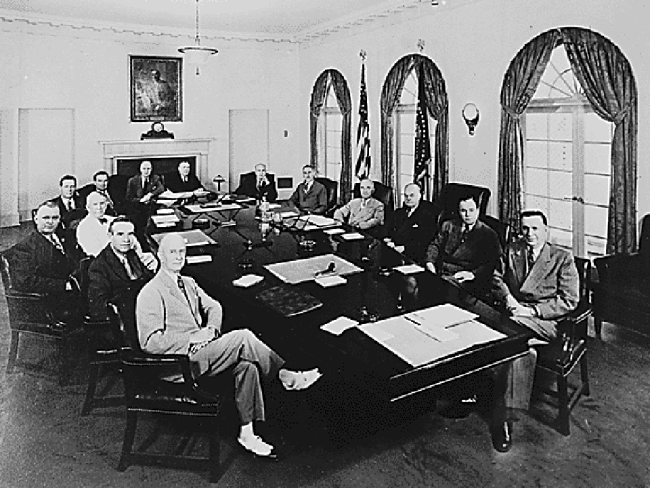
World War II transformed the United States from a midlevel global power to the leader of the “free world.” With this rapid rise in power and influence, the United States had to take on new responsibilities, signaling the beginning of the "American era."
-
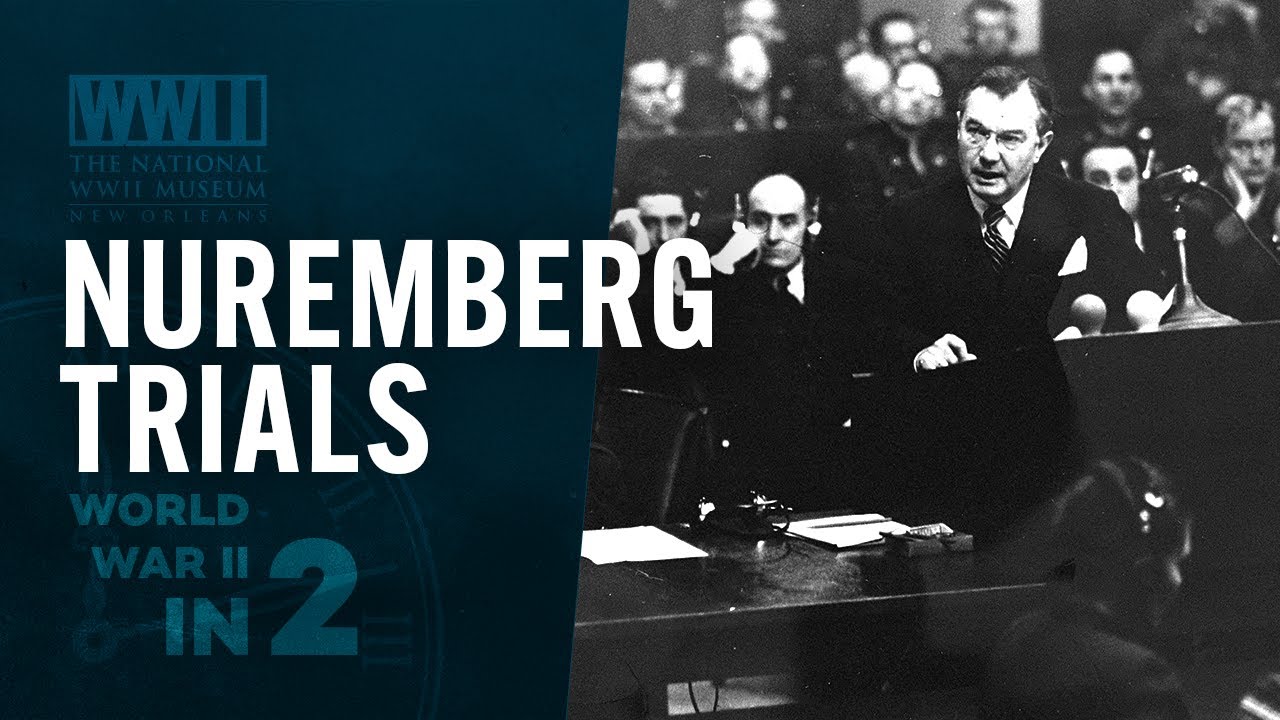
The Nuremberg Trials | WWII In 2
In the ruins of wartorn Europe, Allied leaders confronted an unprecedented challenge: How do you deliver justice for the victims o... -
Article Type
Cold Conflict
The United States was not the only leading power on the world stage after the end of World War II; it had a new competitor for this power in the Soviet Union. Tensions between the former allies quickly grew, leading to a new kind of conflict—one heightened with the threat of atomic weapons—that came to dominate global politics for the remainder of the twentieth century.
-
Article Type
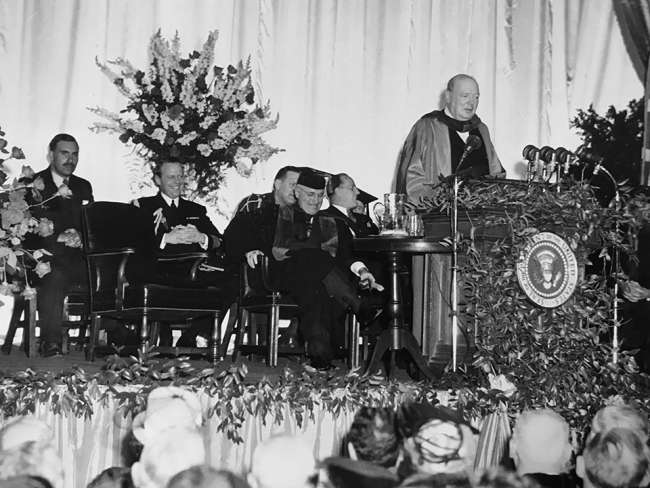
Winston Churchill’s Iron Curtain Speech—March 5, 1946
Churchill’s famed “Iron Curtain” speech ushered in the Cold War and made the term a household phrase.
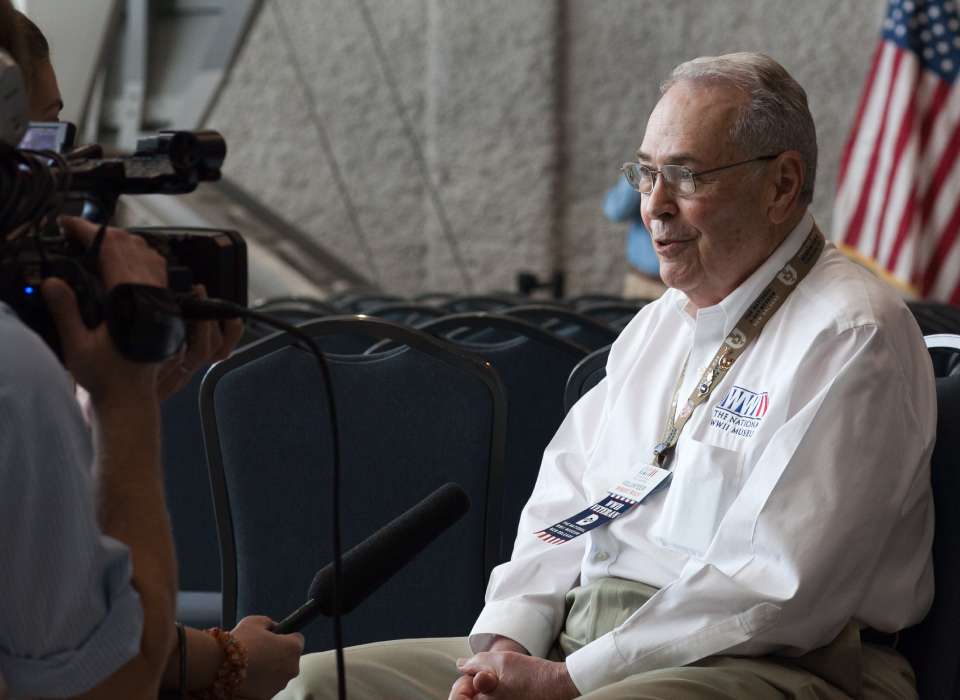
Oral Histories from the WWII Generation
The National WWII Museum's collection includes thousands of hours of interviews with WWII veterans, Home Front workers, Holocaust survivors, and other members of the WWII generation, offering firsthand memories of the war that changed the world.
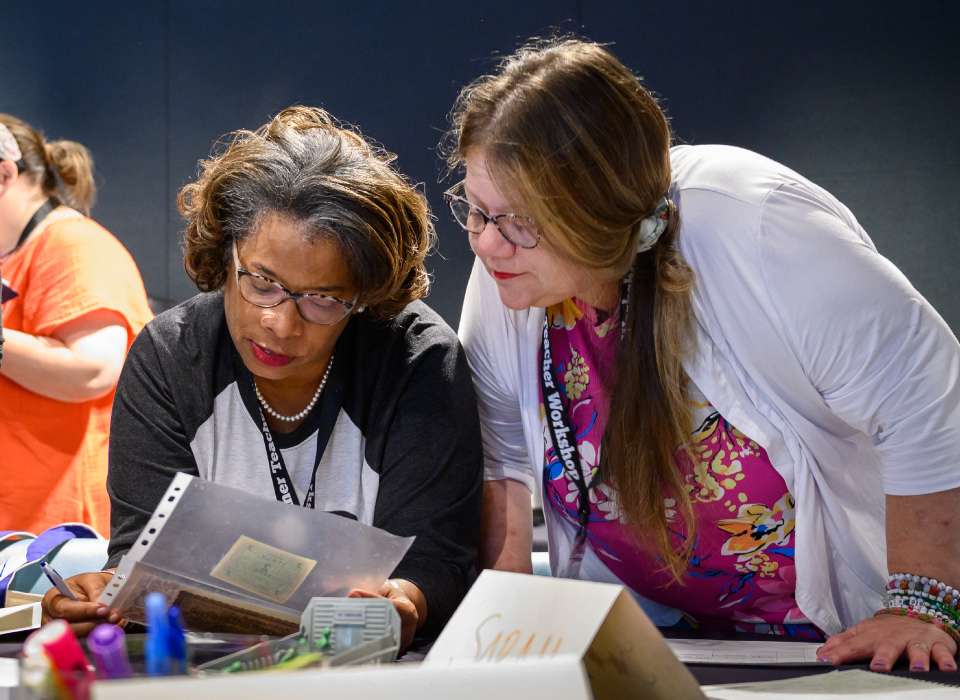
EDUCATIONAL RESOURCES
The National WWII Museum is a dynamic educational resource that engages and inspires students, teachers, and lifelong learners of all ages and backgrounds around the world. Explore distance-learning programs, curriculum guides, and classroom-ready digital content featuring Museum educators, primary source materials, and other resources.
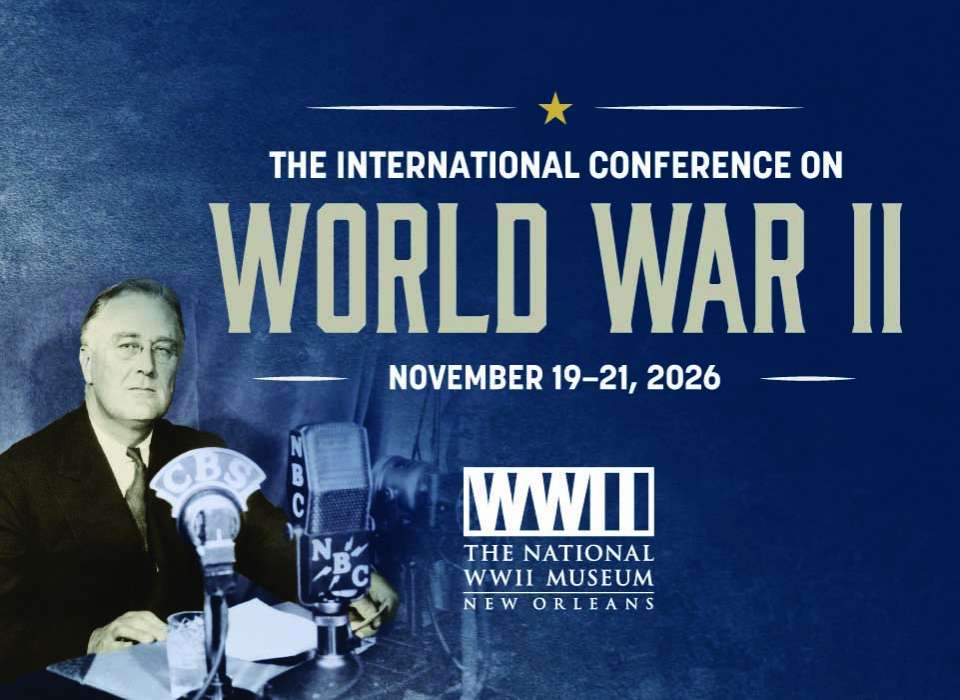
19th International Conference on World War II
Join us for the premier adult educational event bringing together the best and brightest scholars, authors, historians, and witnesses to history from around the globe to discuss the war that changed the world.
SEE AMERICA'S NATIONAL WWII MUSEUM
Our institution explores the full story of the American experience in World War II through immersive exhibits, multimedia experiences, and an expansive collection of artifacts and personal accounts. Plan your visit to the top-rated attraction in New Orleans and be inspired by the stories of those who came together to secure Allied victory.