About the Episode
After defeating Poland in September 1939, German forces sweep through the Netherlands and Belgium, heading for France. The heavily fortified Maginot Line protects France’s borders, but German Field Marshal Erich von Manstein spots a weak point in the Ardennes Forest—and exploits it to shocking effect.
Winston Churchill, called upon to lead the United Kingdom after Neville Chamberlain resigns, begins his premiership in one of the most catastrophic weeks in British history. Allied forces in France are quickly overwhelmed, retreating in full to the coast. With British forces trapped in a corner, Churchill is pressured to consider a negotiation with Adolf Hitler as they struggle to get their surviving troops back home. Answering a desperate call, volunteer vessels come to the rescue of the stranded troops under attack at Dunkirk.
France quickly signs an armistice with Nazi Germany, and the United States looks on in shock while Hitler’s victory parade marches through the streets of Paris. President Franklin D. Roosevelt calls to mobilize US wartime production as London defends her skies from German bombers.
But Hitler is forced to call off his invasion plan for Great Britain, thanks to the United Kingdom's heroic Royal Air Force (RAF). After being elected for a third term, Roosevelt declares the United States’ role as the "arsenal of democracy," supporting Britain as she stands—now alone—against Hitler.
The National WWII Museum was proud to support HISTORY's work on this series through historical research, educational outreach, and archival footage, as well as on-site interviews with WWII veterans that will be featured as part of the network’s “Save Our History” initiative.
Related Content
Explore More-
 Article Type
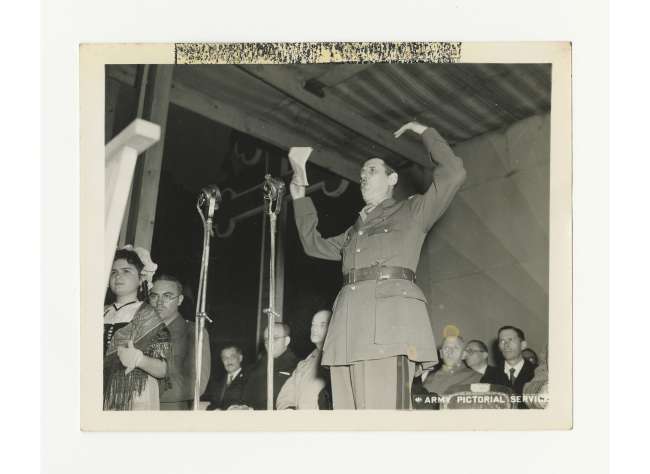
Preserving the “Flame of French Resistance”: Charles de Gaulle’s June 1940 Addresses
Charles de Gaulle’s June 1940 addresses called on the French nation to continue the fight against Nazi Germany.
-
Article Type
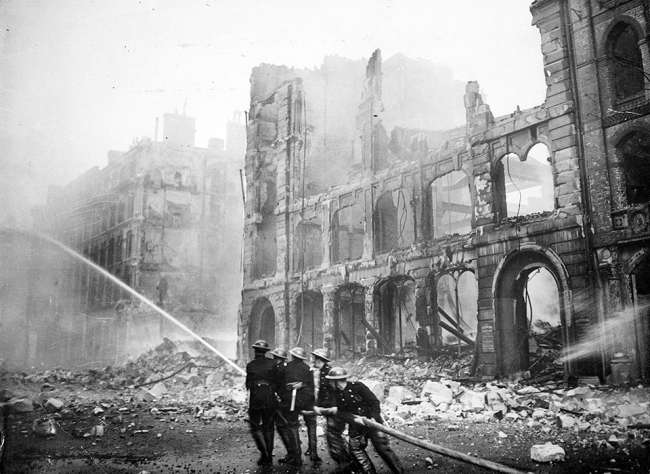
The Blitz of 1940
While the RAF fought in the skies overhead, British civilians in towns of southern England endured regular visits from German bombers in what came to be known as “the Blitz."
-
Article Type
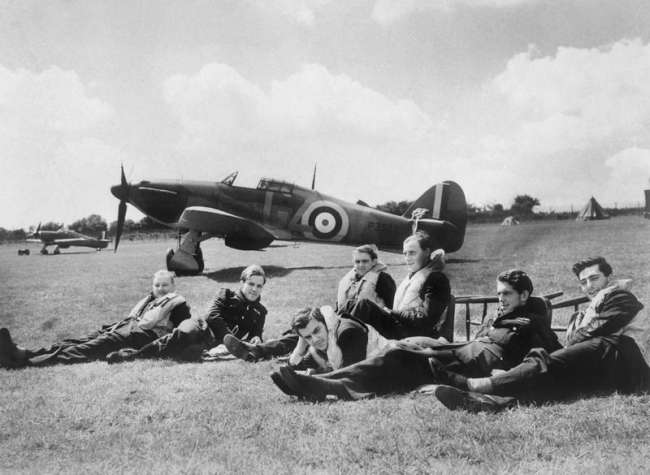
The Battle of Britain: The (Not So) Few
Churchill’s famous quip about the Royal Air Force’s “few” was inspirational, but Fighter Command wasn’t so few and even had several advantages.
-
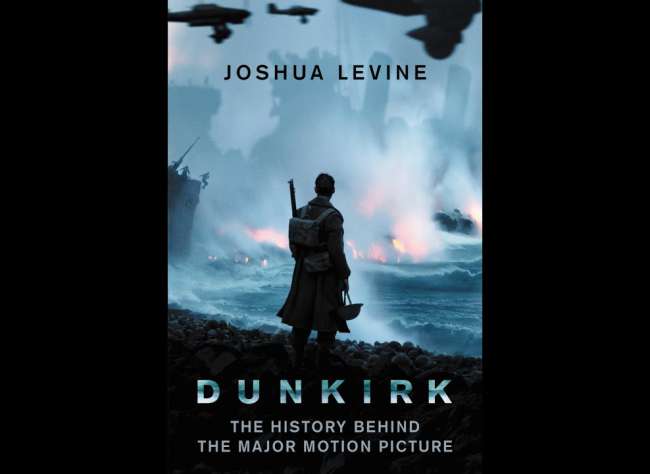
A Discussion of Dunkirk: The History Behind the Major Motion Picture with Author Joshua Levine
Museum librarian Wesley Lucas leads a discussion with author Joshua Levine on his book, Dunkirk: The History Behind the Major Motion Picture.
LIVING THROUGH THE FALL OF FRANCE
French Resistance member Nicole Spangenberg recalls how her life drastically changed following the Nazi invasion of France, and the story of how her family fled their home.

Educational Resources
The National WWII Museum is a dynamic educational resource that engages and inspires students, teachers, and lifelong learners of all ages and backgrounds around the world. Explore distance-learning programs, curriculum guides, and classroom-ready digital content featuring Museum educators, primary source materials, and other resources.

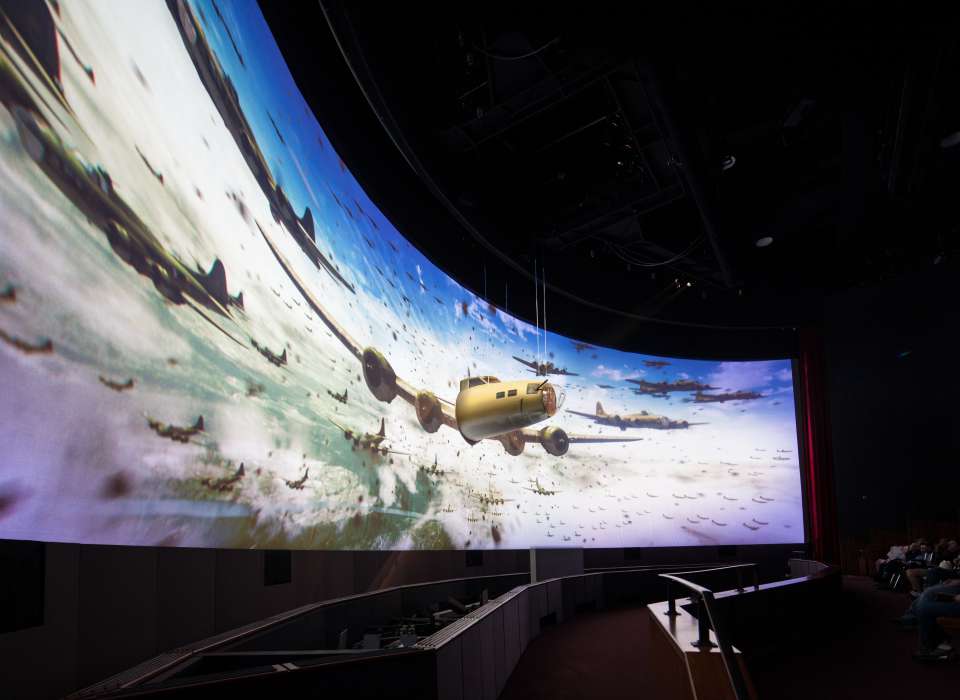
BEYOND ALL BOUNDARIES
The Museum’s signature 4D cinematic experience brings to life America’s WWII story through the words of those who experienced it. Viewers feel the treads of Tiger Tanks rumbling across North Africa’s deserts, steam rising from the jungles of Guadalcanal, and snow falling during the Battle of the Bulge.
See America's National WWII Museum
Our institution explores the full story of the American experience in World War II through immersive exhibits, multimedia experiences, and an expansive collection of artifacts and personal accounts. Plan your visit to the top-rated attraction in New Orleans and be inspired by the stories of those who came together to secure Allied victory.