
About the Episode
By spring of 1945, Allied forces are closing in on Nazi Germany. In this episode, we explore a secret operation to convince one of Hitler’s last armies to surrender. Meanwhile, the OSS becomes involved in securing evidence for the upcoming Nuremberg Trials, and on the other side of the world, agents work to keep rival factions in China in the war.
Host Bradley W. Hart is joined by historians and authors Jeffrey Rogg, Nicholas Reynolds, and Sara Castro, author of Mission to Mao: US Intelligence and the Chinese Communists in World War II.
Topics Covered in This Episode
- Operation Sunrise
- Death of FDR
- End of War in Europe
- V-E Day
- War in China
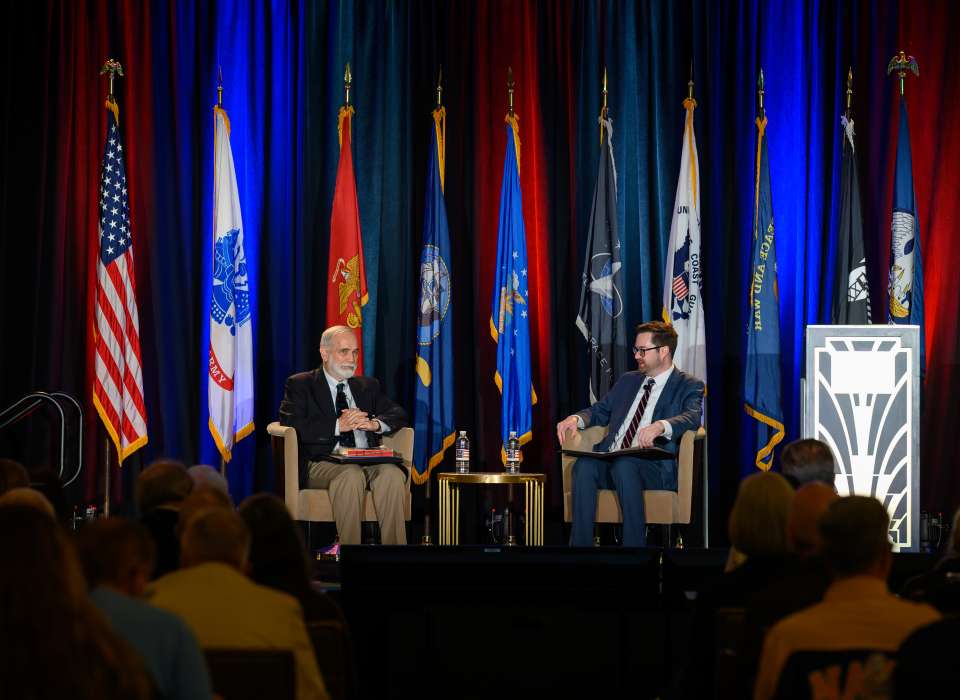
Nicholas Reynolds, PhD
Nicholas Reynolds is a US Marine Corps veteran, serving as an infantry officer and then as an official historian. As a Colonel in the Reserves, he was Officer in Charge of Field History, deploying historians around the world to capture history as it was being made. For many years, he worked at CIA, most recently as the historian for the CIA Museum. Reynolds has taught at the Naval War College, Johns Hopkins University, and the Osher Lifelong Learning Institute. He is the author of Need to Know: World War II and the Rise of American Intelligence.
Jeffery Rogg, PhD, JD
Jeff Rogg is Senior Research Fellow at the Global and National Security Institute at the University of South Florida where he conducts policy-relevant research in the areas of intelligence, grand strategy, and national security. He is the author of The Spy and the State: The History of American Intelligence.

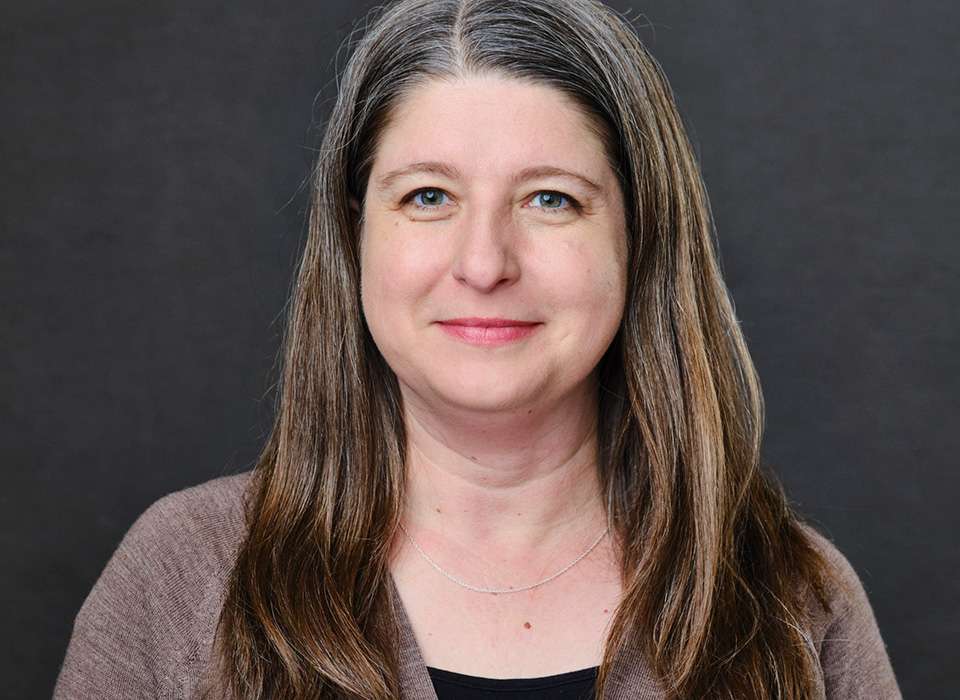
Sara B. Castro
Sara B. Castro was an assistant professor in the Department of History at the US Air Force Academy and a former US intelligence analyst. She is the author of Mission to Mao: US Intelligence and the Chinese Communists in World War II.
-
 Article Type
'The War in Europe is Over'
In her My Day column on May 9, 1945, the day after V-E Day was officially confirmed, Eleanor Roosevelt reflects on the cautious mood, the devastation in Europe, and the unfinished task of winning peace.
-
Article Type
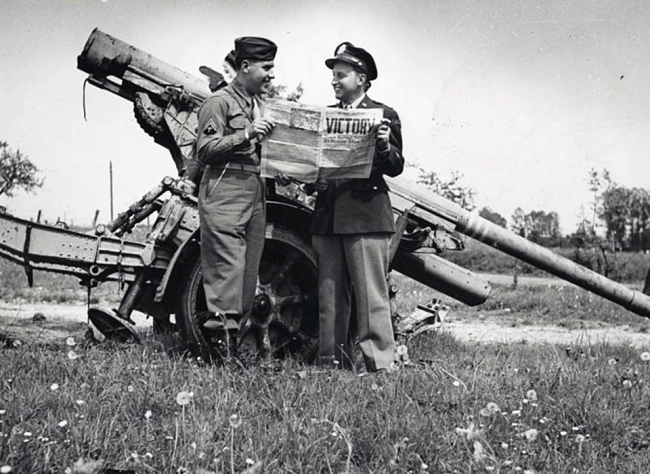
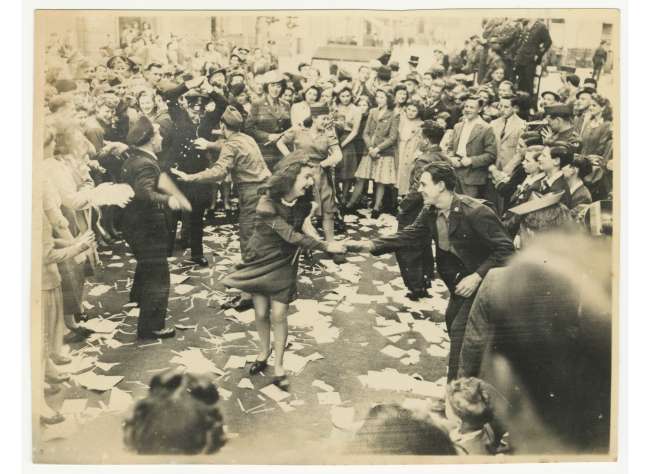
V-E Day in London
An Army Pictorial Service photographer captures the joy and relief of soldiers and civilians.
-
Part 2: The Death of FDR
April 1945: Western Allies and Soviets are closing-in on Nazi Germany from both sides. The deaths of President Franklin Delano Roosevelt and Adolf Hitler occur within weeks of each other. Harry S. Truman becomes president of the United States, as American generals and journalists witness the horrors of the concentration camps.
-
Article Type
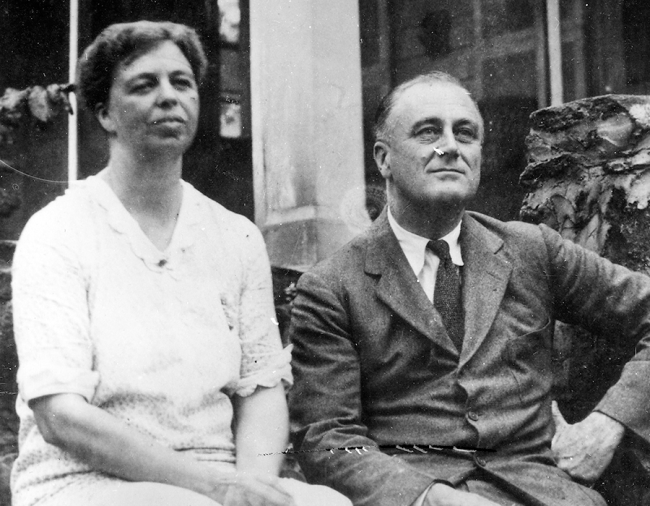
Eleanor Roosevelt’s My Day Column after FDR's Death
In her first My Day column after Franklin D. Roosevelt's death on April 12, 1945, Eleanor Roosevelt reflects on the sorrow following his passing, honors his commitment to justice, and urges the world to unite in building a lasting, just peace.
Special thanks to The Dale E. and Janice Davis Johnston Family for their generous support of this series.
Part 9: Secret Surrender in Germany
Sponsor Read
This podcast series by The National WWII Museum is made possible by the support of the Dale E and Janice Davis Johnston Family Foundation.
Archival
American forces on the west and south of the Bulge carved up elite units of the Wehrmacht, Montgomery's British on the north were immovable. Together these two mighty Allies crushed the final German bid for victory and move steadily to a meeting with their gallant Russian ally in the East. Berlin, citadel of Nazism, fell.
Bradley Hart
It's spring 1945, on the European front, Allied forces and the Soviets are closing in on Nazi Germany. The death of President Franklin Roosevelt and the suicide of Adolf Hitler occur within a matter of weeks. But beyond those headlines, in the "Secret WWII," William J. Donovan's OSS is about to launch an aggressive operation to encourage the surrender of one of Nazi Germany's largest remaining armies. It's called Operation Sunrise. Jeff Rogg joins us again. Jeff, what is Operation Sunrise?
Jeff Rogg
One of the interesting features of the Second World War, as a historian that I see, that isn't talked about as much with other wars, is this idea of historical determinism, that the war was over basically when it started. So for instance, the war was over when the Soviets won Stalingrad, or the war was over for Japan when the Americans won it midway. But we have to remember, millions of people still die in between those events and the end of the war. And so anything you can do to hasten the end saves countless lives. And that's where Sunrise comes in. Now, one of the advantages of intelligence is that it allows you to talk to your enemies under the table, when you meet secretly and strike deals, and the public doesn't know about it, but they're told that these people are really bad. And especially in the case of the Second World War where the Allies, the policy is unconditional surrender, then we find out that intelligence officers are meeting and offering conditional surrender. Well, that has all the makings of conspiracy theory and scandal. Now, it's even worse if the person you're meeting with isn't just like a German general or a Wehrmacht officer, but is an SS general, and like one of the worst of the worst, who is absolutely a war criminal, commits war crimes and gloats about them almost, is proud of them. And this is the problem with Operation Sunrise. So making deals with the devil was one of the hard areas of World War II, and we have to remember that in World War II, we're talking about making deals with the devil every single day. And so Karl Wolff is one of those devils. He's an SS general. He's responsible for executing the Holocaust in Italy, you know, helping ship off Jews. And he's proud of doing this. And he's appointed the head of the SS in Italy. Just like a lot of SS and Germans, you know, when the writing's on the wall, all of a sudden they're not as committed Nazis as they might've looked earlier in the war when the days were good. And so, you know, he probably wants to save his own skin. And one of the opportunities he has to do this is with a legendary figure in American intelligence history, Allen Dulles. At the time, Allen Dulles is part of the secret intelligence branch of the OSS. So he's a case officer, he's trying to recruit spies, and he's sort of living large in Bern, Switzerland, probably having extramarital affairs, you know, living a good life. One of Dulles's most important spies, and one of the most important German spies for the Allies during the Second World War was Fritz Kolbe. And he's a German diplomat who supplied German war plans and German weapons programs information to the Allies. There was also another German spy, Hans Bernd Gisevius, who was part of Operation Valkyrie, the plot kill Hitler, and he becomes an important witness in the Nuremberg Trials after the war. So Dulles is working with some really important German spies. But Sunrise, you know, it's kind of going off the reservation because you're just an OSS officer, who are you to negotiate a surrender, and especially a surrender of all the German forces in Italy? Well, Karl Wolff wants to save his own skin from prosecution probably and his role in the Holocaust, and so he negotiates not just the surrender of the SS in Italy, but of the entire German military. And the reason why this was particularly important is one of the things the Allies worried about is that Italy was gonna become, northern Italy, the last redoubt, the last holding point for the Germans, the committed Nazis. And when you think about the Second World War, the Americans, the Allies struggled in Italy. And as they got more into northern Italy, you know, the war really ground down there. So this is a hard place to fight. And you know, when you think about saving lives, just a couple weeks of not fighting on the Italian front can save countless lives.
Bradley Hart
So Allen Dulles negotiates this surrender of both the SS and the Wehrmacht, though there's some tension between Wolff and his Wehrmacht counterpart on this question. Does Dulles have permission from Washington to do this?
Jeff Rogg
Not that I know of. Well, that was the issue is it wasn't just only from Washington, but it was also the Americans are gonna have to hide this from the Soviets because the policy was unconditional surrender, that was agreed upon at the senior level of Allied leadership. You know, this is the principle level of FDR, Churchill, and Stalin, and you don't want to tell Stalin you're negotiating on the side. Stalin and the Soviets are already worried about what the Americans and Germans might be planning after the war. This is very late in the war. And remember by the spring of 1945, Americans and Soviets and the leadership are sort of looking across the lines at each other and wondering what the intentions are. And everyone sort of knows, you know, this was an alliance of convenience. You know, I said, deals with the devil are made every day. One of the deals that we made at the beginning of the war was to work with the Soviets. And so, you know, to hold out information of this magnitude from the Soviets that you're gonna do a conditional surrender of German troops. And then, you know, there's this sort of apocryphal, there's this story or plan that different American or British leaders wanted to use the Germans to fight the Soviets. You know, this is why I said, this is the stuff conspiracy theories are made of. And intelligence allows you to do this because you meet with your enemies, hatch secret plans, but in public, you're enemies and you're fighting.
Bradley Hart
Yeah, there is this sort of several-month-long period, I would say, but certainly the final weeks of the war where there are still stories emerging today of secret negotiations through neutral countries. You have sort of neutral diplomats showing up even in Berlin in the last weeks, trying to negotiate deals that I think even as historians, we don't quite understand how this might have looked, but they all seem premised, at least from my research, around this idea of remains the Germans fighting alongside the Allies against the Soviets, or something along those lines, in some ways it makes sense, but it's also kind of a bizarre idea that you would fight another world war after just fighting World War II.
Jeff Rogg
From a historical angle that was farfetched, from a historian's angle, because especially the Soviets, they're economically exhausted. They also faced... I mean, they mobilized millions of men, but you know, by the end of the war, and one of the interesting things is the OSS, in January, 1945, actually writes this report on the intentions and capabilities of the Soviets after the war, January, 1945, the war's not over. And they actually say this, they're like, they're economically exhausted. You know, it's an assessment. And what these OSS R&A, research and analysis branch, people are saying is, our money's on the Soviets trying to rebuild their economy, retrenching the military, just like the U.S. is gonna have to do because you can't afford to stay mobilized forever. It's bad for your economy, it's bad for your society. If Americans and Nazis were enemies during the war, then it's hard to explain the degree of animosity between the Nazis and the Soviets, between, you know, the communists and the fascists. And so, you know, the Germans themselves were sort of egging the Americans into, "Well, you know, you should do deals with us "because we actually share the same enemy, "and after the war... "You know, this whole World War II thing "between us was a fluke." The the real war is gonna be between the Soviets and the Americans after the war. And one of the figures that tries to do this is Heinrich Himmler. And so, you know, Karl Wolff, he's a German SS general.
Bradley Hart
This is the head of the SS.
Jeff Rogg
This is the head, this guy's, you know, architect of the Holocaust, and I mean, truly, truly evil. And so Himmler, also like Wolff, says, this isn't going well, but he makes the mistake of negotiating with certain Allies. And one of the shows of, you know, is there good faith among Nazis? One of his shows of good faith of, you know, fair dealing is to arrange the transfer of Nordic prisoners in concentration camps. And that's, you know, his way of showing, you know, "I'm gonna try and surrender," but Himmler makes this big mistake because what he tells the Allies is, "Well, Hitler's not gonna be around for long, "and I'm gonna be next in line. "I'm the heir apparent, "and when I take over, "don't worry, I'll surrender." However, Hitler's alive when Himmler's saying this, and word gets back to Hitler, and now Himmler's a wanted man, just because he's telling certain Allied leaders this, doesn't mean he is not wanted by others. So Himmler tries to escape, and he's actually caught by Soviets towards the end of the war, and he's handed over to the Brits and we can all see the picture, kind of like, we all hear about spy stories, he has a cyanide capsule and bites into it, you know, they try and examine his mouth, this was something that they did with POWs, high-ranking German POWs, and he had a cyanide capsule, and he, you know, commits suicide. So Himmler doesn't actually outlive the war, but there is a more notorious program, or rather, we call them today, just collectively they're known as ratlines, and that's Nazis who were able to escape. And not just were able to escape, but were able to escape with the help of powerful figures in different countries. The Vatican is implicated in ratlines, you know, bribery was part of this. And by the way, where did they get the money from? Well, from the victims of the Holocaust in a lot of cases. So they're bribing poor countries in Latin America, and Argentina's a big destination for them. And you know, there's a difference. Wolff is evil, and so is Himmler, a surrender of a couple hundred thousand Germans saves quite a few lives. Himmler's not able to hand over the Reich, but he can't really offer much. You know, a lot of these Nazis who are escaping them on the ratlines, they're just saving their own skin and trying to survive without ever being punished. There's no kind of penance involved. And, you know, some of these notorious figures, Josef Mengele, who was known for absolutely evil and brutal experiments in Auschwitz, you also had Adolf Eichmann. And you know, the Israelis, this is another famous intelligence operation, but the Israelis eventually find Eichmann and capture him, and they bring him back to Israel, and he's tried and executed for his crimes in the Holocaust. So, you know, the ratlines are a pretty dark era of history. And the way that the U.S. and U.S. intelligence gets caught up in this is, we did have a program, it was originally called Operation Overcast. And the idea was that... It was run by Army G-2, Army Intelligence. The Germans did have something important sort of to offer for the post-war world in terms of competition with the Soviets and just, you know, the future of technology. They were ahead, in a lot of ways, when it came to engineering and particularly rocket engineering. They developed the first rockets, the V-1 and the V-2, they developed the first jet engines. And so this is really important technology. And again, when you're looking at the future of the world, and you're saying, "We might have to fight the Soviet Union in the future, "military technology's important," you want to get German engineers out. And so Overcast is, later the program name changes, and this is the more famous one we know today, Paperclip, and it lasts into the late '50s, involves getting German scientists who are specifically recruited to the United States. There were over a couple thousand who were identified. And it only turns out that a couple hundred are really given jobs. But, you know, they helped create the space program. And again, the question is on shades of bad to evil, you know, where were these people? Some of 'em are card-carrying Nazis, other times people had no choice but to be a Nazi. Some of them probably knew that in the plants that they were overseeing, slave labor was used. It's possible that others knew more about the Holocaust even, you know, is this penance or not is a really hard determination. And, you know, looking back historically, I would still distinguish, we have to make these very hard moral distinctions, but I distinguish between Paperclip and then, like, ratlines to get people who have no value to humanity, like Mengele out. And so, you know, I'd argue that when we talk about intelligence, secrecy, and claims of national security, we never should have let that impede the pursuit of justice for, you know, crimes as monstrous as the Holocaust. But we also need to remember that not everyone who was brought out was, you know, as evil as another. You know, there's a difference between a Mengele and a rocket scientist who was forced to be a Nazi by circumstances.
Bradley Hart
You know, we get a lot of interest in the ratlines and sort of this period of the war. And as you rightly pointed out, you know, we often think of the end of the war as sort of winding down, right? You know, the violence we think subsides and sort of peters out to some extent, I think is the implicit assumption. Totally the opposite, right? The levels of violence are increasing towards the end of the war. Adolf Hitler's suicide takes place of course. Let's focus on a couple of points here. I mean, the first one being you mentioned Heinrich Himmler trying to betray Hitler in the last days of the war, present himself as the heir apparent. Hermann Goring tries to do the same thing actually, in a slightly more subtle way, but he actually ends up being cut out of the line of succession right at the end too.
Jeff Rogg
Right, well, this is where, you know, anyone who's seen "Game of Thrones" probably would look at the fall of the Third Reich the same way. At the end of the day, and this is what authoritarian leaders always have to be careful of, is, they call it the Sword of Damocles hanging over your head, you're choosing people who demonstrate a certain level of, you know, sadism and Machiavellianism, you can't really trust them. I don't know if there's such thing as a loyalist, a true loyalist in authoritarian state. You know, maybe with Stalin at the end of the war, but because his own people were terrified of him. But that's the whole point is, you know, do you scare them enough, and then what happens, you know, towards the end? And even with the death of Stalin, you see, it's the same kind of "Game of Thrones" things that happens quickly among the Soviet leadership-
Bradley Hart
Which is a very funny movie too, "The Death of Stalin."
Jeff Rogg
Which is a very funny movie, right, that's why use the term "The Death of Stalin" for those who have seen the movie. But yeah, you know, this is a challenging time because if you're the Allied leadership, who are you gonna make deals with? You know, these are the people responsible for starting probably the worst war in human history, and now they're falling over themselves to tell you not only that, you know, "Hey, we're willing to surrender," but "Oh, we're gonna help you fight your erstwhile ally, "the Soviets." And who are you gonna trust? And also, you know, like Himmler, who actually has the power to execute that. So, you know, when I, as a historian, and my history goes obviously further, before and after the Second World War, and like, looking at the Cold War, as I said, this is the very difficult part of history is who do you make deals with? You're willing to make deals with the devil, and at the same time you have to have a hard moral boundary. And unfortunately, you know, that depends on the individual and individuals varied in the Second World War. Looking at Allen Dulles, I don't know how much he agonized over the dealings that he had with someone like Wolff after the war, but I do think it was difficult for other Allied leaders to stomach.
Bradley Hart
Yeah, so what happens to Karl Wolff after the war? And does Dulles ever talk about this?
Jeff Rogg
Wolff is arrested briefly and detained, but you know, have you seen the end of "Inglorious Bastards?" I don't know if that's where Tarantino got the story from, by the way, because it sort of tracks. But Wolff is arrested, let free, but then later, the Germans actually rearrest Wolff and he's prosecuted for war crimes and, you know, he was a war criminal and he's imprisoned for a number of years, and then he's eventually let out. And this is, again, one of the sad parts of history, he was a war criminal, but after, you know, his release, he has his own weird, you know, celebrity. But again, I don't know if it's penance, but people still want to know the story. And so, you know, Wolff isn't imprisoned for the rest of his life like he deserved, and this is the hard part of making deals with people who probably deserved to be tried and executed for war crimes.
Bradley Hart
William Donovan and the OSS face an uncertain future at home, especially after the death of President Franklin Roosevelt on April 12th, 1945. As the advancing Allies encounter more evidence of German war crimes, including the existence of the concentration and death camp systems, William Donovan, a lawyer himself, identifies a new mission. OSS begins collecting evidence that will be used to prosecute leading Nazis well before the first trials have been scheduled. The evidence they gather, including thousands of documents and even archival film, will play a key role in what becomes the Nuremberg Trials. Nick Reynolds joins me again. So Nick, April 12th, 1945, Franklin Delano Roosevelt dies, Bill Donovan's patron, in a lot of ways, is no longer president. The new president, Harry Truman, has a not-so-great relationship with Bill Donovan, to say the least. How does Donovan react to the news of the death of FDR and what does he see as the future for OSS at this moment?
Nick Reynolds
Roosevelt dies on April 12th in the United States. The word doesn't get to Europe till the next day, April 13th. So when you wake up on April 13th, that's what you're confronted with. Donovan happens to be staying at the Ritz in Paris on that day, and he happens to have two visitors, they are William Casey and Allen Dulles, and they spend the day with Donovan, who basically sits on the edge of his bed, it's the only time that I'm aware of where the bias for action seems not to be present, where Donovan just seems to be lost and he sits on the edge of the bed mourning Roosevelt's death. There's a sidebar there between... So these are three powerful guys, right? And Donovan and Dulles are not entirely comfortable with each other. So, you know, it's not a shouting match, but kind of there's this tension between those two. And then there's tension between Dulles and Casey. And Dulles's attitude is, "Who is this whippersnapper? "You know, why is he even here?"
Bradley Hart
Well, we're talking about the founder of OSS and two future directors of the CIA,
Nick Reynolds
Right.
Bradley Hart
Sitting in the same room.
Nick Reynolds
Yeah, they're all in the same room.
Bradley Hart
This amazing moment.
Nick Reynolds
It's just a lot of powerful personalities who are there at the same time, and they don't all have quite the same agenda. But the most important thing I think for our purposes here is that, you know, this is a really different stage in the life of OSS. So OSS was created by an order signed by FDR, right? And now FDR is gone. The guy who signed that order is gone. And there's another guy who can sign a different order, and he is somebody who is not a natural fit with Donovan. The two are markedly different personalities. They have different backgrounds. So Donovan is the East Coast guy, he's the Wall Street lawyer, he's polished, he's cosmopolitan, and there's Truman, high school graduate, served in World War I, but as an artillery officer, he was not a flashy combat leader like Donovan. And he's a haberdasher, works in a haberdashery for a while. He's a hat maker, basically, or hat seller in Missouri. And then he gets into politics and becomes a U.S. senator. And one of the things he does as a U.S. senator during the war, is run the Truman Committee. And the Truman Committee is sort of looking into fraud, waste, and abuse. There's a story that I haven't been able to authenticate, but it's that they look at OSS and they call Donovan and they ask him, "Hey, you know, we gave you $5 million, "what'd you do with it?" And the answer, according to the story, is, "I'm sorry, Senator, but that's classified, "and I can't reveal that to you." A really aggravating answer for someone who's running a committee on fraud, waste and abuse. First, after the death of Roosevelt, there's a presumption that things aren't gonna go well for OSS, and certainly not as well. And there had already been some talk about what would happen after the war, right? OSS is a wartime creation, you know, as I say, created by a military order. So it's kind of like, you know, this is for the duration, this is for as long as we need you, And then, you know, you'll either go home or reorganize you, but it won't be the same. That discussion had already started before Roosevelt died. But now the ultimate authority is this other man who does not appear to be anywhere near as friendly to Donovan and OSS.
Bradley Hart
And OSS's days will indeed be numbered, but it has a number of important things that it's going to do before it is in fact shut down. And one of those is actually collecting evidence that will later on be used at the Nuremberg Trials. Tell us about sort of Donovan's role personally, but also OSS's role in collecting this evidence. And then we'll talk about Donovan at Nuremberg.
Nick Reynolds
The OSS started collecting information about German war crimes, apparently because it was concerned about what was happening to its agents who fell into Nazi hands. So it's not crystal clear exactly why they started doing this, but they did quite early on. And so the file kept getting bigger and bigger, right? And they're pretty much the only people in Washington who are doing this. When, as we get into the last stage of the war, the momentum for war crimes trials starts to build. And Robert Jackson is a Supreme Court Justice is taken off the bench and put in charge of this, and he's going around looking for information. So these days we would just open our computer tops and type in, you know, German war crimes and we'd probably find a list of German war crimes. Even, you know, if it were 1945 and we had the web, we could probably say, "Oh, you know, on this day "it appears they shot 30 people here and 100 people there, "and they had this camp and that camp." Anyway, Jackson doesn't have that source of information. And he hears, "Hey, there's these guys in OSS, "they've started this process." So that leads to contact between Donovan and Jackson. And Jackson essentially says, "Well, why don't we join forces?" And so Donovan's already got a job, right? So this is early 1945. OSS is still very much in existence, and Donovan basically takes a part-time job in addition to his full-time job working with Jackson. And I've seen the number of 172 OSS staffers turn to on collecting information about German war crimes.
Bradley Hart
What do they uncover?
Nick Reynolds
As time goes on, more and more, but, you know, initially, the information's kind of soft, you know, there'd be allegations, there'd be rumors, there would be eye witness testimony that you weren't entirely sure of. But as the Allied forces advance, they discovered German documents and the Germans did horrible things in World War II. The Nazis did horrible things in World War II, and they wrote it down for the most part, you know, "So killed x number of people today," you know, "Went to this village "and destroyed the Jewish ghetto," Shot prisoners in this French village." You know-
Bradley Hart
And they're proud of it in many cases too.
Nick Reynolds
And in many cases they're proud of it. Yeah. And/or they think this is what you do, right? This is how you run a war. So, there are some German officers who I've researched who otherwise are pretty good guys. But they think, you know, when you're fighting the French Resistance and you get some opposition from a village, you burn a village, shoot the priest, or you know, hang a couple of people, and that's what you do. As the Allied troops advance, we get more and more documentation, more and more eyewitnesses, even some films, right? The Nazis filmed this stuff, what were they thinking? And one of the interesting sort of sidebars is that closer to the end of the war, some of the people in the Nazi hierarchy go, "Hmm, we better destroy some of this stuff." I happen to know that in the case of the German Foreign Office archives, they told the archivist, they moved the files outta Berlin and they told the archivist, "Hey, destroy it, okay? "Get rid of it." And those were his children, he just couldn't do it. He just could not do it. And so they sat waiting in the cellar of a castle, and the Allied teams eventually found them. So there is overwhelming evidence against the Nazi regime by the middle of 1945.
Bradley Hart
So around this time when President Truman is sort of getting his feet on the ground, if you will, he is got some major decisions to make, one of them involving the future of OSS. And there's, of course, another major bureaucratic player in Washington D.C. who is not a big fan of OSS, he's going to have his voice particularly felt at this moment, and that is FBI Director J. Edgar Hoover. What's Hoover doing around the time of the presidential transition and what does he do to help facilitate OSS's end?
Nick Reynolds
I like to take the question of Hoover and Donovan a little further back. These two have not been enemies forever. They both worked in the Department of Justice in the 1920s, and they were sort of frenemies. It was kind of like, "Hmm, Hey, Bill, "what are you up to today?" "Oh, J. Edgar, nothing you need to worry about." And I was kind of intrigued to find, when I was doing my research for this book, intrigued to find that they used to go to each other's houses for dinner. Wow. You know, you do that with a frenemy, but you don't do that with an enemy. And as the war goes on, the friend part goes, and it's pretty much bureaucratic enemy. And the basic conflict is who's gonna run American intelligence after the war? As I say, there are these long memos about the future of intelligence in the United States that are circulating around Washington. And they're also leaks. And one big thing is, one theme that hits the press is will there be an American Gestapo after the war? You know, depending on the day and the article, that could refer to OSS or it could refer to J. Edgar. Truman picks up on this, and, you know, he does say a couple of times, and he appears to be talking about FBI, he says, "I don't want a Gestapo here." Hoover's pretty much shut out. And that kind of makes things that edgier, that makes the fault lines run deeper. And so you see, some of these guys write more memos, some of 'em try end runs, one of Hoover's end runs is to send a special agent who had grown up in Independence, Missouri. So Truman knew the family and this guy, so he asked, "You know, can I come see you, Mr. President?" And he says, "Sure, anything for Ma Jones' son." They have a nice chat. And then at the end, the kid says, "Oh, by the way, Mr. Hoover would." And Truman says, "You came here as a friend from Independence, Missouri, "why don't you leave as a friend "from Independence, Missouri? "Let's not go any further on that." So it's a tough time for J. Edgar.
Bradley Hart
The war in Europe is drawing to a close, but World War II is still raging on the other side of the globe. By mid 1944, Japan's war in China is not going well for the Allies. Tensions between a key American commander and his Chinese counterpart, Chiang Kai-shek, leader of the Chinese Nationalist Party are about to boil over. The result will be a secret and controversial American mission to make contact with a rival leader in China, Mao Zedong, leader of the Chinese Communist Party, or CCP. The CCP and the Nationalists have been fighting the occupying Japanese together, but they also have a history fighting against each other. And that's where our story picks up when a group of Americans crash land on an almost forgotten runway in rural China. Joining me is Sara B. Castro, author of "Mission to Mao: U.S. Intelligence and the Chinese Communists in World War II." Sara, thanks so much for being on the podcast.
Sara Castro
Happy to be here. It's my pleasure.
Bradley Hart
I think a lot of listeners would be surprised to know there are actually U.S. troops that are fighting in China, in addition to sort of the Lend-Lease aid that's being provided. Take us through, if you will, sort of how the U.S. gets involved here. And I'm thinking especially of the character Joe Stilwell, who becomes sort of this outsized, I think, figure who's still controversial, in many ways, to the present day, and he has this very distinctive nickname of Vinegar Joe. Who's Vinegar Joe and what happens here?
Sara Castro
Yeah, so Vinegar Joe had been in China for years. He had been the attache at the embassy, and he had been observing this increasing Japanese aggression that turns into an occupation. So he had been there observing that. He spoke Chinese. So he is not a person that saw a lot of combat after World War I, he wasn't operational. He was managing this U.S.-China military relationship, which is basically guarding business interests, throughout, you know, the '20s and '30s, that's what the U.S.-China relationship is about, protecting business interests. So that is very different than trying to fight a war there, right? So he gets put in charge of the U.S. effort after '41, and he actually serves as chief of staff to Chiang Kai-shek, which is a pretty unconventional arrangement if you think about the other allies and partnerships and how the U.S. managed those, it's pretty unconventional to have someone from the United States being the actual chief of staff to a foreign military. But that is how it works out. The two of them do not get along. And the Japanese invasion, the way that it proceeded, so it started out in Manchuria in the far north of China. They set up a puppet government there for a while, in hopes of just expanding it because everyone's thinking about how is China gonna be unified, right? So originally the hope is that Japan will just expand that, Manchuria. It doesn't work out that way. It looks like they're gonna have to occupy it. China's putting up a fight. And so in 1937, they have sort of a standoff over this bridge outside of Beijing, and it's very much the who shot who first, and it gets blown up into a bigger incident. And that gives the Japanese a reason to mount a full-scale invasion. And so gradually, these wealthy eastern cities in China just fall one by one and brutally. And there are many stories and narratives out there about the brutality of it, killing contests, decapitation, sexual assault. So it's a brutal occupation. Chiang Kai-shek's forces cannot effectively resist it. They try, they end up falling back and in the end, the whole government of China, Chiang Kai-shek's government, relocates to another part of China and they relocate to the southwest part of China, which is remote. It is remote, so the city they go to is called Chongqing. It's surrounded by mountains. It's in the far southwest of China. So basically, they have abandoned railroads, they have abandoned their major industrial areas. And so, you know, the economic reasons and the symbolism of just being able to hold onto such an important part of Asia is what's motivating the Japanese. The Allies actually, you know, come up with a strategy that is Europe first, right? They agree China is one of the Allies and its role is just to keep fighting Japan and keep them occupied there so that they aren't free to do something else. So Stilwell, he's an army officer. His vision of fighting the Japanese in China is land war. And he's employing tactics that are very much World War I-type of tactics, moving troops around, focus on heavy artillery. And for Japan, it's actually more of an air war, right? So air power and how to use it is a really, really important part of the war in the Pacific. And that is not Stilwell's comfort zone, and they keep getting pushed back, Japanese taking more turf. And this is the source of the tension between Chiang Kai-shek and Stilwell. And it's also the reason why Stilwell's people start to wonder, is there somebody else we could work with in China? Is there some other way that we could come at this? And that's where they get the idea of at least exploring what the communists are doing.
Bradley Hart
And so this becomes the aspect of the secret World War II that we're gonna be focusing on today is this, this very much not-in-the-headlines liaison between the U.S. government and the Chinese Communist Party. How does this start? You mentioned this idea of is there someone else we can talk to here type thing from Stilwell's perspective, but who makes this decision and what role does FDR himself play in making the call to liaise with, with Mao Zedong?
Sara Castro
So it's pretty well known now, 80 years after the fact, but at the time, this operation was a secret. And the reason for that is because the U.S. actually had a treaty with Chiang Kai-shek about how intelligence operations in China were gonna work in the '30s and '40s. And that treaty did not allow embedded intelligence officers from the U.S. with Chiang Kai-shek's primary domestic political opponents. That was not a part of that agreement. When Stilwell started being frustrated with Chiang Kai-shek, and they started to be interested in coordinating with the communists, they really had to operate in secret even from other Americans who were involved in the rest of the intelligence, you know, the cooperative intelligence agreements. So that's one of the reasons why it doesn't become publicly known.
Bradley Hart
And so this liaison between the Chinese Communist Party and the U.S. government, I guess we could say writ large, is called the Dixie Mission, which is kind of a play on American history actually. Take us through how they choose this name and who's involved in the Dixie Mission.
Sara Castro
Yeah, so I mentioned that they're trying to keep the mission on the down-low, even among themselves, right? There are people in the American offices in Chongqing that they don't trust. So they have a series of code words for talking about the people that are involved in this mission and the mission itself. And so they came up with the term Dixie. There's a bunch of different stories. Everyone kind of has a different story about how it gets this nickname, but the most common one is the idea that this is rebel territory, sort of like the South during the U.S. Civil War. And that's sort of amplified by this popular song at the time, which is called "Is It True What They Say about Dixie?" And so this is a song that was a really popular song, and it was on like the USO radio and things like this. So everyone's kind of humming this song and talking about Dixie and like, what's going on over there. And so the name just really sticks.
Bradley Hart
So let's talk about the Dixie Mission itself. You know, describe this to us. I mean, imagine getting off an aircraft as an American and you're meeting Mao Zedong. What goes on here? What are these interactions like?
Sara Castro
Yeah, so I think some of the things that surprised me about imagining this first encounter, it is very remote, this location, right? So they don't get there without airplanes. So they fly in and the Americans have never flown there before, and they hear that there's an airstrip and it was built by, you know, American Standard Oil in like the 1910s. And so they've heard through hearsay, there's landmarks, you can watch for these landmarks, and there's this runway and you're gonna see the runway and you land on it. And also they're under fire, right? They're flying through denied areas. They barely know where they're going. And so they have this pilot, it's a C-47 plane and there's like eight or nine of them on the plane, and the pilot is named Jack Champion. That's, like, really his name.
Bradley Hart
Great name.
Sara Castro
It's out of Central Casting kind of pilot name. And so, they see the runway, they see the landmarks, they're like, "Great, we're here." And they're on this runway, and there's like graves or something under the runway. There's like holes, hollow areas under the runway. And the landing gear of the plane gets stuck in this. And like the landing gear goes up through the fuselage or like, there's this big crash. Champion, like, has these huge cuts on his arm, the plane's damaged, that's their arrival, right? You know, it's like this big, tense moment. Americans meeting communists and they crashed land. And it's such a metaphor for how things go. So this is not what the Chinese communists were expecting. They had this whole color guard out to meet these people and they're having to do first aid. Luckily everyone was okay. It ended up changing the mission because they don't have a way to repair this plane, right? It takes a really long time to get repairs done, to get the second crew in. I think that this set a more human tone to that first contact, where I think it could have been really formal and stylized, but these conditions just meant that it couldn't be, right? You know, it just had to be one group of humans meeting another group of humans. And they end up having a big dinner party that night. And in fact, some of the only candid pictures I have of them together are from this dinner party that they have that first night 'cause there was an American journalist passing through that took these pictures. And so, you know, I don't think any of the Americans knew what to expect. I think they were very nervous, they were flying in there under fire. There could have been hostility and there wasn't, it was very cordial. In China, this is a favorable, historical memory. This is a time when the U.S. recognized China's existential crisis and took creative action even against their own political ideology to try to help. And so the Dixie Mission is fondly remembered there. So people in China are maybe more aware of this case than people in the U.S. are, but we don't know a lot about what Mao and Joe thought at the time.
Bradley Hart
So let's talk about the Dixie Mission's activities. So when does the Dixie Mission really arrive at Mao's headquarters, and what do they get up to?
Sara Castro
So the first plane gets there in July of 1944, and they have this huge laundry list of orders. It is vague and sprawling. The other thing that had to happen was that they had to send Americans who spoke Chinese because Chiang Kai-shek wanted to send translators who were also going to be minders and potential disruptors. And so Stilwell made the decision to send Americans who spoke Chinese. It is a true inter-agency mission, it's army led. But underneath the Army auspices, there are people from the OSS, the Office of Strategic Services, there are people from the state department, there are people from several different branches of the army. There is also a representative from the Office of Naval Intelligence, which is more surprising if you look at where Yan'an is on the map.
Bradley Hart
Nowhere near the water.
Sara Castro
No. You cannot really be farther from the water and still be in China pretty much. But that was all intended to, you know, have this interagency, everyone's doing a little bit, and their orders are to see how the communists are holding up against the Japan, to see what they're doing, how they're doing it, and also just to learn about who they are and what they're all about.
Bradley Hart
Let's talk about the end of the war in Asia and what sort of the status of the battlefield is because the war is not ever really won in China. It sort of comes to an end. And in fact, the Dixie Mission doesn't wrap up in the fall of '45. It continues for literally years afterwards. What happens with it?
Sara Castro
Some of what the Dixie Mission is doing, it's still doing sort of military intelligence collection. It's doing a little bit of contact with the CCP leaders. There's also a lot of records of, its transporting CCP leaders by air to diplomatic meetings, and it's bringing their spouses, it's bringing supplies to this rear area. And that goes on until the diplomatic mediation between the two sides really ends. And so by '47, they really are in a full-scale civil war, the Chinese Communists and the Chinese Nationalists and the U.S. efforts to kind of mediate that or to end violence in it have failed. And so at that point, March of '47, they literally pack everything up. There's only a couple of Americans left at Yan'an, and on their way out, the Chinese actually blow up the airstrip. So there's this sort of cinematic departure event where the last C-47 is taking off with all the supplies and the pilot looks back and the airstrip is sort of being blown up so the nationalists can't land on it, you know.
Bradley Hart
A dramatic end, you know, you, you almost have this scenario that's bookended by two cinematic moments, you know, a C-47 crashing basically on the runway, and then a C-47 taking off as a runway blows up at the end of the war. You know, this question of who lost China becomes a key part of the U.S. political discourse in the late 1940s, early 1950s, and has a major impact on the careers of the people who were involved with the Dixie Mission and in China generally. Let's start with Stilwell. What happens to him? He's relieved in the fall of '44, ends up in San Francisco of all places.
Sara Castro
So he doesn't really go back to China after the war. Many of the other people involved with the Dixie Mission, so Stilwell's sort of main subordinate, who's the colonel, who's in charge of the Dixie Mission, he is also removed in February '45. And so he gets sent to some post in Taiwan for a little while. You know, he considers it a career failure. And so those are two top Army officials that the Dixie Mission sort of really affects their career trajectory.
Bradley Hart
Not in great ways.
Sara Castro
Not in good ways, no, it doesn't make anyone's career, you know, people either escape it quietly or it becomes a career-ending kind of a thing. So the foreign service officers that were involved in setting up the mission and that were most involved in these kind of negotiations with Mao about what kind of aid the U.S. might provide and some kind of a partnership. Those people take the biggest heat in the late '40s and the early '50s, and they come under the greatest scrutiny of Joseph McCarthy. And for them, it really is a career-ending situation. Interestingly, the OSS people kind of escape that. So they do not come under the cloud of loyalty hearings and they kind of just get reabsorbed silently back into the population.
Bradley Hart
It's really the foundational moment in many ways of the China we know today. How does the Chinese Civil War play out in immediate post-war period?
Sara Castro
There's this active question of who's gonna lead China. And I think the Chinese are worried that it's not gonna be the Chinese, you know, they are worried that either the U.S. or Russia is gonna occupy China the way that Japan had. And so both the Nationalists and the Communists are powerfully motivated just to shake off foreigners out of China and to be the ones that unify China under a single vision. And so, you know, historians have written for years to try to figure out, did the Nationalists lose China? Did the Communist win China? What exactly happened here? Was Chiang Kai-shek as ineffective as Stilwell thought he was? I don't think he was. The papers that have come out from Chiang Kai-shek estate suggest that he was more capable than the Stilwell image of him, right? So that's a complicated story of who wins and why. One of the pieces of it that I think is often forgotten and really important is that the Communists got pushed to this area where they're very close to where the Japanese were. And so just from a sheer logistics perspective, the reasons why Japan is in China at all, it's this resource-extraction mission that's their primary interest. And they're doing that by moving into the wealthiest parts of China, the most capable industrial parts of China. And when they demobilize and leave, the Communists are closest to those areas. And so that is really important in sort of Mao's vision of protracted warfare, which is turning this gorilla militia army into a conventional army that when it fights Chiang Kai-shek, it wins. And that's ultimately what happens between 1945 and 1949.
Bradley Hart
Join us next time in our last episode of season two of the "Secret WWII." As the war ends in Europe and the Pacific, a different kind of conflict heats up in Washington, D.C., and William J. Donovan's OSS is about to become a casualty. But even as this wartime creation enters its final weeks of existence, OSS operatives are about to be tasked with a final set of missions, missions to save lives and to find a missing American hero. The race to find General Jonathan Wainwright is about to begin.