About the Episode
By the end of 1943, after years of debate over how to take the fight directly to Germany, the Allies agree that their fighting forces are finally ready to invade France. Roosevelt, Churchill, and Stalin decide on a place and time for a cross-channel invasion: Normandy, spring of 1944.
But the road to Operation Overlord is no easy journey for Supreme Allied Commander Dwight Eisenhower. He faces logistical challenges on a scale no one has ever encountered before and must bring a coalition of strong personalities and military factions together to work seamlessly as one. And Hitler is ready—even willing—to take on an Allied attack on France and tasks one of his most capable generals, Erwin Rommel, with shoring up defenses along the coast.
For the Allies, it’s a race against the clock, and the elements, to pull off one of the largest, most complicated operations in military history.
The National WWII Museum was proud to support HISTORY's work on this series through historical research, educational outreach, and archival footage, as well as on-site interviews with WWII veterans that will be featured as part of the network’s “Save Our History” initiative.
Related Content
Read More-
 Topic
TopicD-Day and the Normandy Campaign
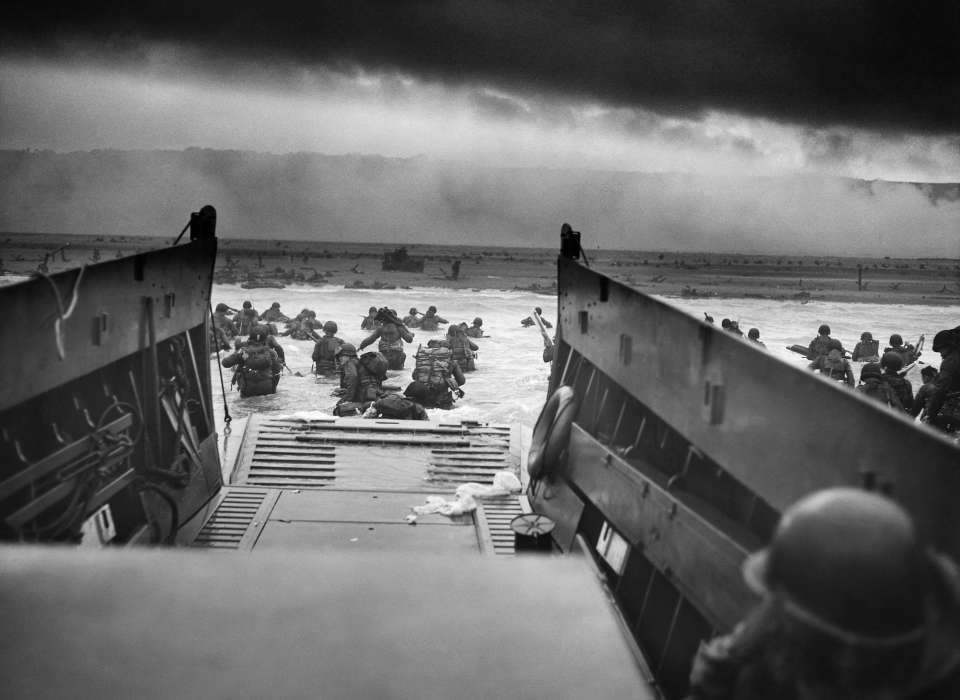
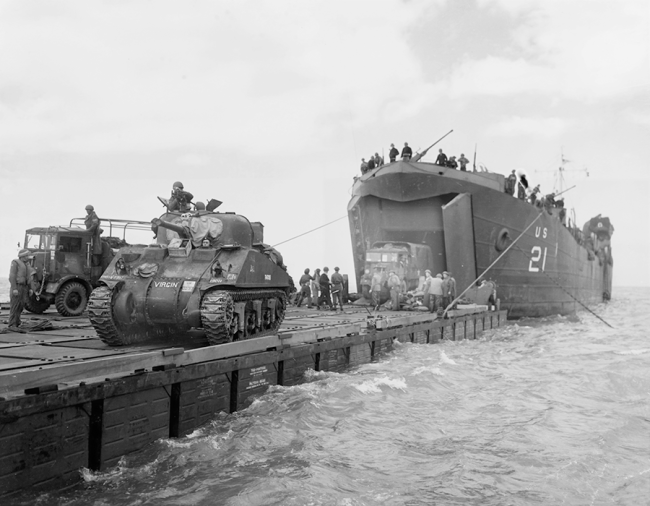
On June 6, 1944, the Allies launched the long-anticipated invasion of Normandy, France. Soldiers from the United States, United Kingdom, Canada, and other Allied nations faced Hitler's formidable Atlantic Wall as they landed on the beaches of Normandy.
-
Article Type
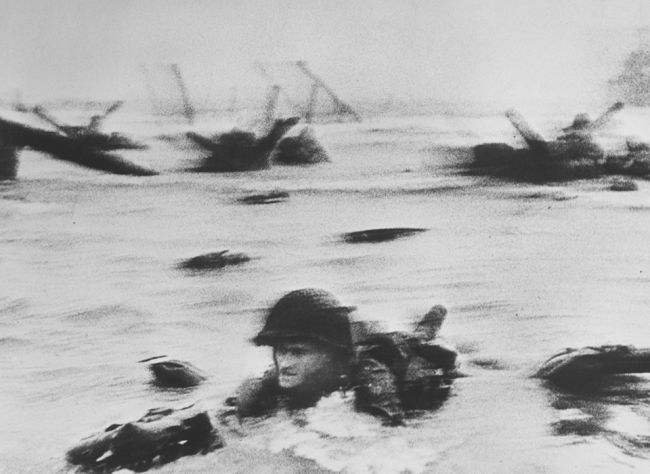
Robert Capa's Iconic Images from Omaha Beach
Early on the morning of June 6, 1944, photojournalist Robert Capa landed with American troops on Omaha Beach. Before the day was through, he had taken some of the most famous combat photographs of World War II.
-
Article Type
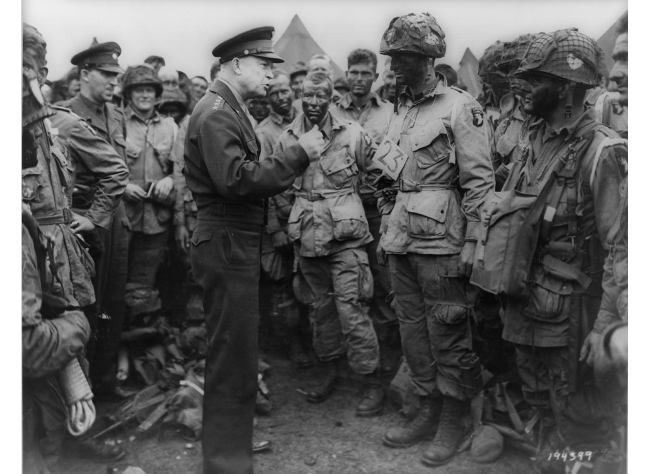
The Airborne Invasion of Normandy
On June 5, 13,400 American paratroopers boarded C-47 aircraft for the largest airborne operation in history. Problems began as they crossed into France.
-
Article Type
Why D-Day?
If the US and its western Allies wanted to win this war as rapidly as possible, they couldn’t sit around and wait: not for a naval blockade, or for strategic bombing to work, or for the Soviets.
Bloody Omaha
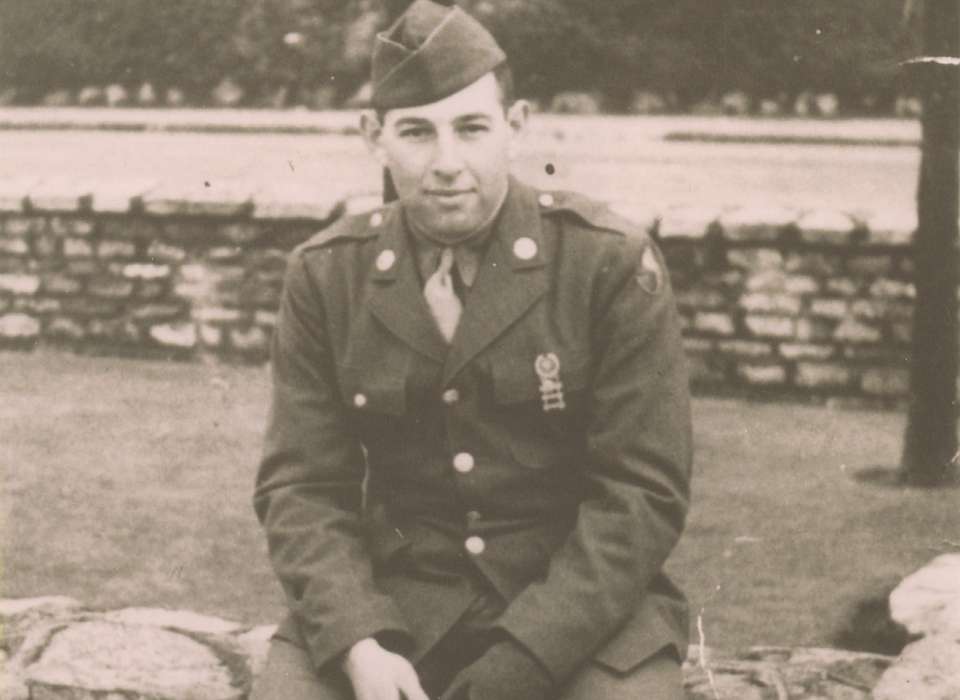
Private Harold “Hal” Baumgarten of Company B, 116th Regiment, 29th Infantry Division, landed on Omaha Beach on D-Day. Part of the first waves of the assault force, Baumgarten endured murderous enemy fire, was wounded five times in just 32 hours of fighting, and had to be evacuated by hospital ship.
EDUCATIONAL RESOURCES
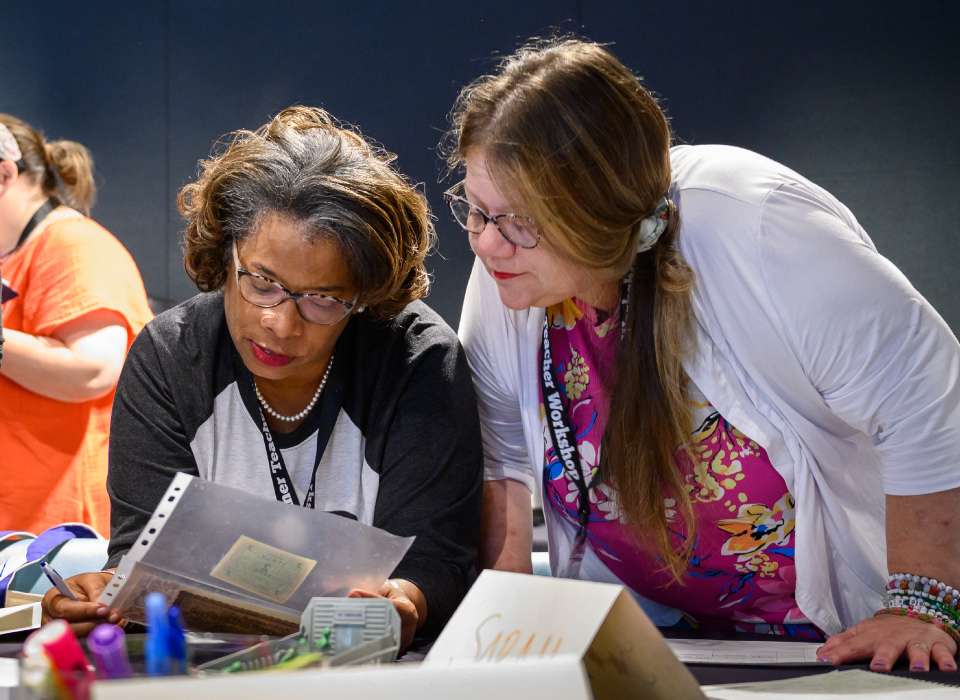
The National WWII Museum is a dynamic educational resource that engages and inspires students, teachers, and lifelong learners of all ages and backgrounds around the world. Explore distance-learning programs, curriculum guides, and classroom-ready digital content featuring Museum educators, primary source materials, and other resources.
19th International Conference on World War II
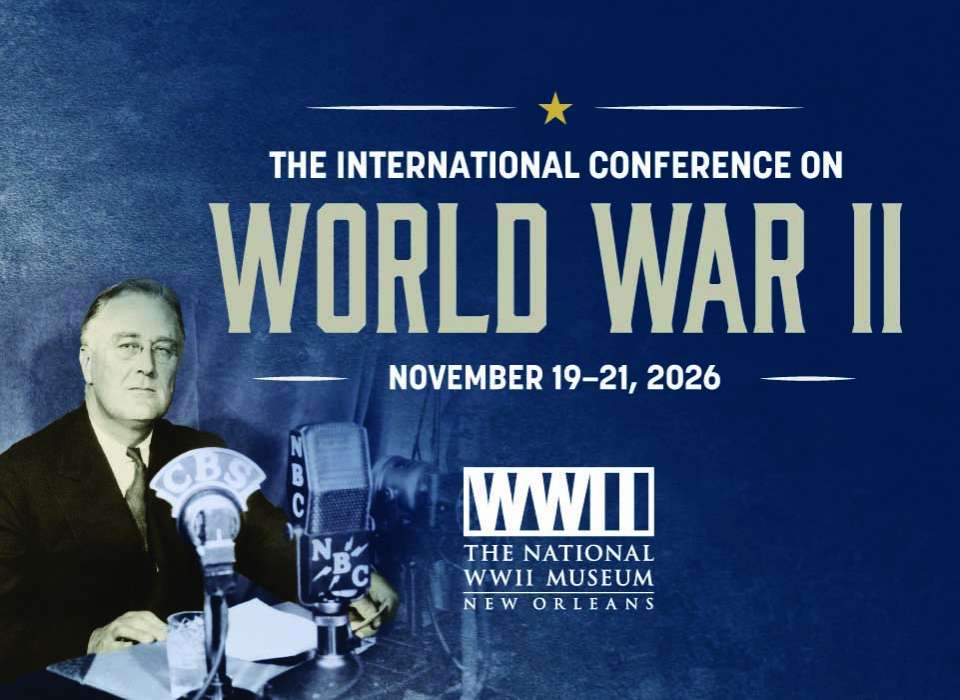
Join us for the premier adult educational event bringing together the best and brightest scholars, authors, historians, and witnesses to history from around the globe to discuss the war that changed the world.
SEE AMERICA'S NATIONAL WWII MUSEUM
Our institution explores the full story of the American experience in World War II through immersive exhibits, multimedia experiences, and an expansive collection of artifacts and personal accounts. Plan your visit to the top-rated attraction in New Orleans and be inspired by the stories of those who came together to secure Allied victory.