Article Type
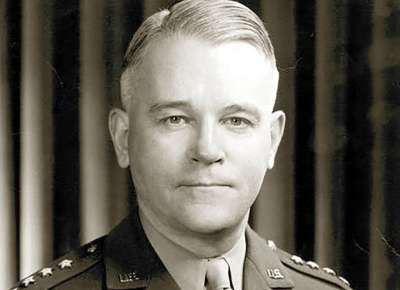
Louisiana Spotlight: "Lightning" Joe Collins
New Orleans born Major General Joe Collins led the US Army's VII Corps in Europe, battling German forces from Normandy to the Elbe River.
New Orleans born Major General Joe Collins led the US Army's VII Corps in Europe, battling German forces from Normandy to the Elbe River.
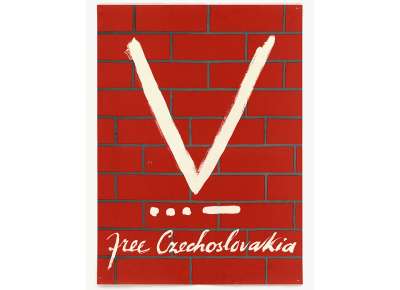
Seventy-five years ago, in final days of World War II in Europe, Czech citizens and members of its resistance launched a final assault against the Nazis. The Prague Uprising lasted for five days, and came to represent a symbol of Czech resistance in World War II.
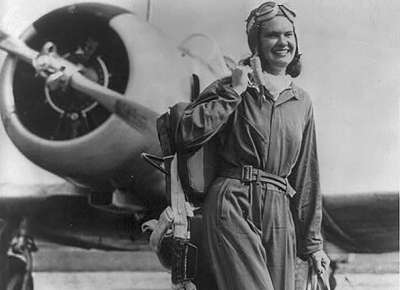
The experiences of Pilot Teresa James exemplify the dedicated service of WASP women in World War II.
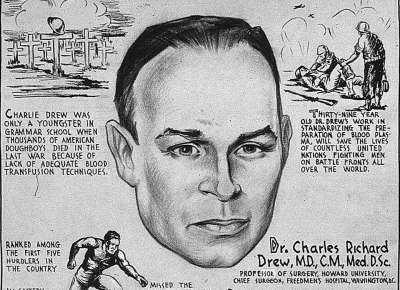
Charles Drew led the Blood for Britain program, and developed the National Blood Bank.
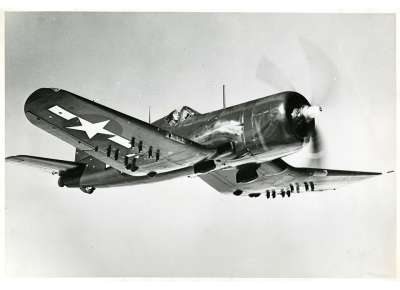
One of the best fighters of World War II, the F4U Corsair tormented the Japanese from Guadalcanal until the end of the war.
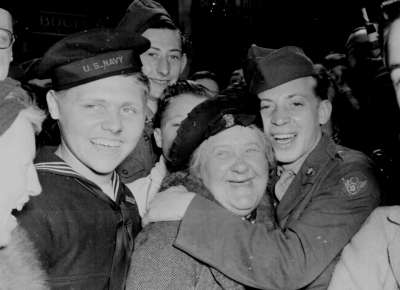
A few of our best past public programs that follow America's path to Victory in Europe.
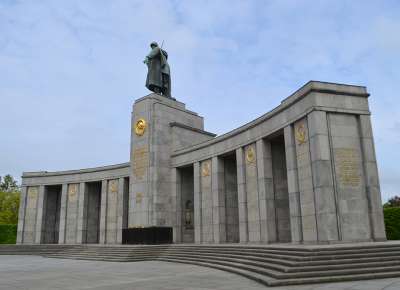
The Battle of Berlin Remembered: The Soviet War Memorial in the Tiergarten
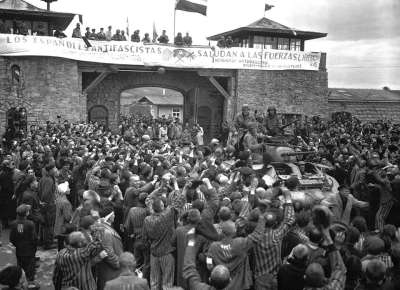
Mauthausen, one of the worst of the Nazi concentration camps, was liberated by the American 11th Armored Division on May 5, 1945.
Radio Broadcasts from the days leading up to V-E Day give a fascinating insight into thoughts, concerns, and celebrations as the war in Europe came to an end.
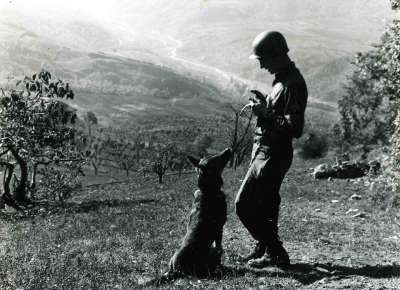
For generations the symbol of loyalty and faithfulness has been a dog. Here we feature some loyal dogs whose loyalty deserves attention.