Jazz in the Late 1940s: American Culture at Its Most Alluring
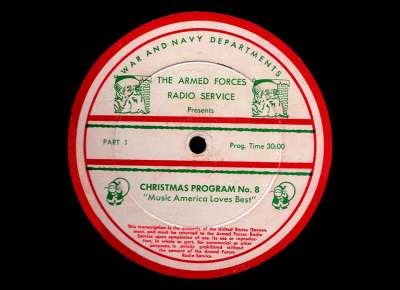
Jazz in the late 1940s moved away from big band jazz and morphed into a new expressive form that reflected social developments and postwar realities.
The 17th International Conference on World War II, a program of the Jenny Craig Institute for the Study of War and Democracy at The National WWII Museum, was presented by the Pritzker Military Foundation on behalf of Pritzker Military Museum & Library, with additional support from the Gen. Raymond E. Mason Jr. Distinguished Lecture Series on World War II Endowment Fund and the George P. Shultz Forum on World Affairs.
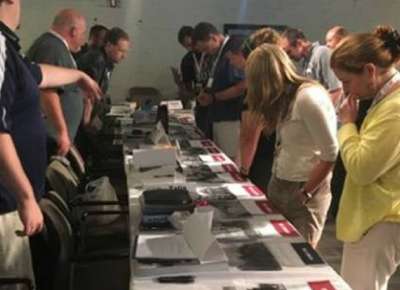
"Day Four has been a time of rich discourse for us as we considered ways to approach the 'dark' aspects of World War II."
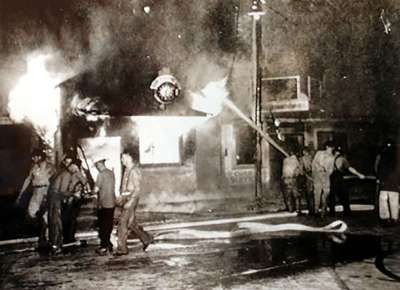
During World War II, Juneteenth celebrations were still mostly concentrated in Texas and surrounding states. El Paso and Beaumont, Texas provide striking insights into Juneteenth and the struggle for equality that Black Americans faced during the war.
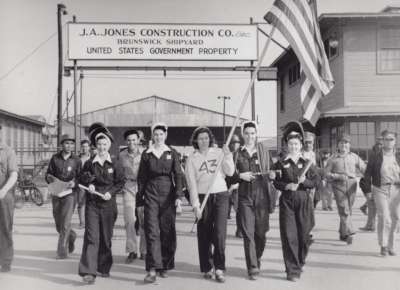
When the Allies desperately needed cargo ships, women bravely stepped up to supply them by working at shipyards across the country, including in Brunswick, Georgia.
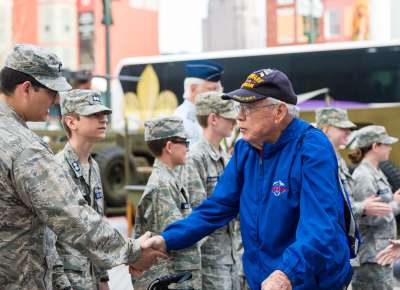
On Veterans Day, the Museum will offer free admission to veterans of all conflicts, along with an engaging slate of commemorative programming.
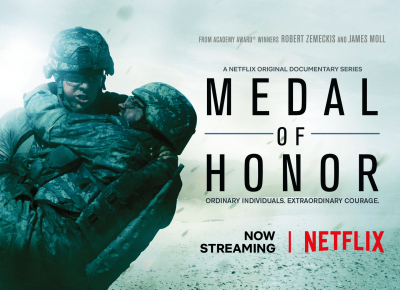
The Netflix documentary series Medal of Honor salutes eight recipients of the US military's highest decoration for valor. Join us for a free screening of the episode honoring WWII hero Edward Carter.
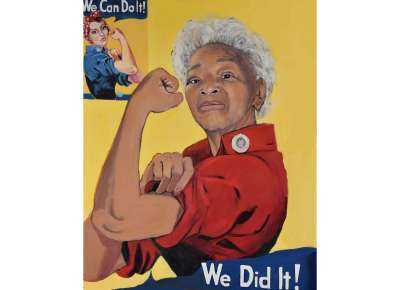
Presented by the Institute for the Study of War and Democracy with generous support from the Strake Foundation, Sandra Bolzenius will present her new book Glory in Their Spirit: How Four Black Women Took on the Army during World War II.