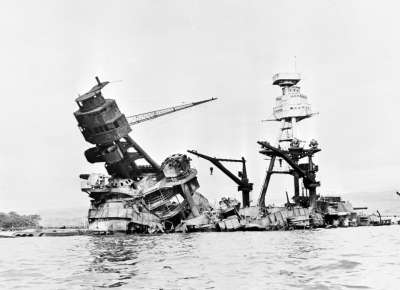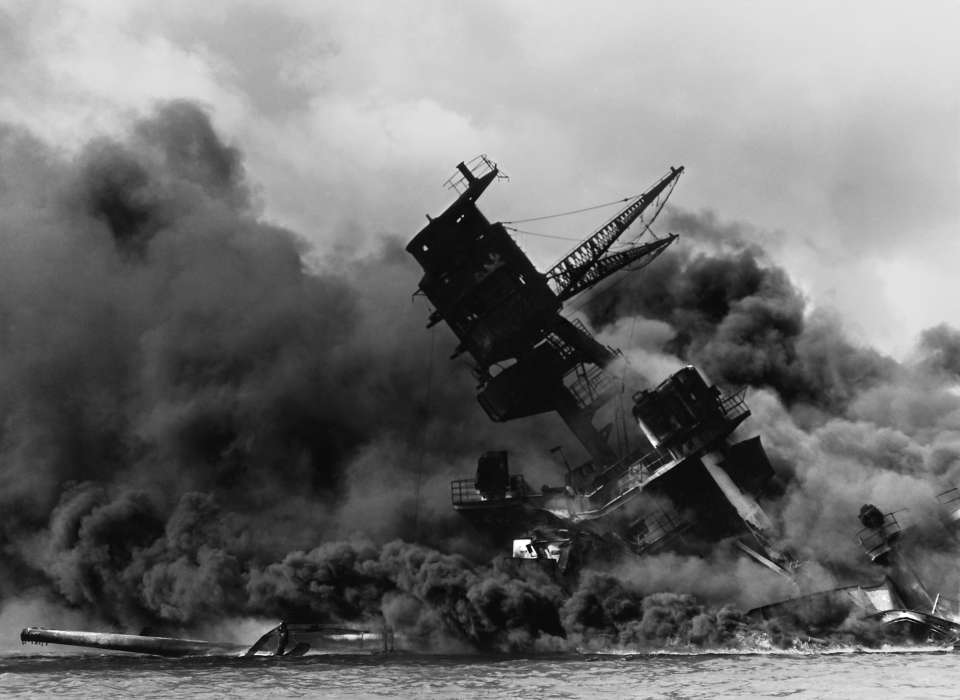
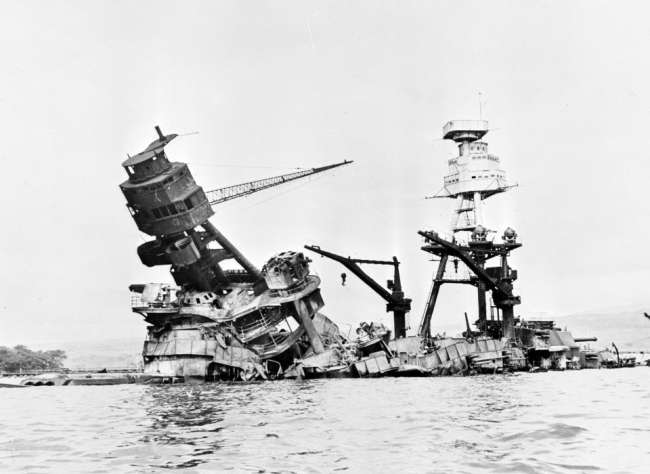
Top Photo: The USS Arizona burns after the Pearl Harbor attack. Courtesy of the National Archives and Records Administration
The surprise Japanese attack on Pearl Harbor on December 7, 1941, led to the entry of the United States in World War II.
Just before 8:00 a.m. local time that Sunday morning, planes launched from Imperial Japanese Navy aircraft carriers attacked the US Pacific Fleet, killing more than 2,400 Americans and severely damaging naval and air forces in the US territory of Hawaii. The following day, President Franklin D. Roosevelt addressed Congress, describing December 7 as “a date which will live in infamy,” and asked for an official declaration of war against the Japanese Empire.
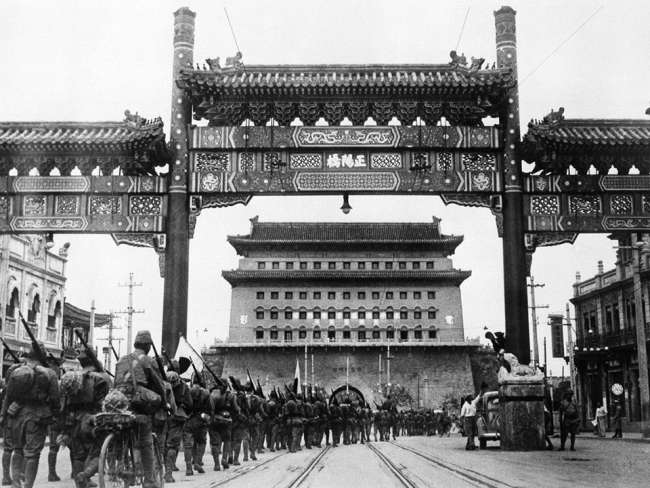
The attack followed years of escalating tensions between the United States and Japan over Japanese expansion in East Asia and the Pacific. Japan’s full-scale war against China, which began in 1937, and its subsequent occupation of French Indochina intensified American opposition. In July 1941, the Roosevelt administration froze Japanese assets and imposed restrictions that effectively cut off Japan’s access to American oil and steel. Japanese leaders chose to pursue war rather than abandon their expansionist objectives, planning attacks against Dutch, British, and American possessions across the Pacific and Southeast Asia.
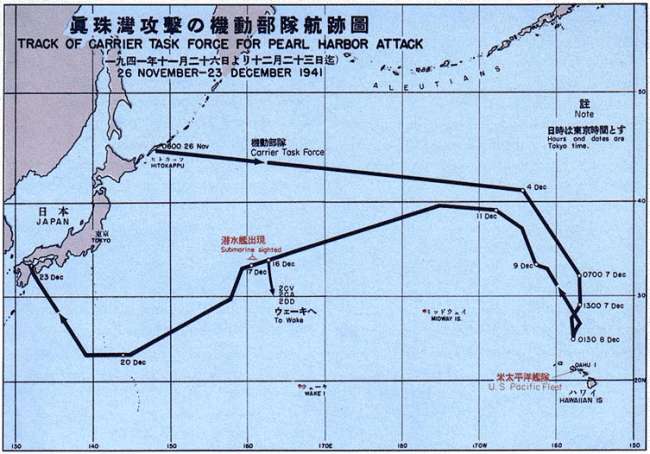
Admiral Isoroku Yamamoto, commander-in-chief of Japan’s Combined Fleet, developed the plan to attack Pearl Harbor. He sought to cripple American naval power early in the conflict, giving Japan time to secure strategic resources and consolidate its territorial gains. The operation centered on the Kidō Butai, Japan’s carrier striking force, commanded by Vice Admiral Chūichi Nagumo. On November 26, 1941, the force departed northern Japan with six aircraft carriers: Akagi, Kaga, Sōryū, Hiryū, Shōkaku, and Zuikaku. Sailing across the North Pacific under strict radio silence, the force approached Hawaii undetected. In Washington, D.C., negotiations between the United States and Imperial Japan had broken down, but Japanese diplomats had not yet formally severed relations with America.
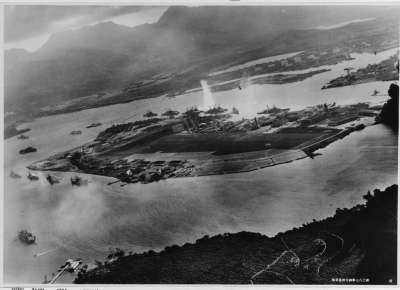
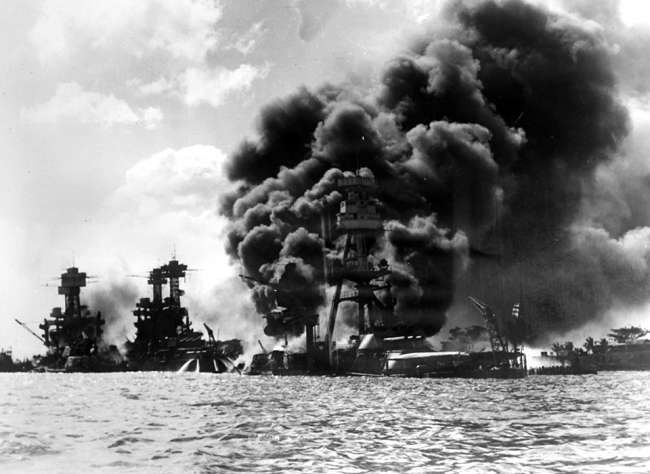
On the morning of December 7, the six carriers launched two waves of aircraft against US military installations on Oahu. The first wave struck at approximately 7:55 a.m., followed by a second wave beginning around 8:45 a.m. Japanese aircraft attacked battleships anchored in Pearl Harbor and targeted American aircraft on the ground to prevent a counterattack. Eight battleships were damaged, with several sinking or being forced aground, and 188 American aircraft were destroyed. The attack also killed military personnel and civilians across the island.
Despite the destruction, Japan failed to eliminate American naval power in the Pacific. None of the US Navy’s three Pacific Fleet aircraft carriers were at Pearl Harbor during the attack. The Japanese also left the base’s major fuel storage facilities, repair yards, and submarine facilities intact. These resources helped sustain subsequent American naval operations. Most of the damaged American battleships were eventually salvaged, repaired, and returned to service.
On December 8, Congress declared war on Japan. Germany and Italy declared war on the United States on December 11, prompting American declarations of war against both countries. The attack transformed American participation in World War II, bringing the United States into direct conflict with the Axis powers in both the Pacific and Europe.
The WWII Origin of “Praise the Lord and Pass the Ammunition”
Upon its release, “Praise the Lord and Pass the Ammunition” quickly became very popular with wartime Americans.
Must Reads
-
 Article Type
US Intelligence Failures at Pearl Harbor
Japan’s attack on Pearl Harbor was a shock to the Americans, but it was preceded by serious intelligence failures
-
Article Type
The Road to Pearl Harbor: The Long Fuse
Major events are often rooted deeply in the past—the “long fuse” that leads to explosions.
-
Article Type
Project Seeking to Identify USS Arizona Unknowns Reaches Key DNA Milestone
On April 23, 2026, the DPAA announced that it had met the 60 percent threshold for the USS Arizona Unknown Identification Project.
-
Article Type
The Road to Pearl Harbor: The Short Fuse
The attack on Pearl Harbor was decades in the making, but still came as a shock.
From the Collection
-
Article Type
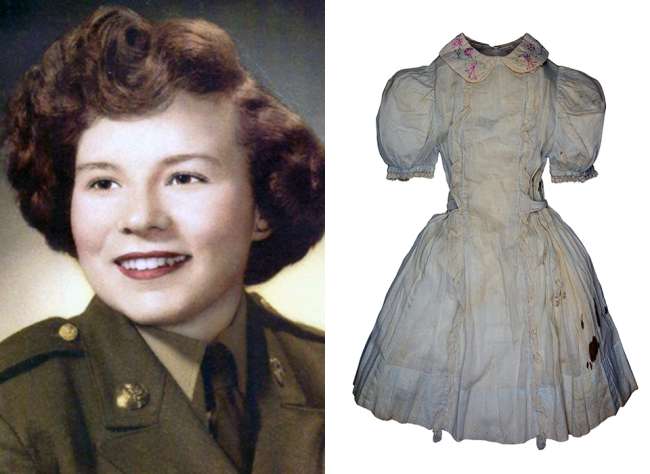
Pearl Harbor Dress Tells the Story of a Child Witness to the Attack
This unique artifact tells a one-of-a-kind story from the day that irrevocably changed the world.
-
Article Type
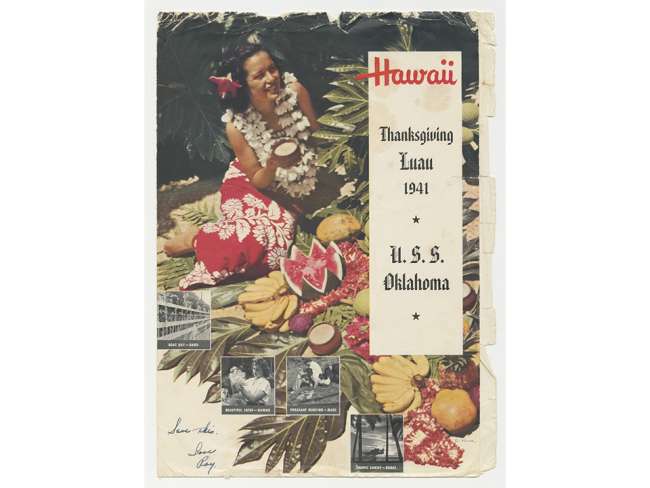
Tropically Delicious: Holidays on Oahu
Hawaii was paradise, but military cooks often supplied the old favorites for soldiers and sailors who were stationed far from home.
-
Article Type
Routine in Paradise: The US Navy in Pearl Harbor
Known as a tropical paradise today, for many sailors before December 7, 1941, it was just another port of call during their naval service.
-
Article Type
Shirley Temple in Hawaii
Star Shirley Temple had a special relationship with the Hawaiian Islands. In the prewar years, she made several tours of Hawaii, delighting local and military audiences.
-
Article Type
Sibling Witnesses to the Attack on Pearl Harbor
Siblings Lydia Grant and Thomas Gillette witnessed firsthand the Japanese attack on Pearl Harbor.
Featured Photos
-
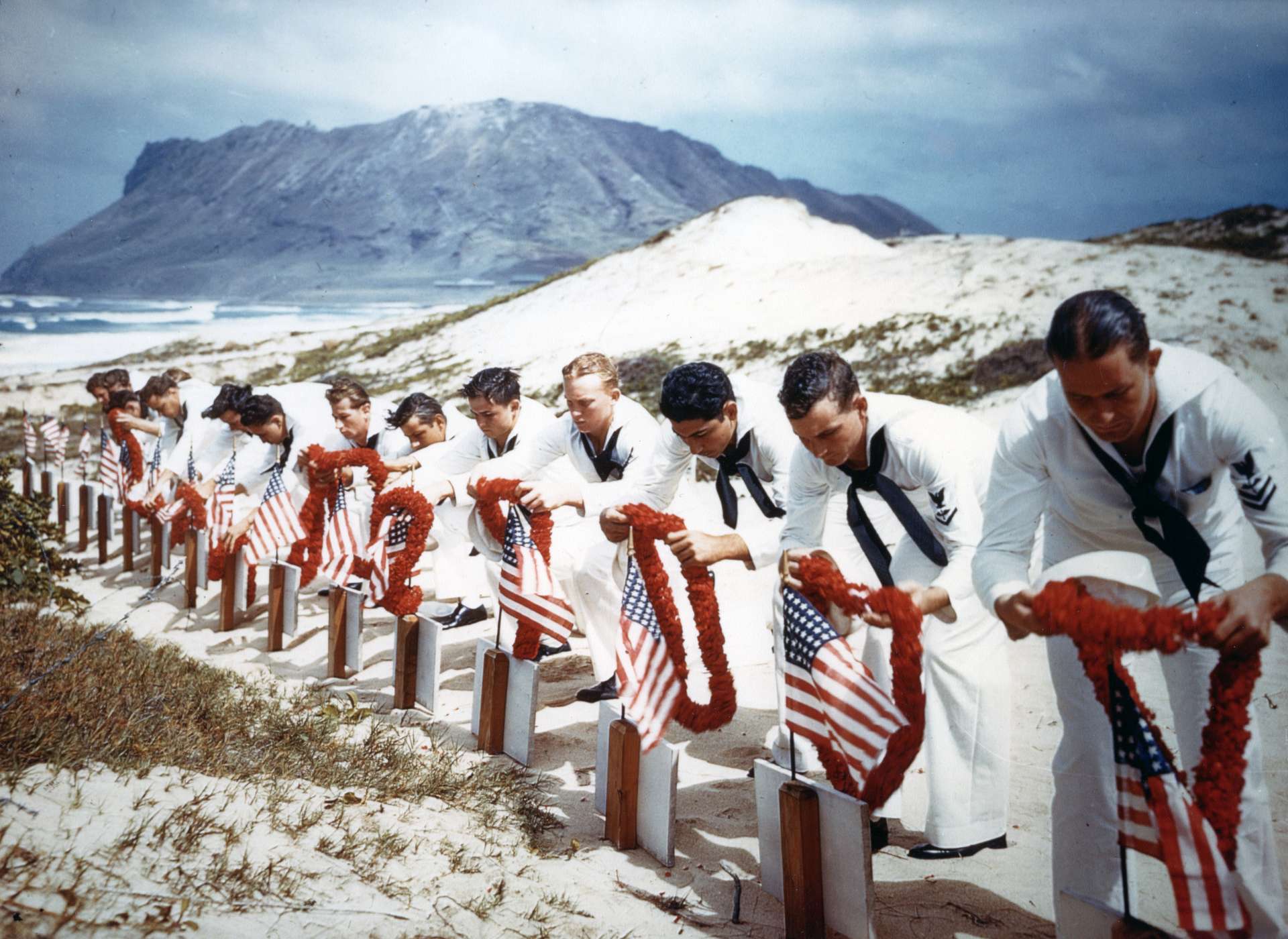
In spring 1942, sailors honor men killed during the Japanese attack on Naval Air Station Kaneohe, Oahu, by laying leis on their graves in Hawaiian tradition. Courtesy of the US Naval History and Heritage Command
-
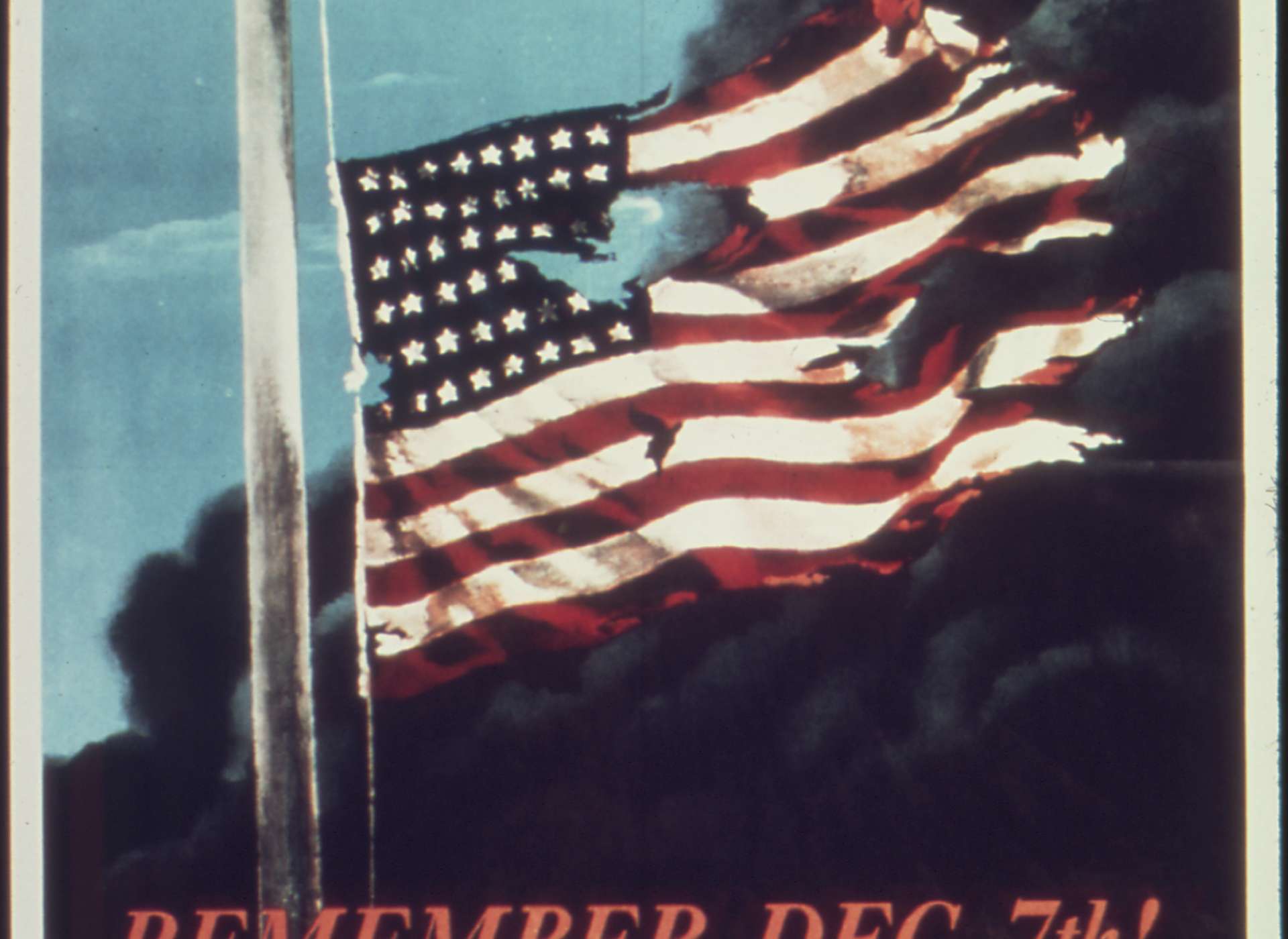
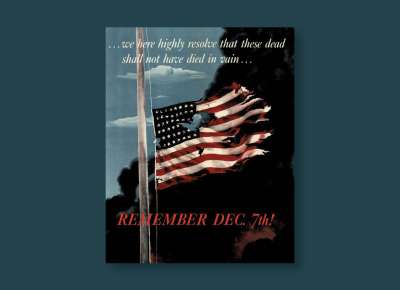
Following the Pearl Harbor attack, the Office of War Information produced many posters calling on the American public to remember and to avenge those killed. Courtesy of the National Archives and Records Administration
-
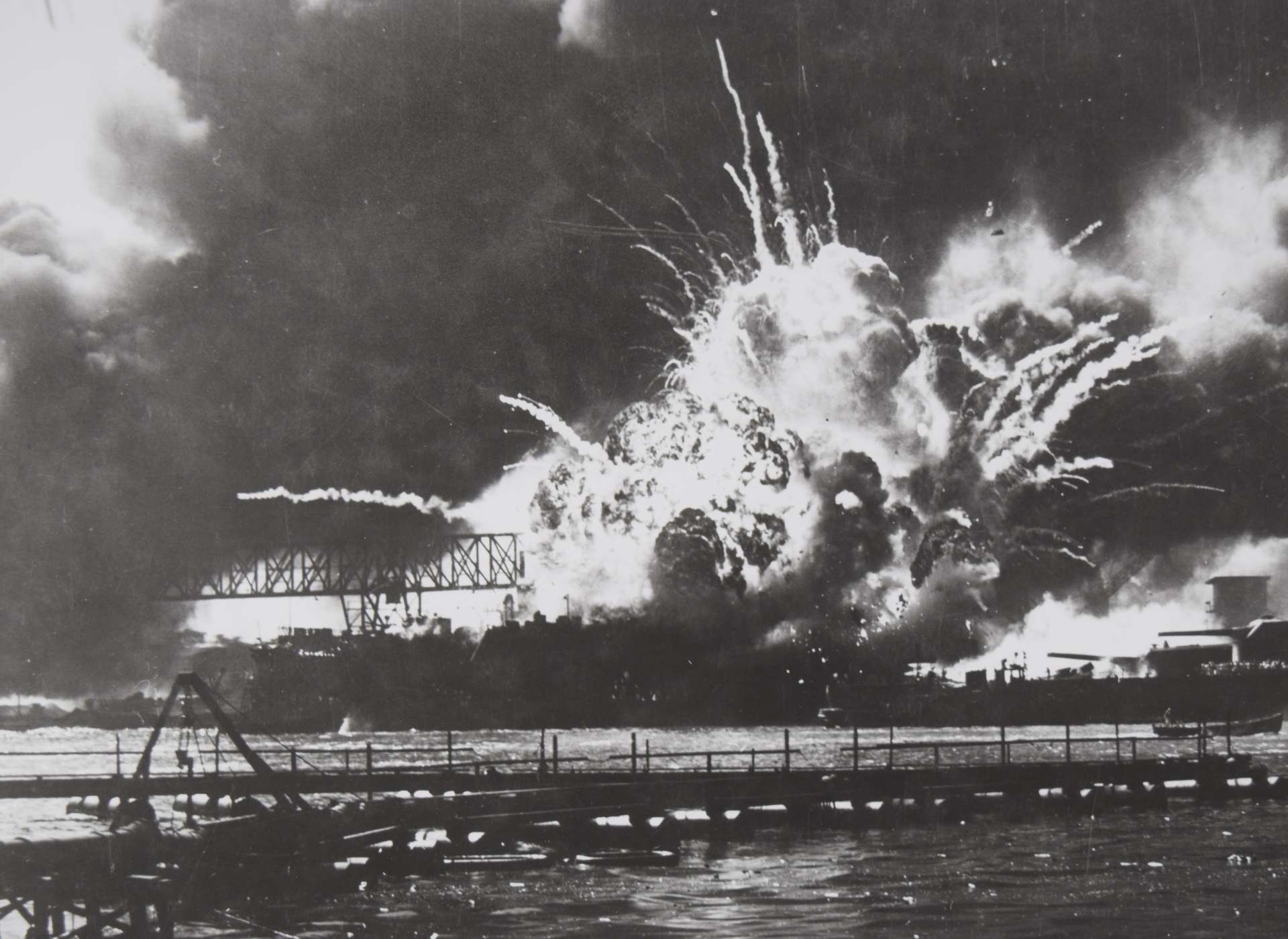
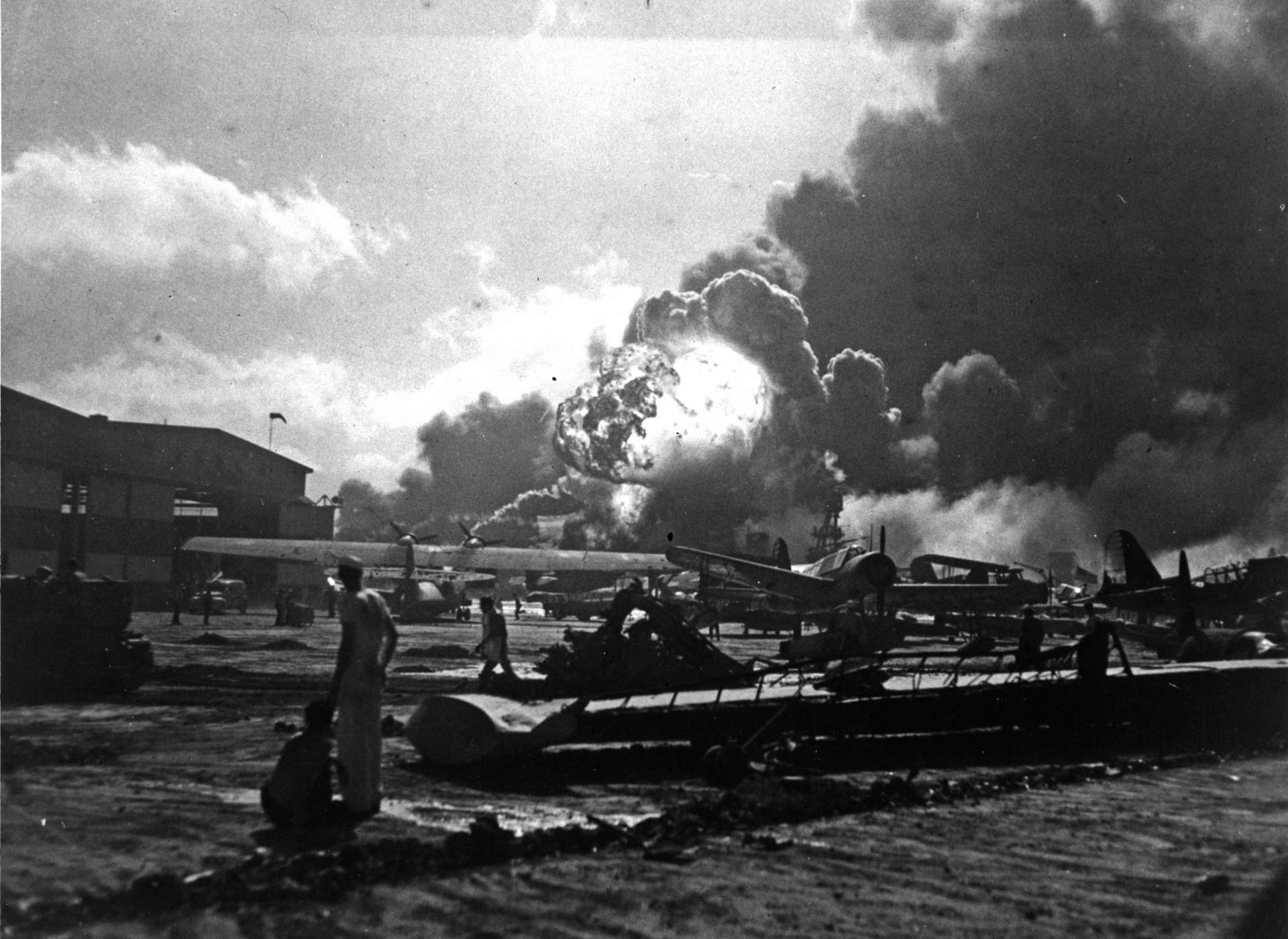
The USS Shaw explodes during the attack on December 7, 1941. Courtesy of the Library of Congress
-
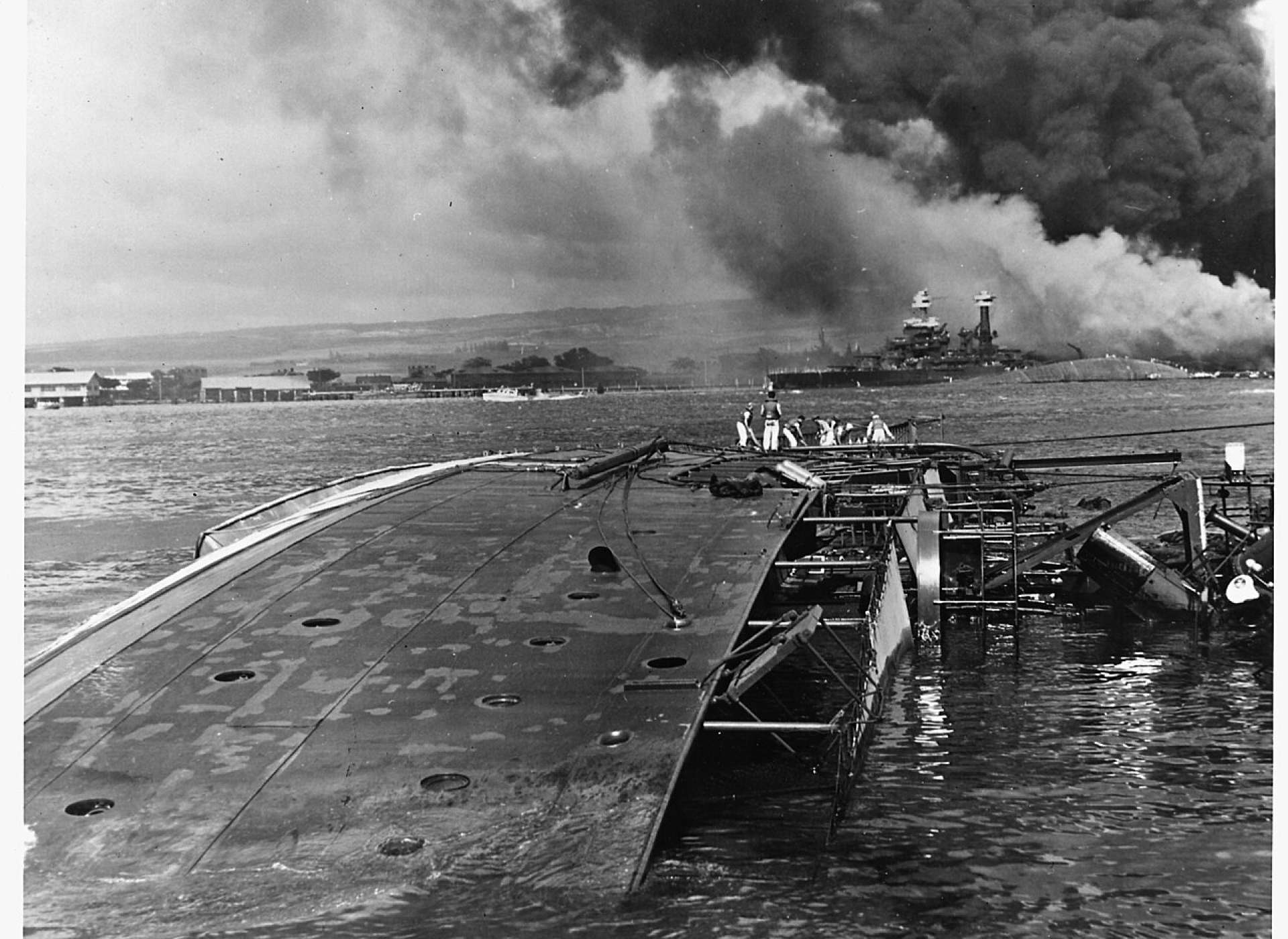
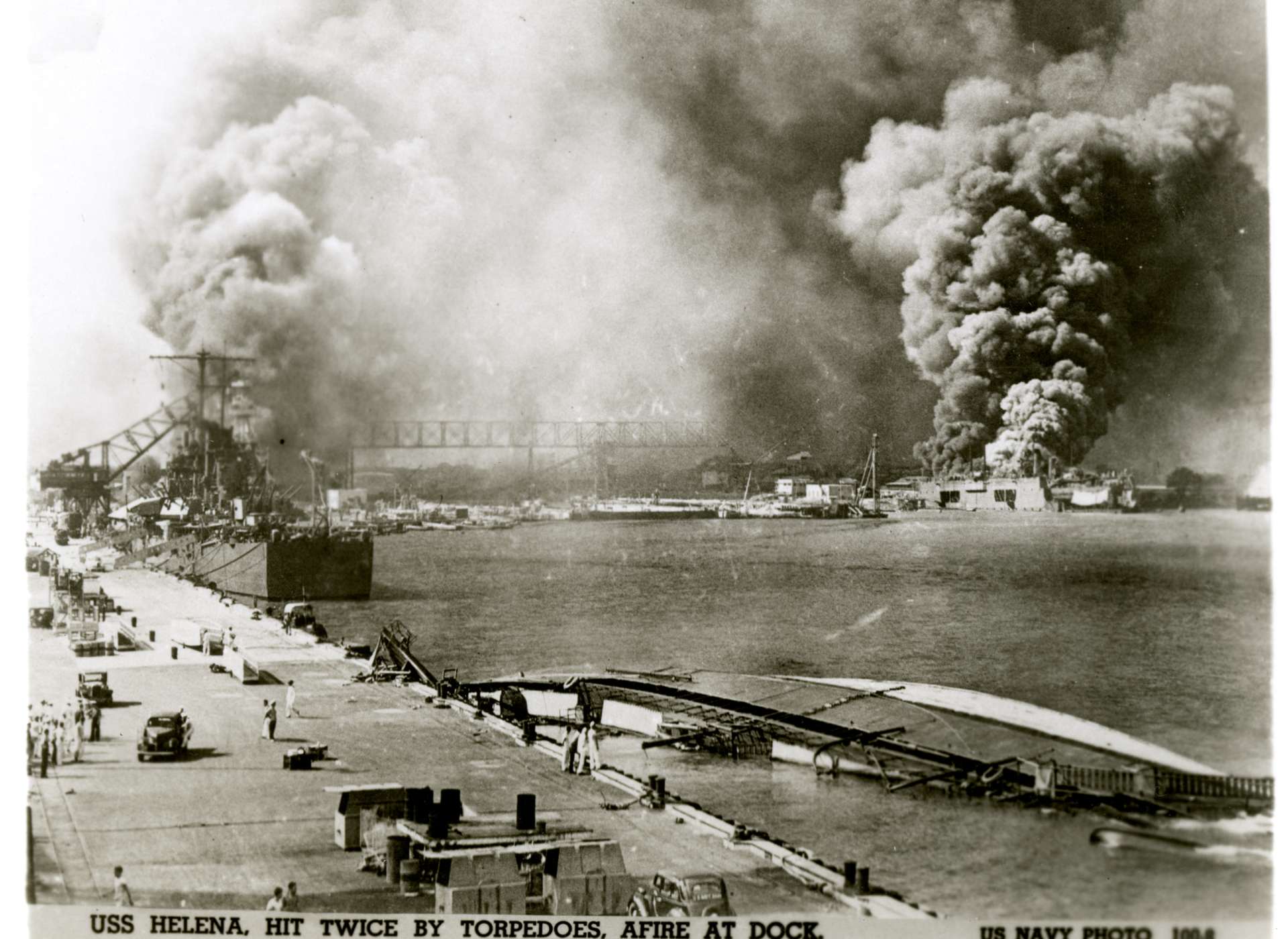
After an attack by Japanese aircraft, the USS Oglala lies capsized in Pearl Harbor. Courtesy of the National Archives and Records Administration
-
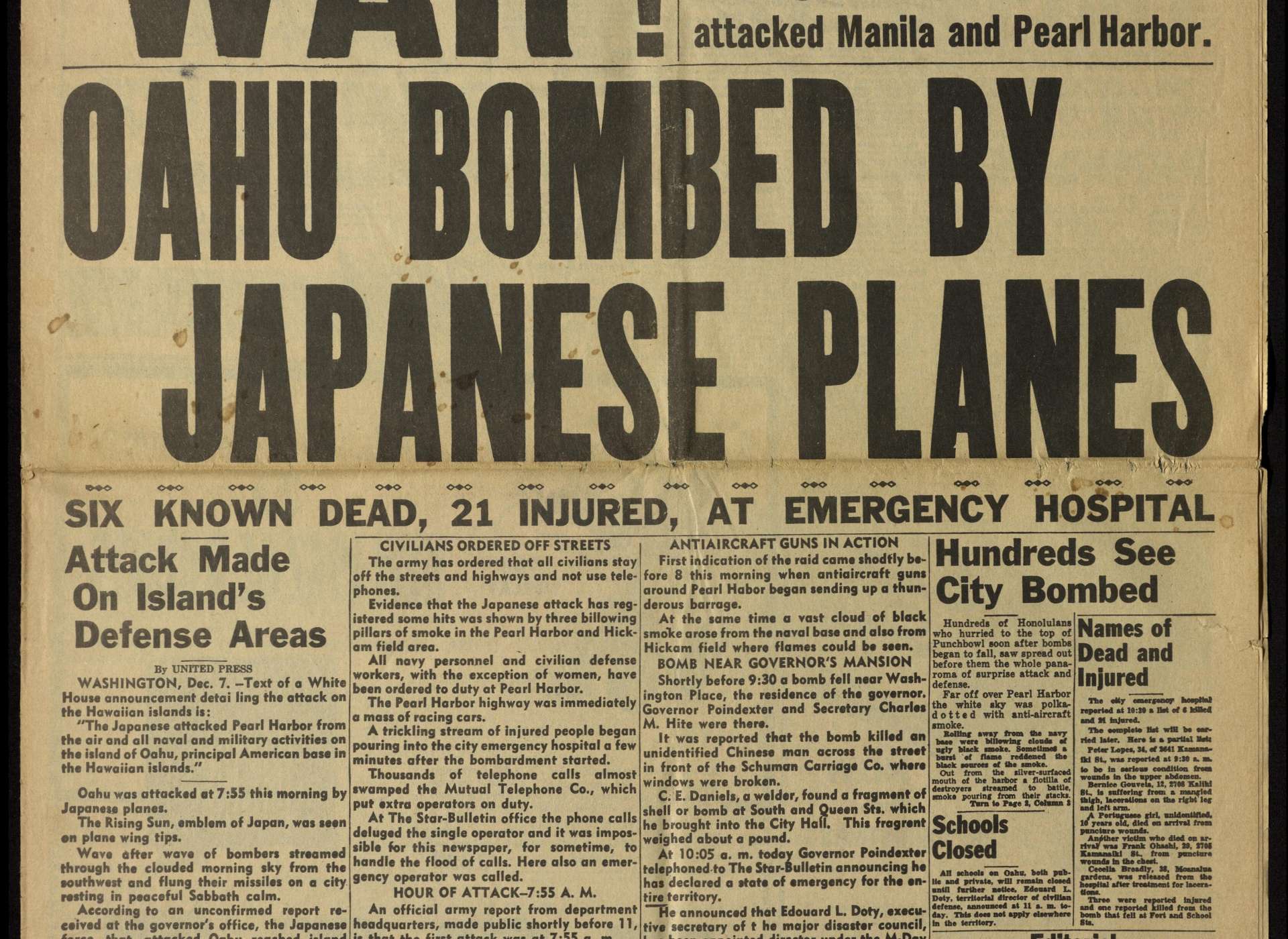
Many learned details of the attack through newspaper headlines, like this one from the Honolulu-Star Bulletin. Gift of Mr. and Mrs. William J. Brechtel, 2008.442.001
-
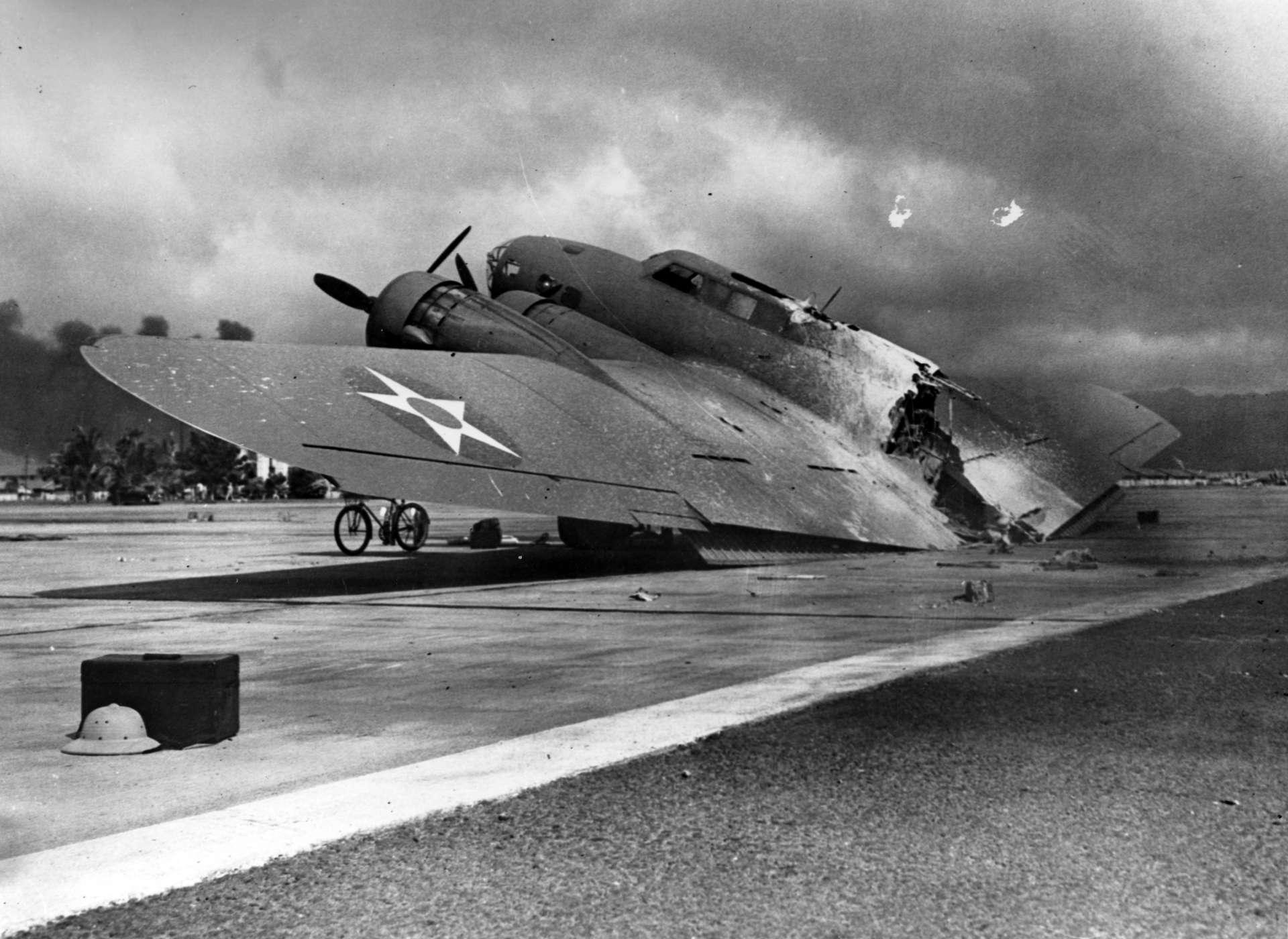
Flying into Hickam Air Field on December 7, this B-17 was hit by a strafing attack and burned in half on the runway. Courtesy of the US Naval History and Heritage Command
-
Among the destruction of the attack, sailors at Ford Island Naval Air Station watch as the USS Shaw explodes in the distance. Courtesy of the US Naval History and Heritage Command
-
With the USS Helena and the capsized USS Oglala in the foreground, smoke billows from multiple warships on December 7, 1941. Gift of Julian Dean, 2010.523.029
-
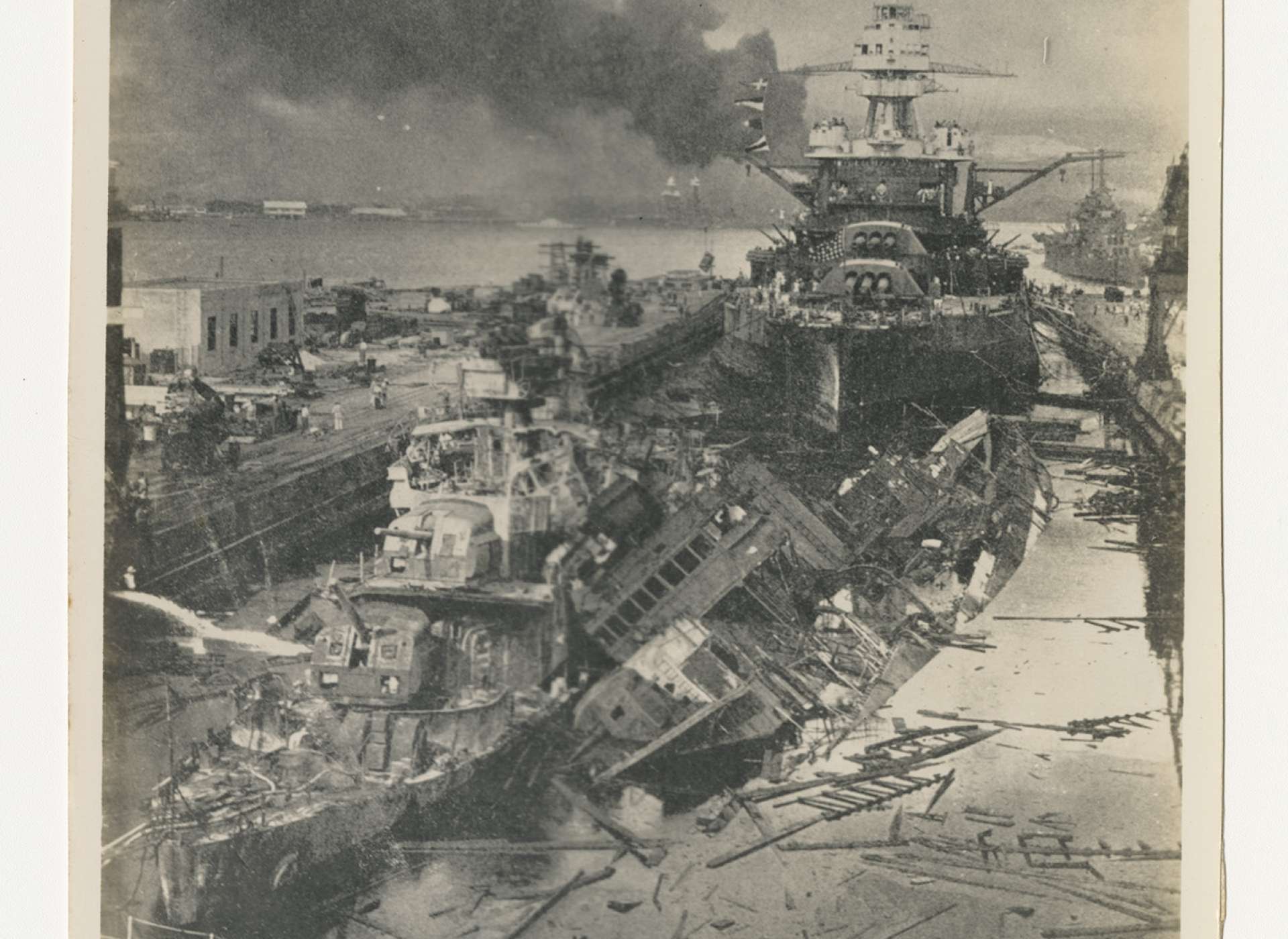
Seen shortly after the attack, the destroyers USS Downes and USS Cassin lie wrecked in front of the USS Pennsylvania in Pearl Harbor’s Drydock One. Smoke rises from the USS Arizona in the distance. Gift of Robert M. Heim, 2002.300.005