-
 Article Type
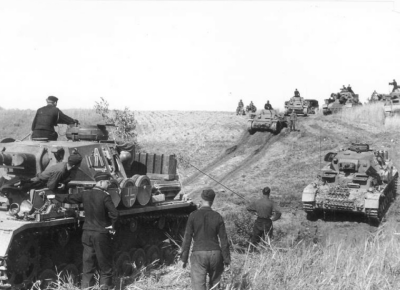
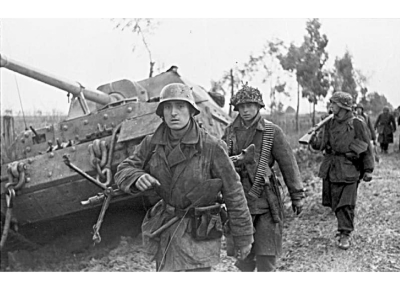
The Rise of the Panzer Division
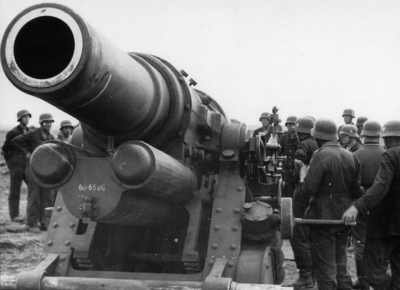
Learn MoreSustained mobility was the game-changer of 20th-century warfare, and it gave Adolf Hitler the confidence to wage the greatest war in human history.
-
Article Type
The Doolittle Raiders
Learn MoreWWII leadership lessons from the Museum’s Institute for the Study of War and Democracy.
-
Article Type
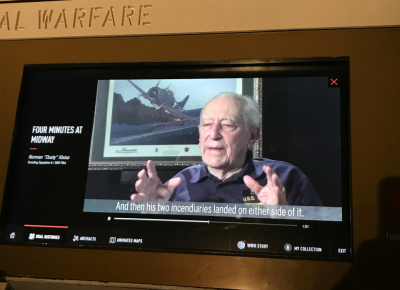
The Words of War
Learn MoreWWII naval aviator Dusty Kleiss helps secure victory at Midway—and in his life.
-
Article Type
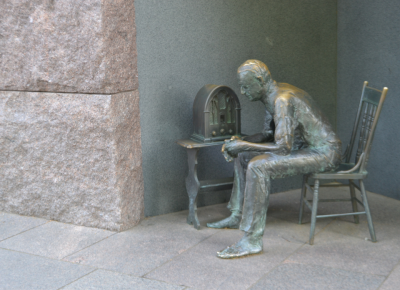
History Through the Viewfinder
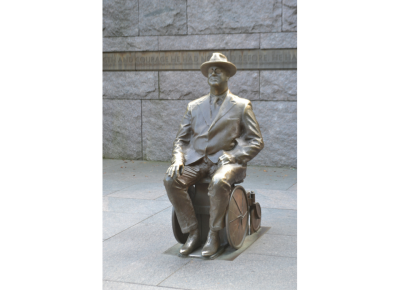
Learn MoreA memorial depicts FDR’s special relationship with ordinary Americans in a world verging on war.
-
Article Type
Last Ride at Anzio: The German Counterattacks, February 1944
Learn MoreHow a forceful German counterattack in February 1944 could not push back the Allied Anzio landing.
-
Article Type
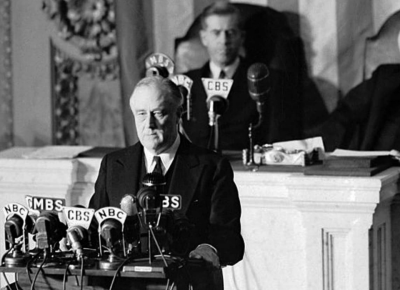
The Great Debate
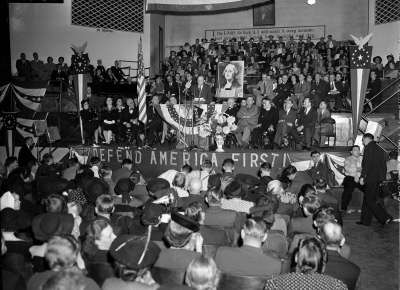
Learn MoreFrom our 21st-century point of view, it is hard to imagine World War II without the United States as a major participant. Before the Japanese attack on Pearl Harbor in 1941, however, Americans were seriously divided over what the role of the United States in the war should be, or if it should even have a role at all. Even as the war consumed large portions of Europe and Asia in the late 1930s and early 1940s, there was no clear consensus on how the United States should respond.
-
Article Type
The Words of War
Learn MoreThe personal cost of a great victory is brought home to a young pilot.
-
Article Type
Should Atomic Bombs Never Be Used as a Weapon?
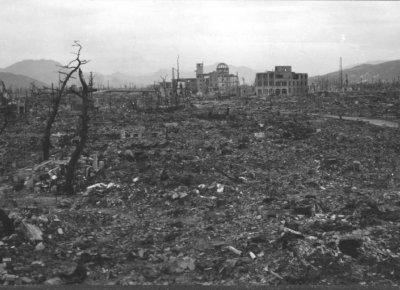
Learn MoreFrom the Manhattan Project to Hiroshima and atomic diplomacy.
-
Article Type
History Through the Viewfinder
Learn MoreA single teardrop symbolizes FDR’s tumultuous first term.
-
Article Type
The Peninsula: The Crimea at War
Learn MoreHow the strategic location of the diamond-shaped peninsula proved too much for the Germans.
-
Article Type
The Art of Perseverance: The Search for First Lieutenant Loren E. Hintz
Learn MoreFamilies with unrecovered loved ones should never give up.
-
Article Type
The Words of War
Learn MoreThe unforgettable sight of three Japanese carriers burning on the blue Pacific, described by a pilot who was there.