-
 Article Type
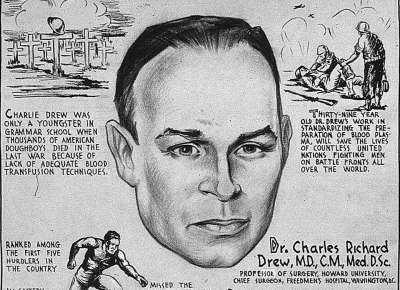
Medical Innovations: Charles Drew and Blood Banking
Learn MoreCharles Drew led the Blood for Britain program, and developed the National Blood Bank.
-
Article Type
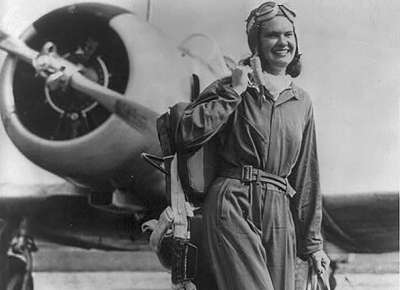
The Life of a WWII Ferry Pilot
Learn MoreThe experiences of Pilot Teresa James exemplify the dedicated service of WASP women in World War II.
-
Article Type
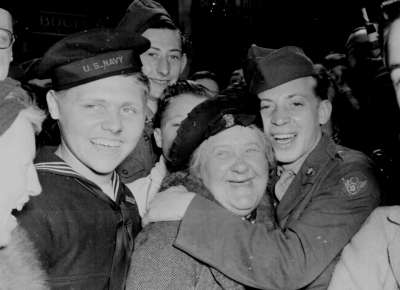
On the Airwaves: Victory in Europe
Learn MoreRadio Broadcasts from the days leading up to V-E Day give a fascinating insight into thoughts, concerns, and celebrations as the war in Europe came to an end.
-
Article Type
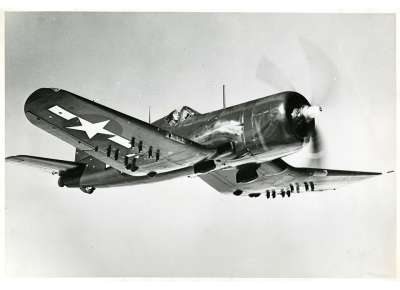
“Angels of Okinawa”: The F4U Corsair
Learn MoreOne of the best fighters of World War II, the F4U Corsair tormented the Japanese from Guadalcanal until the end of the war.
-
Article Type
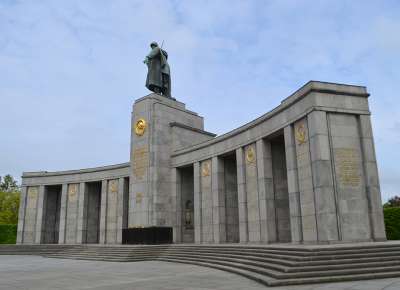
Remembering the Battle of Berlin: The Soviet War Memorial at Tiergarten
Learn MoreThe Battle of Berlin Remembered: The Soviet War Memorial in the Tiergarten
-
Article Type
Best of WWII Public Programs: The Road to Victory in Europe
Learn MoreA few of our best past public programs that follow America's path to Victory in Europe.
-
Article Type
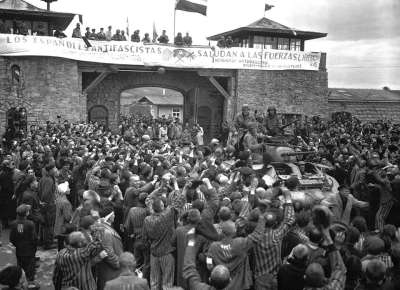
Where Murder Was a Way of Life: The Mauthausen Concentration Camp
Learn MoreMauthausen, one of the worst of the Nazi concentration camps, was liberated by the American 11th Armored Division on May 5, 1945.
-
Article Type
Eugene DiSabatino: Manhattan Project
Learn MoreDiSabatino was selected by Army officers at NYU and after being interviewed was assigned to Los Alamos.
-
Article Type
Al Hirt: From the US Army to the King of New Orleans Jazz
Learn MoreThe service and legacy of one of New Orleans jazz legends.
-
Article Type
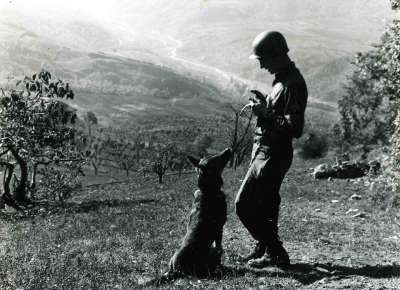
Man's Best Friend
Learn MoreFor generations the symbol of loyalty and faithfulness has been a dog. Here we feature some loyal dogs whose loyalty deserves attention.
-
Article Type
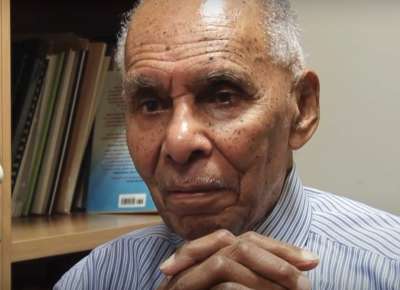
Roscoe Brown of the Tuskegee Airmen
Learn MoreDr. Roscoe Brown served in the USAAF as a fighter pilot in the 100th Fighter Squadron, 332nd Fighter Group, 15th Air Force.
-
Article Type
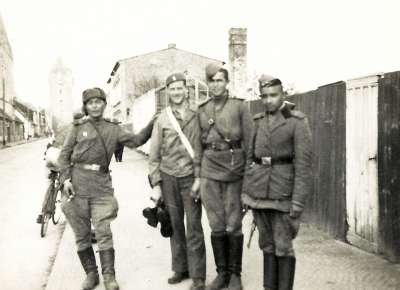
The Liberation of Stalag Luft I
Learn MoreWhen POWs awoke at Stalag Luft I on May 1, 1945, the German guards had disappeared and a hand sewn Stars and Stripes replaced the swastika on the flagpole. The Red Army arrived a day later.