-
 Article Type
The American Spirit: What Does It Mean?
Learn MoreA dozen years after the opening of the institution that would become The National WWII Museum, President and CEO Nick Mueller spoke to a Junior Achievement Hall of Fame banquet on “The American Spirit: What Does It Mean?”
-
Article Type
The Louisiana Maneuvers
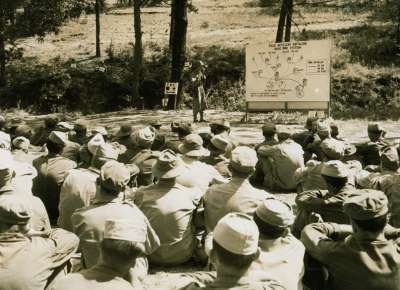
Learn MoreAmericans like to think of World War II as a “great crusade,” but if it was, the country certainly didn’t seem all that fervent about rushing into it. Think of it: by the usual reckoning, World War II lasted six years, from the invasion of Poland on September 1, 1939, to Japan’s surrender on board the USS Missouri on September 2, 1945. US participation spanned less than four years of that total, a little over half the war. Of seven campaigning seasons, the United States missed the first three and was active only in the final four.
-
Article Type
The Four Freedoms
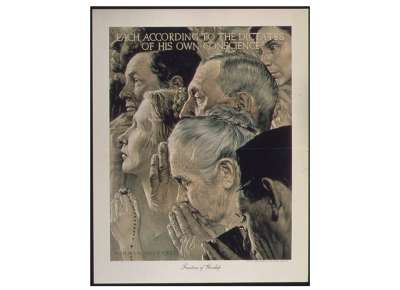
Learn MoreIn January of 1941, President Franklin Delano Roosevelt outlined a vision of the future in which people the world over could enjoy four essential freedoms. This vision persisted throughout World War II and came to symbolize the ideals behind the rights of humanity and the pursuit of peace in a postwar world.
-
Article Type
Cold Conflict
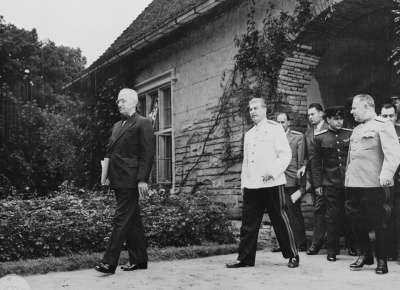
Learn MoreThe United States was not the only leading power on the world stage after the end of World War II; it had a new competitor for this power in the Soviet Union. Tensions between the former allies quickly grew, leading to a new kind of conflict—one heightened with the threat of atomic weapons—that came to dominate global politics for the remainder of the twentieth century.
-
Article Type
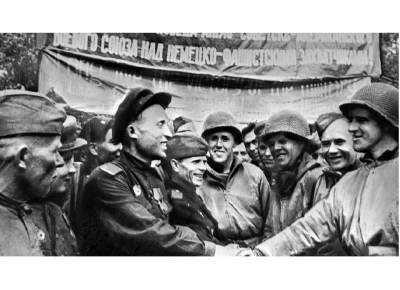
Liberation and Legacy
Learn MoreDr. Rob Citino highlights the moments of celebration, as well as realization of the repercussions that followed Allied victory and the end of World War II.
-
Article Type
Liberation in China and the Pacific
Learn MoreDr. Rana Mitter depicts how China held a critical role in the Pacific theater during the war as a key ally for the United States. The war's end, however, brought a devastating blow to American diplomacy as China ultimately fell to communism, forever changing the global balance of power in the emerging Cold War.
-
Article Type
The Cost of Victory
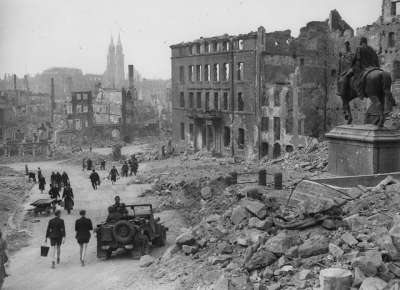
Learn MoreAs fighting came to an end in 1945, people the world over faced for the first time the unprecedented extent of destruction and loss of life caused by World War II. As the costs of victory came into devastating focus, the diplomatic responses, rising global tensions between the United States and the Soviet Union, and social disruption that followed in the aftermath of this conflict showed that World War II was truly "the war that changed the world."
-
Article Type
Louisiana Spotlight: Tulane Unit
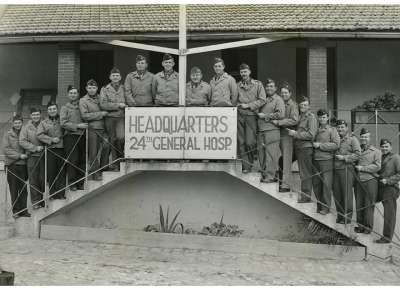
Learn MoreIn 1942 the 24th General Hospital was created by doctors from Tulane University and nurses from New Orleans. Serving in the Mediterranean theater, they were known as the “Tulane Unit.”
-
-
Article Type
Uniting Communities for War
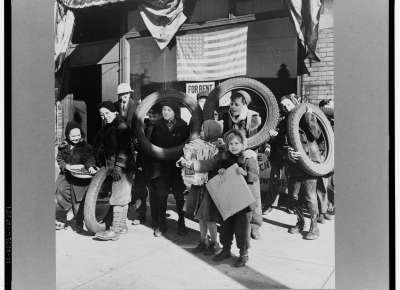
Learn MoreFighting World War II presented daunting military obstacles overseas, but it also involved serious challenges for American communities on the Home Front.
-
Article Type
Training the American GI
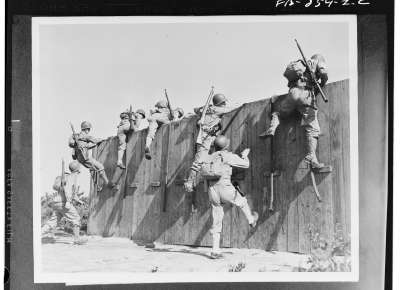
Learn MoreAs the United States prepared for war, military leaders had a long list of needs—guns, tanks, ships, and equipment of every kind. One of the things they needed most of all, however, was people.
-
Article Type
Rationing
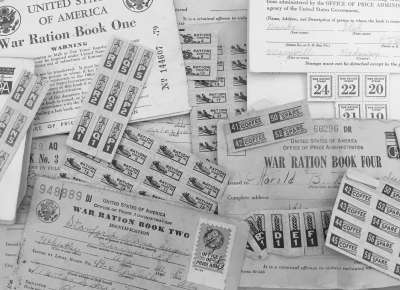
Learn MoreWorld War II put a heavy burden on US supplies of basic materials like food, shoes, metal, paper, and rubber. The Army and Navy were growing, as was the nation’s effort to aid its allies overseas. Civilians still needed these materials for consumer goods as well. To meet this surging demand, the federal government took steps to conserve crucial supplies, including establishing a rationing system that impacted virtually every family in the United States.