-
 Article Type
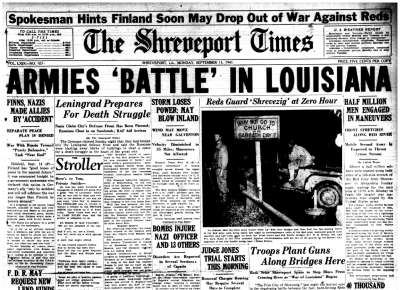
Shreveport Under Attack: A Look Back at the Louisiana Maneuvers
Learn MoreWhile military maneuvers train and test a force’s capabilities, they can also seem like an “alternate history” at times. Consider these fascinating front pages from September 1941, reprinted here courtesy of The Shreveport Times, describing the US Army’s big Louisiana Maneuvers.
-
Article Type
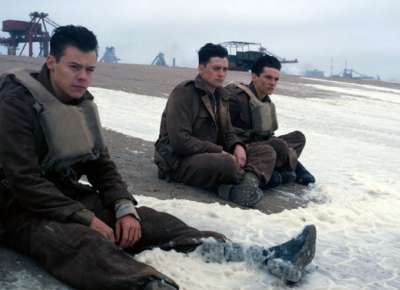
Dunkirk
Learn MoreSenior Historian Robert M. Citino, PhD, on Christopher Nolan’s WWII epic: “Nolan is particularly good at weaving together war’s three domains: on land, at sea, and in the air. The air battles, often a weak and confusing bore in war films, are as well-presented as any I’ve ever seen, and the German Stuka attacks, especially, are terrifying. No war film is truly realistic, but Dunkirk is as good as it gets.”
-
Article Type
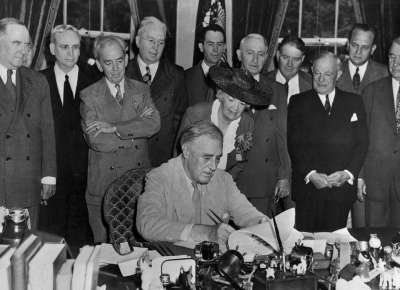
Preparing for the Citizen Soldier’s Return: the GI Bill of 1944
Learn More"By the war’s conclusion, nearly 16 million men and a half million women would provide military service for their country. Where would the opportunities to create better lives for themselves come from for these men and women who had seen, experienced, and sacrificed so much during the war years?"
-
Article Type
Stalag Symphony: Clair Cline
Learn MoreIn European prisoner of war camps, boredom became as fearsome an enemy as the Nazis themselves. These Americans fought it with inspiring creativity.
-
Article Type
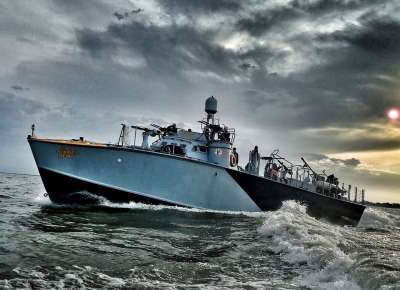
Higgins Industries Builder’s Plaque Returns to PT-305
Learn MoreAfter more than 70 years away, a unique identifier is restored.
-
-
Article Type
How PT-305 Got Her Custom Portholes
Learn MoreLearn how this unique field modification came to be.
-
Article Type
New Orleans in the Second World War
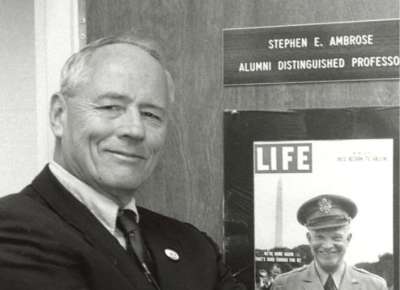
Learn MoreTwo years after the renowned historian began planning a war museum and eight years before The National D-Day Museum opened, Ambrose delivered a lecture, “New Orleans in the Second World War.”
-
Article Type
Operation Husky: The Allied Invasion of Sicily
Learn MoreOn July 10, 1943, the Allies launched Operation Husky before sunrise, a massive amphibious assault on the southern shores of the island.
-
Article Type
The American Spirit: What Does It Mean?
Learn MoreA dozen years after the opening of the institution that would become The National WWII Museum, President and CEO Nick Mueller spoke to a Junior Achievement Hall of Fame banquet on “The American Spirit: What Does It Mean?”
-
Article Type
The Louisiana Maneuvers
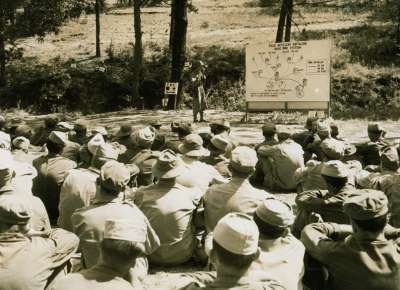
Learn MoreAmericans like to think of World War II as a “great crusade,” but if it was, the country certainly didn’t seem all that fervent about rushing into it. Think of it: by the usual reckoning, World War II lasted six years, from the invasion of Poland on September 1, 1939, to Japan’s surrender on board the USS Missouri on September 2, 1945. US participation spanned less than four years of that total, a little over half the war. Of seven campaigning seasons, the United States missed the first three and was active only in the final four.
-
Article Type
The Four Freedoms
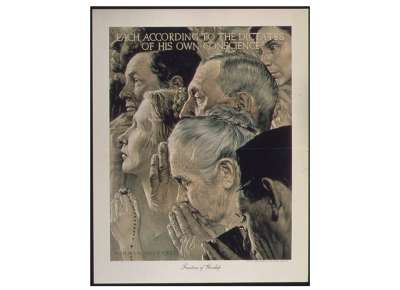
Learn MoreIn January of 1941, President Franklin Delano Roosevelt outlined a vision of the future in which people the world over could enjoy four essential freedoms. This vision persisted throughout World War II and came to symbolize the ideals behind the rights of humanity and the pursuit of peace in a postwar world.