Article Type
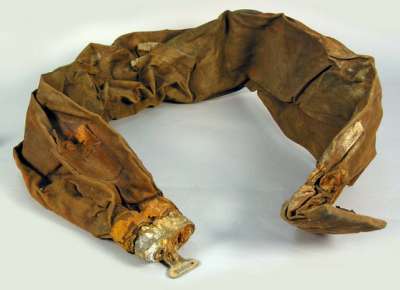
The Home Front Saves a Life
A US Navy sailor survives off of Guadalcanal thanks to a life belt with a remarkable connection to home.
A US Navy sailor survives off of Guadalcanal thanks to a life belt with a remarkable connection to home.
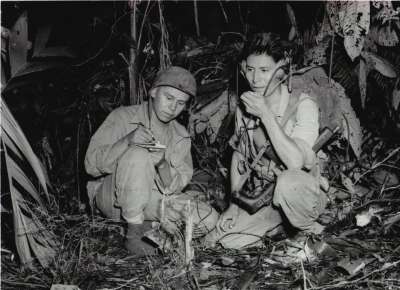
The idea of using American Indians who were fluent in both their traditional tribal language and in English to send secret messages in battle was first put to the test in World War I with the Choctaw Telephone Squad and other Native communications experts and messengers. However, it wasn’t until World War II that the US military developed a specific policy to recruit and train American Indian speakers to become code talkers.
Richard Tregaskis’s account of the first seven weeks of fighting is a classic of war literature.
Richard B. Frank, author of Guadalcanal: The Definitive Account of the Landmark Battle (1990); Downfall: The End of the Imperial Japanese Empire (1999); and MacArthur (2007); lectures on the decisive battles of the Pacific war.
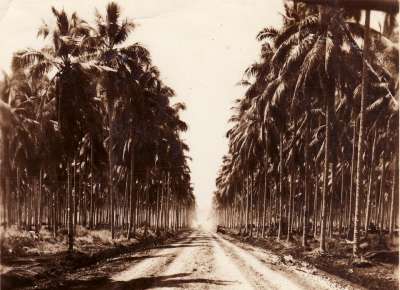
The August 1942 landing on Guadalcanal was a colossal improvisation, concocted on the fly to take advantage of a recent dramatic turn in the Pacific war.
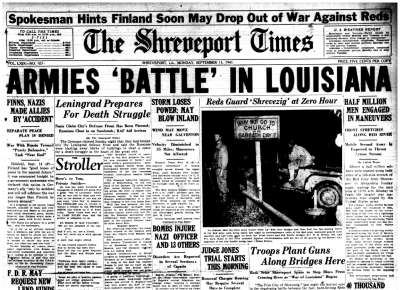
While military maneuvers train and test a force’s capabilities, they can also seem like an “alternate history” at times. Consider these fascinating front pages from September 1941, reprinted here courtesy of The Shreveport Times, describing the US Army’s big Louisiana Maneuvers.
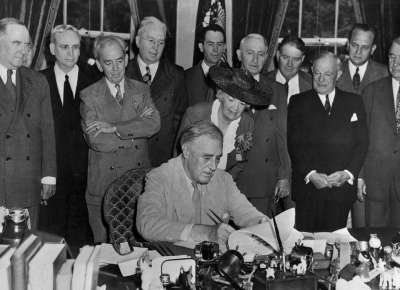
"By the war’s conclusion, nearly 16 million men and a half million women would provide military service for their country. Where would the opportunities to create better lives for themselves come from for these men and women who had seen, experienced, and sacrificed so much during the war years?"
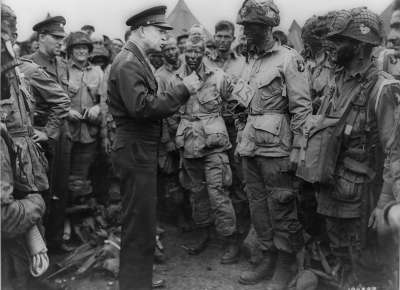
A dozen years after the opening of the institution that would become The National WWII Museum, President and CEO Nick Mueller spoke to a Junior Achievement Hall of Fame banquet on “The American Spirit: What Does It Mean?”
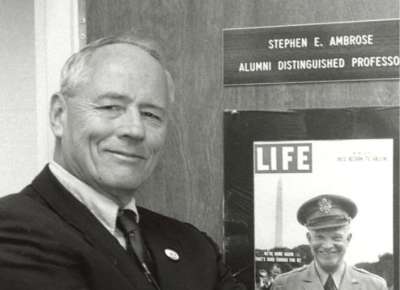
Two years after the renowned historian began planning a war museum and eight years before The National D-Day Museum opened, Ambrose delivered a lecture, “New Orleans in the Second World War.”
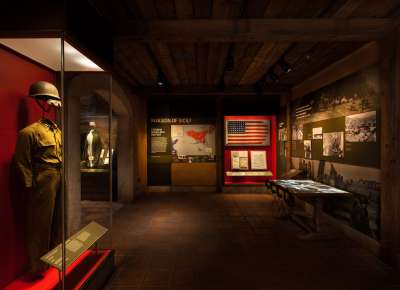
On July 10, 1943, the Allies launched Operation Husky before sunrise, a massive amphibious assault on the southern shores of the island.