Article Type
History Through the Viewfinder
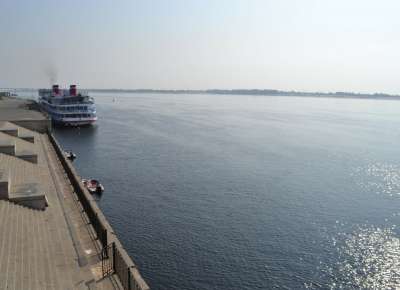
Stalingrad 1942: Control of the Volga by an invader could mean the fatal division of the Soviet Union.
Stalingrad 1942: Control of the Volga by an invader could mean the fatal division of the Soviet Union.
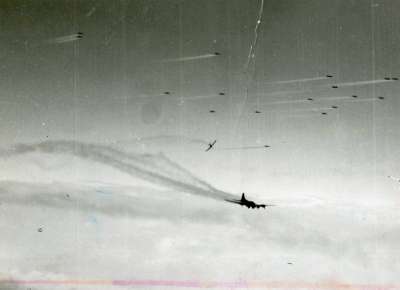
In the grisly battle for European air supremacy, the Luftwaffe proved a deadly foe to Allied bombers.
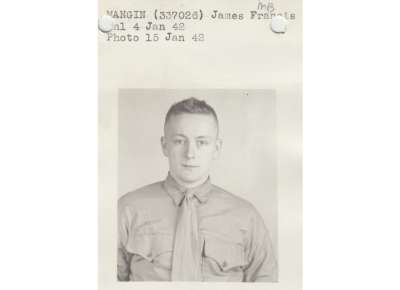
Despite the lack of proper diet and medical supplies, the proliferation of tropical disease, constant enemy bombardments, and the threat of being overrun by a fanatical enemy, American forces held on to “The Island of Death.”
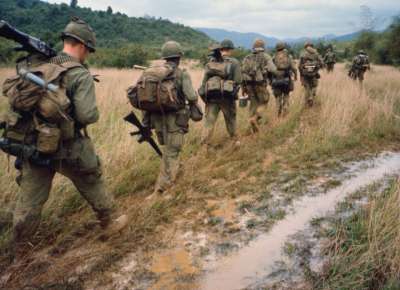
As the premiere episode of the new PBS documentary miniseries shows, America’s involvement in Vietnam can be tracked back to World War II.

The traveling exhibit tells the story of how World War II became the major catalyst in the 20th century for African Americans seeking change in their fortunes, both on the Home Front and in the American military.
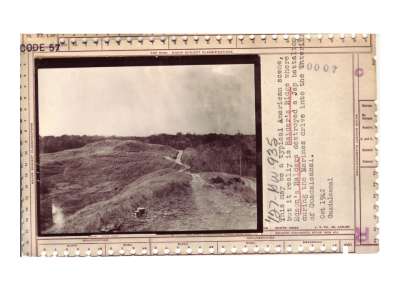
The Japanese continued to push hard to take Henderson Field, yet they never got as close to victory as they had the night of the attack on Edson’s Ridge
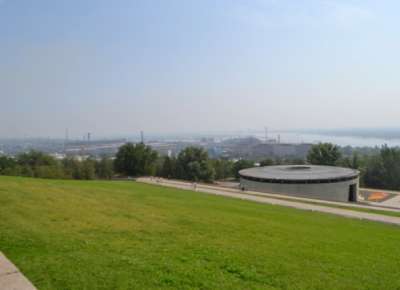
Seventy-five years after the Germans began their attack on Stalingrad, a look at the Volga from atop Mamayev Kurgan.

The past, present, and future of The National WWII Museum's collection of oral histories.
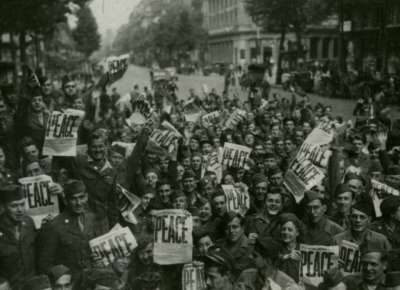
“It was too much death to contemplate, too much savagery and suffering; and in August 1945 no one was counting. For those who had seen the face of battle and been in the camps and under the bombs—and had lived—there was a sense of immense relief.”
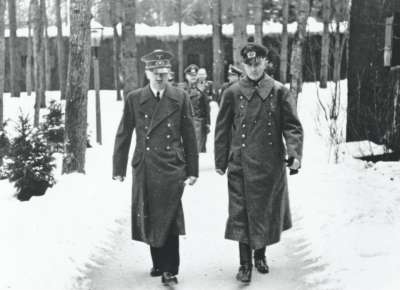
In a global conflict of exploding bombs and shells—tens of millions of them on land, sea, and in the air—setting one off in Hitler's headquarters might seem like the simplest thing in the world.