The Bombing of Nagasaki, August 9, 1945
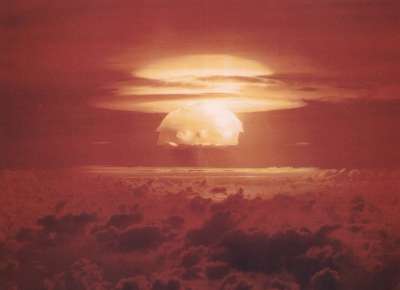
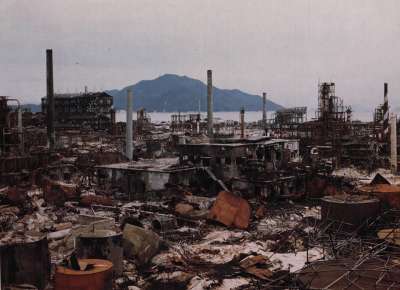
The bombing of the Japanese city of Nagasaki with the Fat Man plutonium bomb device on August 9, 1945, caused terrible human devastation and helped end World War II.
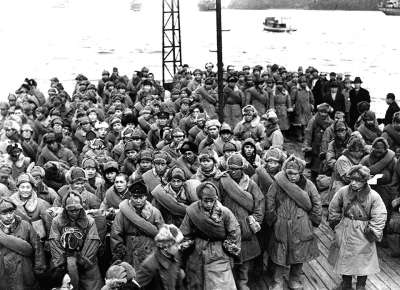
The New Guinea campaign was one of the hardest-fought of World War II. American and Australian forces relied on native New Guineans to achieve victory.
Many Americans greeted the news of the Atomic bombing of Hiroshima with jubilation. Beginning shortly after the war, however, a number of prominent US military leaders began to question the bomb's use.
A presentation of The National WWII Museum's curricular resources to help educators teach about the use of atomic bombs against Japan.
On the morning of August 6, 1945, the American B-29 bomber Enola Gay dropped an atomic bomb on the Japanese city of Hiroshima.
Invasion or Blockade? American Army and Navy planners debated how to vanquish Japan during World War II's final weeks.
The 100th Infantry Battalion, comprised largely of second generation Nisei, bravely fought in Europe and became one of America's most highly decorated units of World War II.
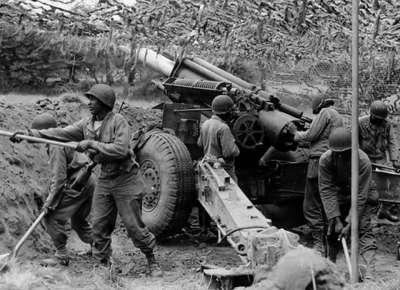
The African American 614th Tank Destroyer Battalion's aggressive assault across Germany's Siegfried Line in 1945 earned the respect and camaraderie of white GIs in the front lines.
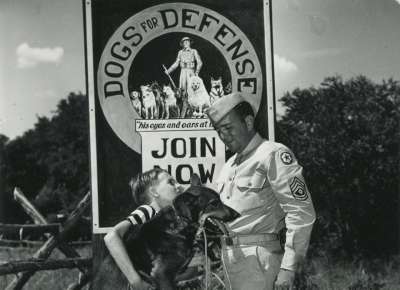
The war effort demanded developments in the field of science and technology, developments that forever changed life in America and made present-day technology possible.
The United States was not the only leading power on the world stage after the end of World War II; it had a new competitor for this power in the Soviet Union. Tensions between the former allies quickly grew, leading to a new kind of conflict—one heightened with the threat of atomic weapons—that came to dominate global politics for the remainder of the twentieth century.