Article Type
The Horribles: American Strategic Options Against Japan in 1945
American strategic options for ending the war against Japan in 1945 offered a choice of horrible possibilities.
American strategic options for ending the war against Japan in 1945 offered a choice of horrible possibilities.
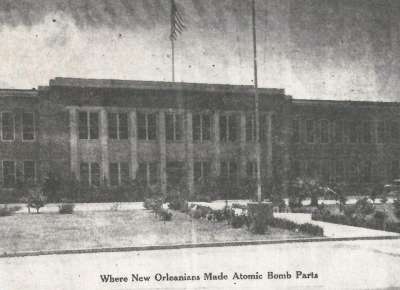
Higgins Industries is best known for the design and construction of landing craft, dubbed “the boats that won the war,” but the multi-faceted company also contributed to the most top-secret program of the war, the Manhattan Project.
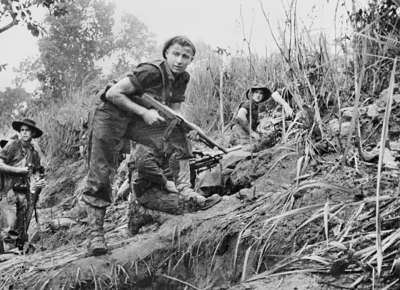
Australian forces, backed by American artillery, assaulted Japanese positions on Bobdubi Ridge in one of World War II’s bitterest campaigns.
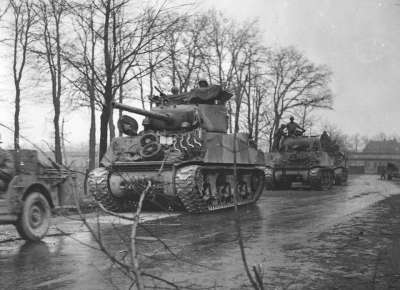
The 784th Tank Battalion's motto was "It Will Be Done." This African American unit imposed its will on the enemy in combat in 1945.
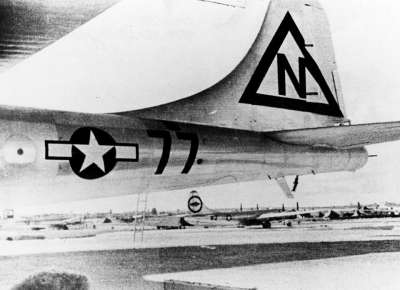
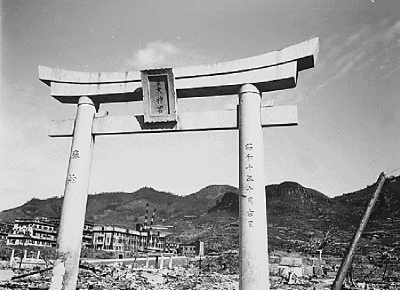
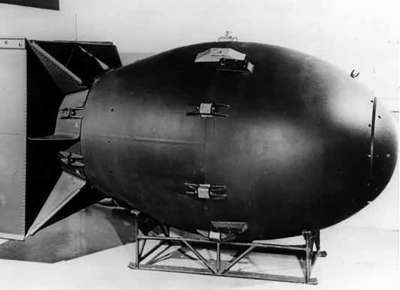
The bombing of the Japanese city of Nagasaki with the Fat Man plutonium bomb device on August 9, 1945, caused terrible human devastation and helped end World War II.
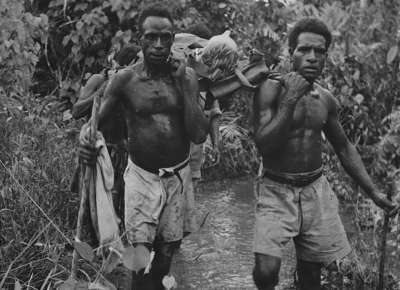
The New Guinea campaign was one of the hardest-fought of World War II. American and Australian forces relied on native New Guineans to achieve victory.
Many Americans greeted the news of the Atomic bombing of Hiroshima with jubilation. Beginning shortly after the war, however, a number of prominent US military leaders began to question the bomb's use.
A presentation of The National WWII Museum's curricular resources to help educators teach about the use of atomic bombs against Japan.
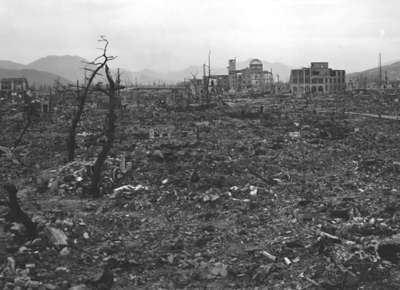
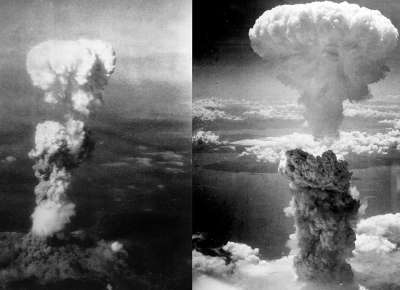
On the morning of August 6, 1945, the American B-29 bomber Enola Gay dropped an atomic bomb on the Japanese city of Hiroshima.
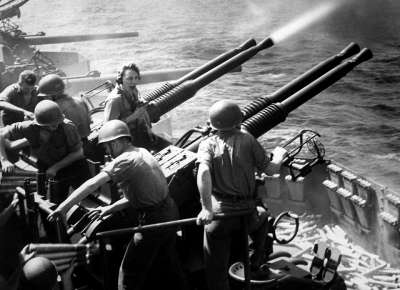
Invasion or Blockade? American Army and Navy planners debated how to vanquish Japan during World War II's final weeks.