Article Type
The WWII Origin of “Praise the Lord and Pass the Ammunition”
Upon its release, “Praise the Lord and Pass the Ammunition” quickly became very popular with wartime Americans.
Upon its release, “Praise the Lord and Pass the Ammunition” quickly became very popular with wartime Americans.
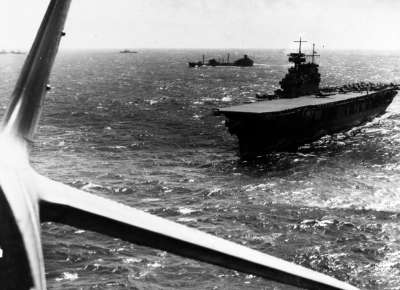
During World War II, ship names often referenced earlier eras of American history. Today, the US Navy continues its efforts to memorialize the country’s origins by upholding naming traditions that hark back more than 160 years.
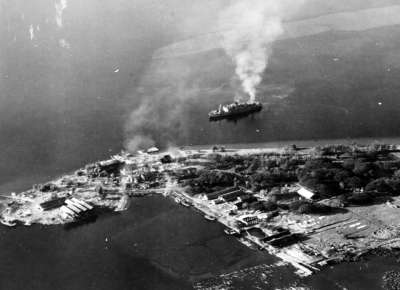
Initially, hell ships moved Allied POWs to areas where their labor was needed, such as the Japanese main islands and other recently conquered regions, but later, they also moved prisoners to prevent them from being liberated by advancing Allied forces.
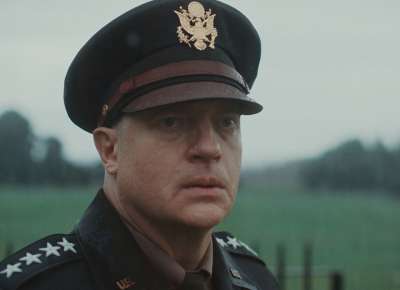
With bad weather and the limitations of meteorological technology at the time, General Dwight D. Eisenhower had to determine when to launch the cross-channel invasion and begin Operation Overlord. Pressure tells the story of the Allied weather forecast leading to the invasion of Normandy.
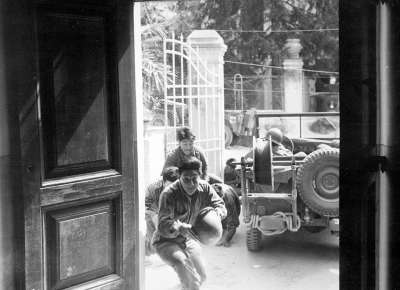
This month, we invite you to consider the wide range and long-term impacts of World War II upon Asian American and Pacific Islanders from a perspective that encourages students to consider continuity and change over time.
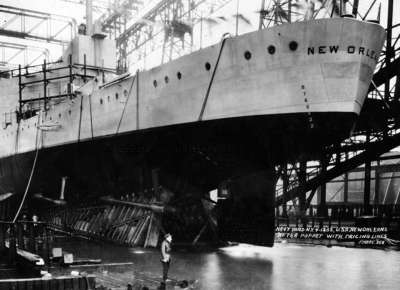
A product of post Great War naval treaties and launched amid rising global tensions, the USS New Orleans forged a bond with its namesake city in the years before World War II
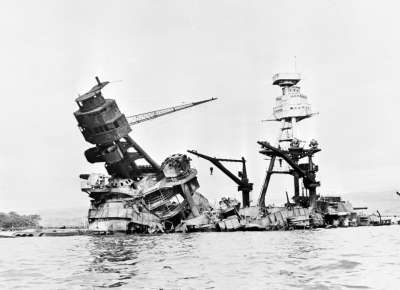
On April 23, 2026, the DPAA announced that it had met the 60 percent threshold for the USS Arizona Unknown Identification Project.

This month, we explore how the Nazi campaign against “degenerate” modernist art and music can help students use Visual Thinking Strategies as a way to observe and think critically about art, as well as teach them how culture plays into times of war.
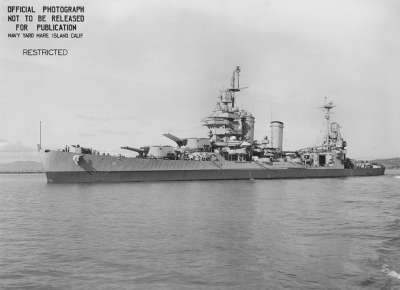
Not only was the vessel a hometown hero, the USS New Orleans also participated in almost every major campaign against Japan. And when faced with great tragedy, she always bounced back, much like the people of New Orleans did after disasters such as Hurricane Katrina in 2005.
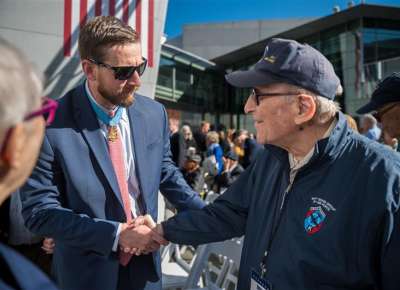
Bussel spent a year as a prisoner of war after his plane was shot down over Germany—a traumatic experience that would fuel his work on behalf of veterans and former POWs later in life.