Reel History: Serving for Justice
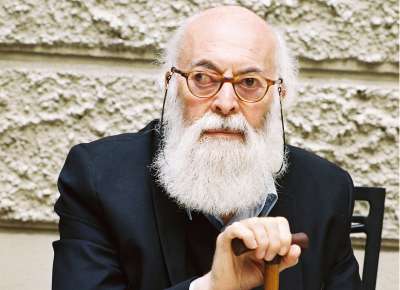
Join filmmakers Dr. Jeffrey Sammons and Rob Child as they discuss their documentary, Serving for Justice, as a part of The National WWII Museum’s Reel History Film Series.
Join us for an engaging discussion on the lead up to the dropping of the Atomic Bomb on Hiroshima, 76 years after that historic day, between author David Dean Barrett and the Museum’s Senior Historian Rob Citino, PhD.
This presentation will examine the ways in which Ukrainian DPs resisted involuntary and voluntary repatriation and will explore how the process challenged postwar resettlement policies, altered international definitions of citizenship and refugeedom, and redefined Ukrainian national belonging.
Tune in for a discussion of the little known group of Jewish soldiers in the US Army who were tasked with guarding German POWs and also with the process of reeducating them before they were returned to a defeated and peaceful Germany, the last of whom were sent 75 years ago.
Join Rusty Nix, Communications Manager of the former Virginia WWI and WWII Commemoration Commission, as he dives into the weirder and wilder side of the war you THOUGHT you knew and discusses some of the most incredible and bizarre stories of World War II.
Join Rob Havers, PhD, President & CEO of the Pritzker Military Museum & Library, and our very own Rob Citino, PhD, as they discuss the D-Day landing and Normandy campaign through the modern military lenses lenses of strategy—identifying long-term goals and providing the resources to meet them—and operations—plans to dominate the battlefield, foil the enemy, and win at the lowest cost.
Join us for a roundtable discussion on the significance of D-Day and its legacy.
Ben Brands, a historian with the American Battle Monuments Commission, will discuss the initial establishment of the cemetery at Omaha Beach, which occurred in the days immediately following D-Day.