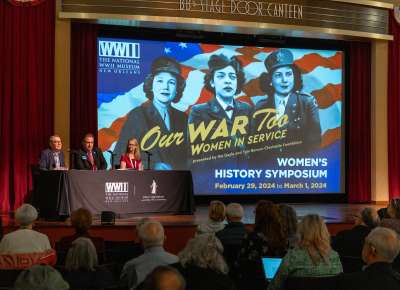
Our War Too: Women's History Symposium
The symposium, which took place from February 29 to March 1, 2024, featured topics expanding upon the Museum’s special exhibit, Our War Too: Women in Service.
The symposium, which took place from February 29 to March 1, 2024, featured topics expanding upon the Museum’s special exhibit, Our War Too: Women in Service.
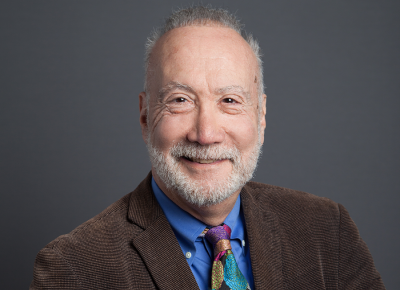
Museum President & CEO Emeritus Nick Mueller mourns the loss of friend and colleague Marc Pachter.
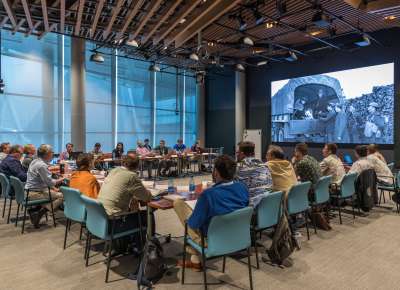
Fellows were introduced to the wealth of resources available within the Museum’s collection and in the field at-large, gaining advice on how to use these valuable tools in their own teaching and scholarship.
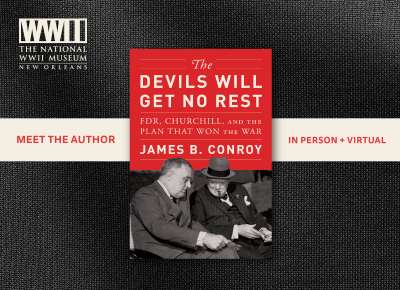
Conroy discussed his unique perspective of the Anglo-American clash over military strategy in January 1943 that ultimately produced the Allied plan for victory in World War II.
The 16th International Conference on World War II, a program of the Jenny Craig Institute for the Study of War and Democracy at The National WWII Museum, was presented by the Pritzker Military Foundation on behalf of Pritzker Military Museum & Library, with additional support from The Gen. Raymond E. Mason Jr. Distinguished Lecture Series on World War II Endowment Fund.
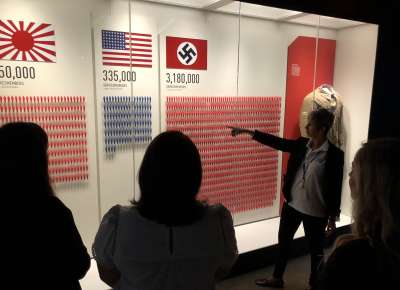
Begin your immersive journey into World War II on the exclusive Early Access Tour!
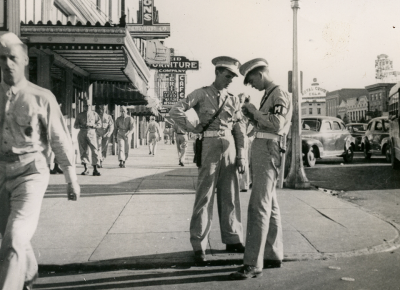
Join Rebecca Bush, Curator of History at The Columbus Museum, as she discusses how Columbus became known as “Mother-in-Law of the Army” and how World War II made both Columbus and Fort Benning integral components of US military training for generations.
Begin your immersive journey into World War II on the exclusive Early Access Tour!