Article Type
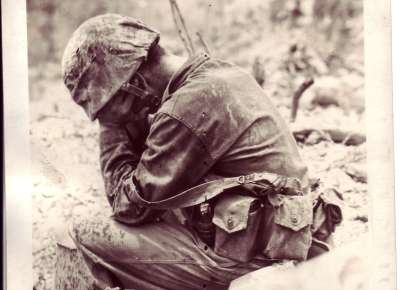
Private First Class Frank Pomroy
Pomroy saw some of the fiercest, most brutal fighting of World War II at Guadalcanal.
Pomroy saw some of the fiercest, most brutal fighting of World War II at Guadalcanal.
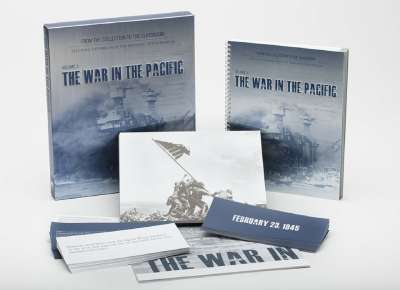
Richard B. Frank, author of Guadalcanal: The Definitive Account of the Landmark Battle (1990); Downfall: The End of the Imperial Japanese Empire (1999); and MacArthur (2007); lectures on the decisive battles of the Pacific war.
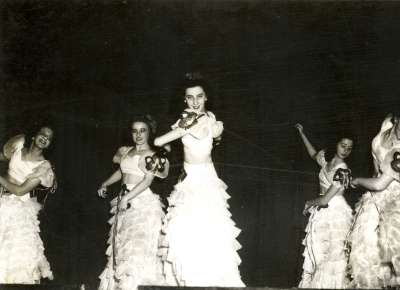
Betty Jacobs grew up in World War II. She spent much of the war pledging her time and effort to aiding troops in New Orleans, her hometown.
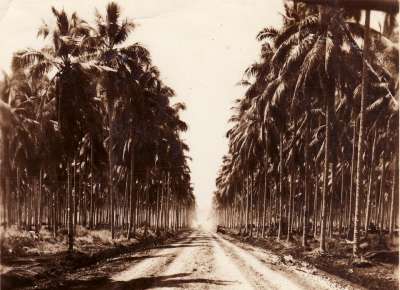
The August 1942 landing on Guadalcanal was a colossal improvisation, concocted on the fly to take advantage of a recent dramatic turn in the Pacific war.
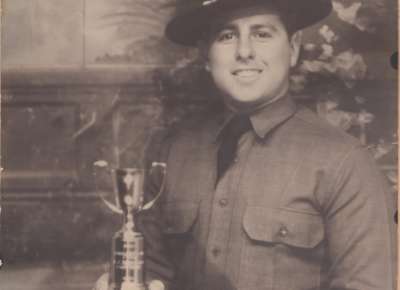
A native of Crowley, Louisiana, the bilingual Broussard served as a translator for the 507th Infantry Regiment, giving his life shortly after D-Day.
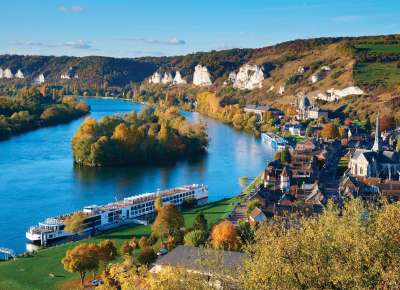
This journey in Normandy and voyage on the Seine River features renowned historians and expert local guides with unparalleled knowledge of WWII locations— from lesser-known sites available exclusively to The National WWII Museum’s travel programs to iconic landmarks steeped in heroism and history.
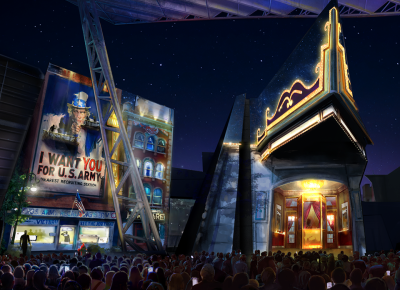
The Museum's outdoor sound and light show features incredible music, stunning imagery, festive snacks and beverages, and 90-foot-tall projections.
The Museum's outdoor sound and light show features incredible music, stunning imagery, festive snacks and beverages, and 90-foot-tall projections.