Twenty-five years ago, Band of Brothers introduced millions to the story of the 101st Airborne Division. Today, the HBO miniseries—based on Museum Founder Stephen Ambrose’s best-selling book—remains one of the defining portrayals of the American airborne experience in World War II.
At The National WWII Museum, visitors can discover artifacts carried, worn, and used by paratroopers of the 101st Airborne alongside items that tell the story of Band of Brothers itself. These artifacts offer a tangible connection to the real men whose service and sacrifice in the fight to liberate Europe inspired the book and the award-winning miniseries.
LOUISIANA MEMORIAL PAVILION ATRIUM
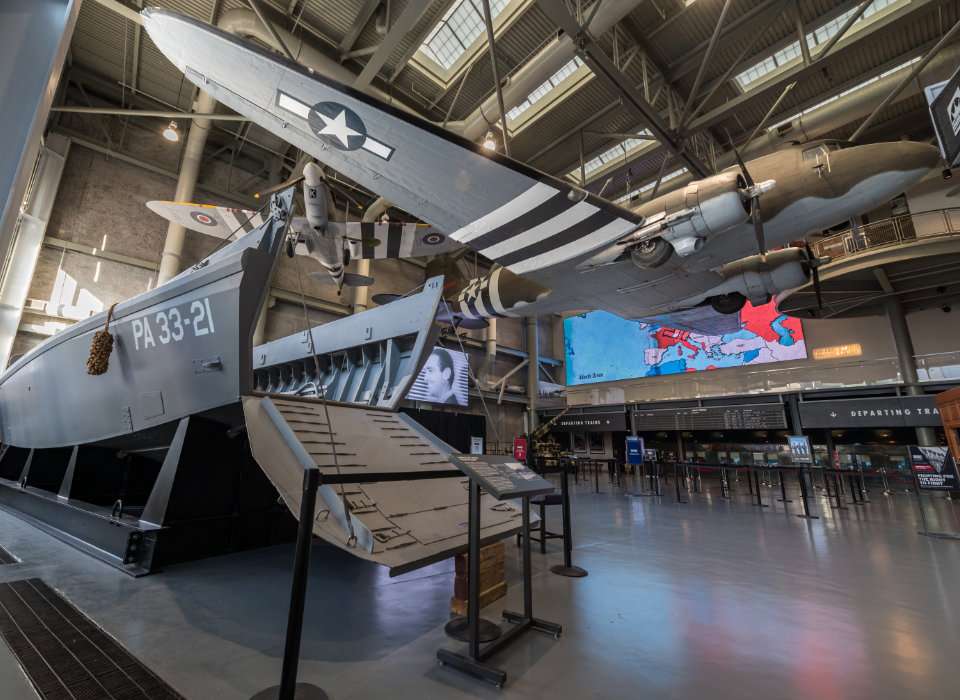
Douglas C-47 Skytrain
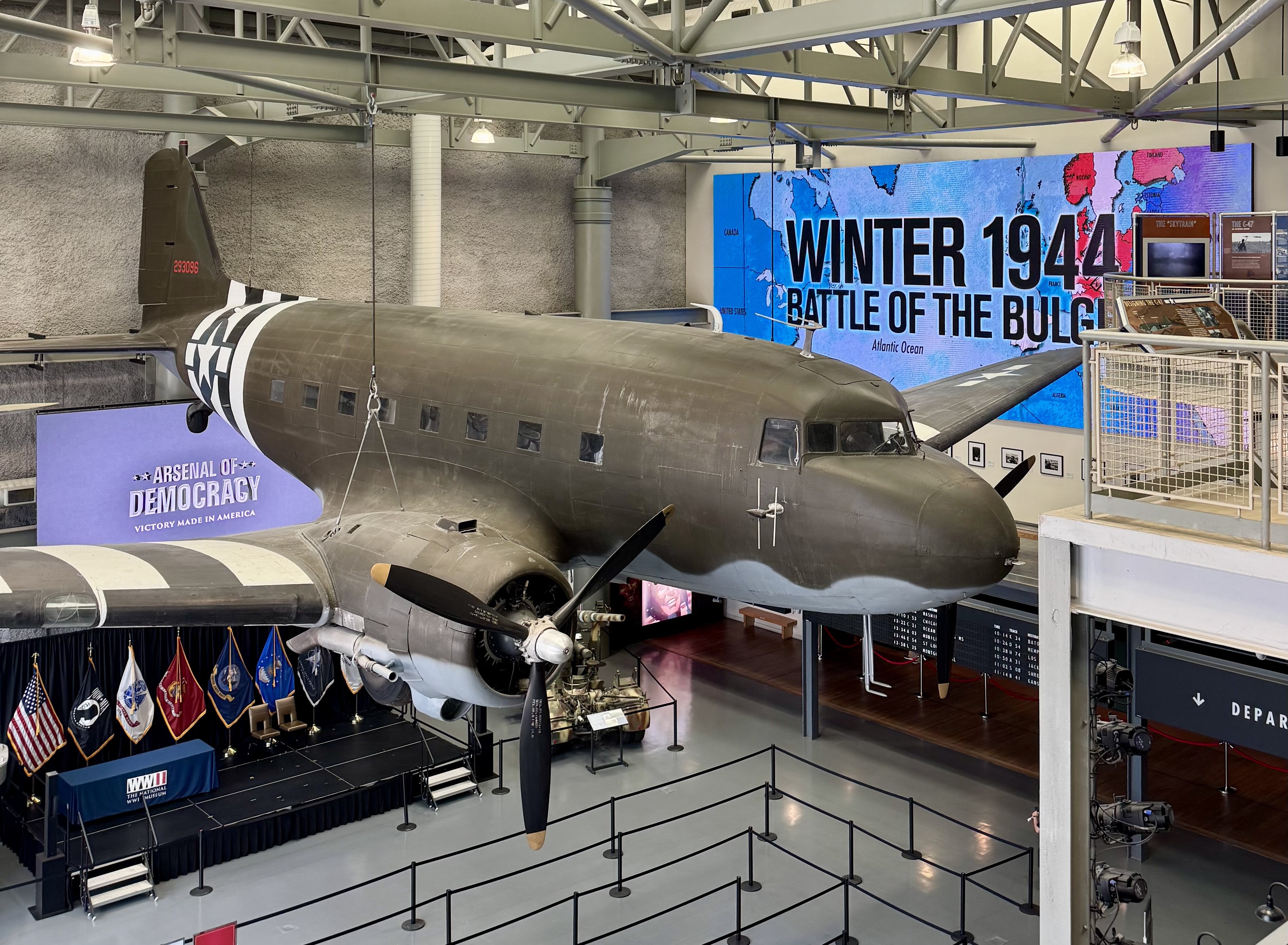
The Museum’s restored Douglas C-47 Skytrain transport plane, serial number 42-93096, dropped paratroopers from the 82nd Airborne Division into Normandy before carrying men and supplies of the 101st Airborne Division—first into Holland then Bastogne during the Battle of the Bulge. In 1945, the plane carried paratroopers from the 17th Airborne Division into Germany during Operation Varsity. Head to the observation deck on Level 3 to read more about 096’s service and to see photos of the 101st Airborne Division in action.
MALCOLM S. FORBES RARE AND ICONIC ARTIFACTS GALLERY
Emmy Award Presented to Stephen Ambrose
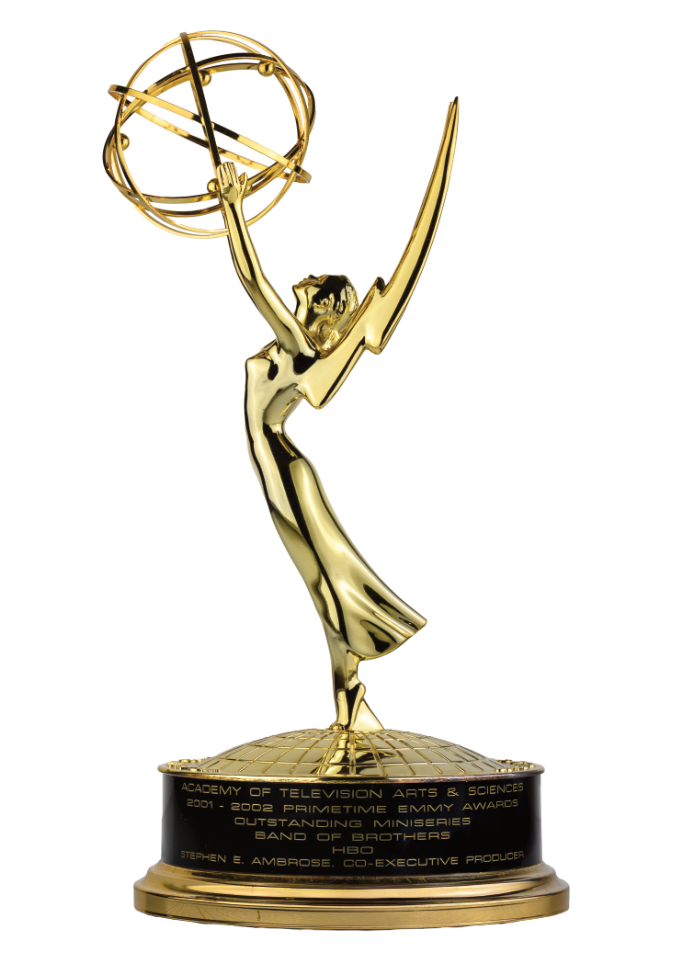
The Band of Brothers was a commercial and critical success, serving as a springboard for generations of WWII students and enthusiasts in the decades since its premiere. Ambrose received an Emmy for his role as co-executive producer alongside Stephen Spielberg, Tom Hanks, and Gary Goetzman. At the 2002 awards ceremony, Major Dick Winters thanked Ambrose from the podium. Ambrose was proud of the success and the distinction; he passed away on October 13, 2002, only three weeks after the win.
Band of Brothers: E Company, 506th Regiment, 101st Airborne: From Normandy to Hitler's Eagle’s Nest
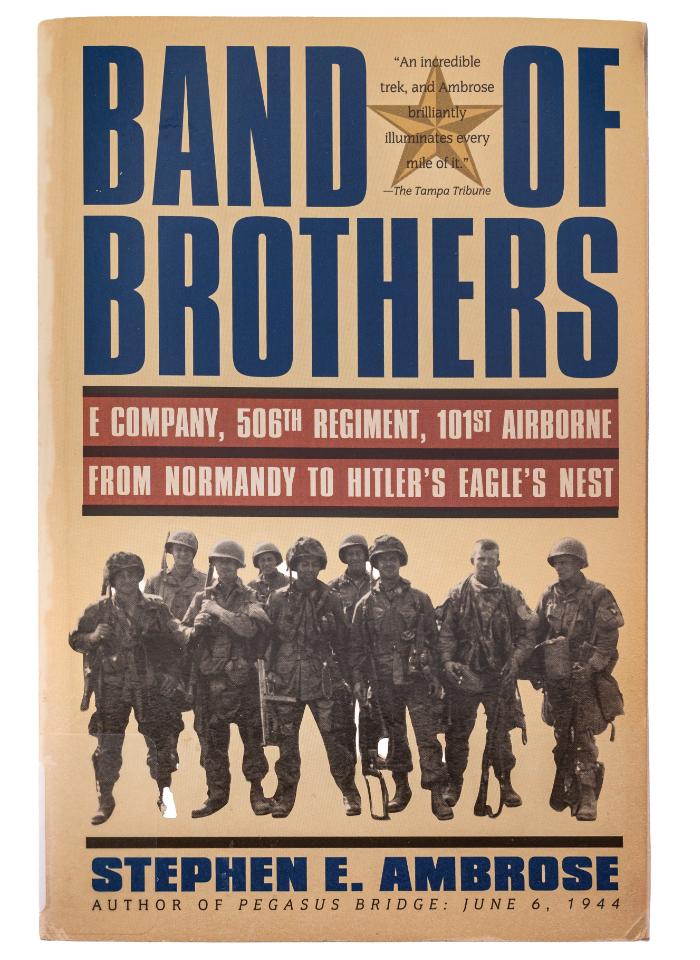
Published in 1991, Ambrose’s 15th book, Band of Brothers, follows the men of “Easy” Company, 2nd Battalion, 506th Parachute Infantry Regiment of the 101st Airborne Division. Based on interviews conducted with veterans of Company E, Ambrose wove the riveting personal stories into a classic work of WWII history.
Ambrose’s IBM Correcting Selectric III
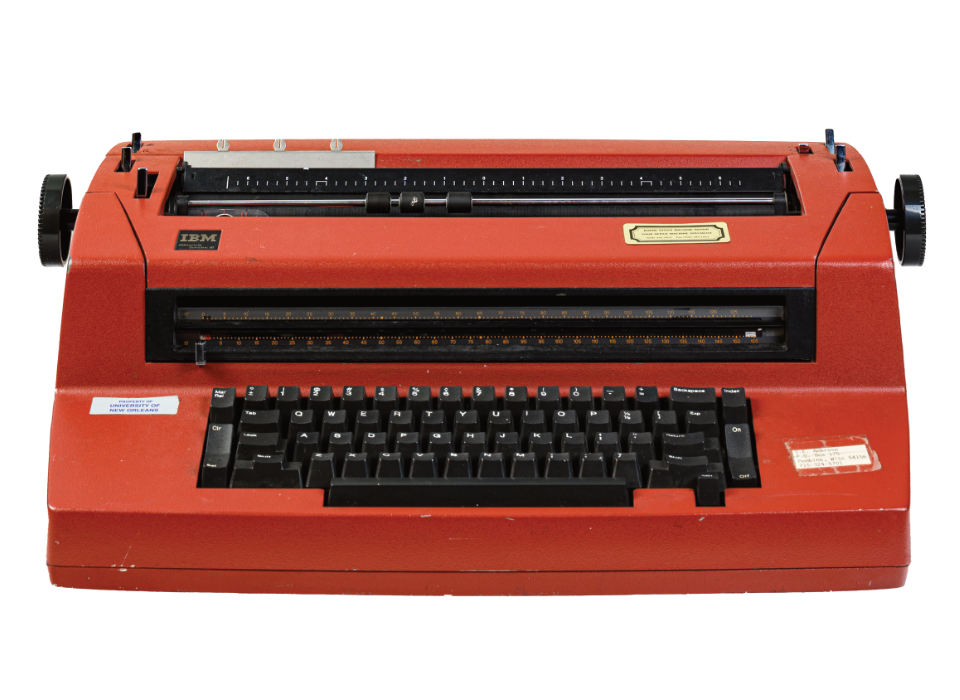
Ambrose typed many of his 30 published volumes on this IBM Selectric electric typewriter. While a professor at the University of New Orleans, and later in his work as Founder of The National D-Day Museum, Ambrose brought the personal stories of history’s heroes to new audiences.
Voices from the Front: Vincent Speranza
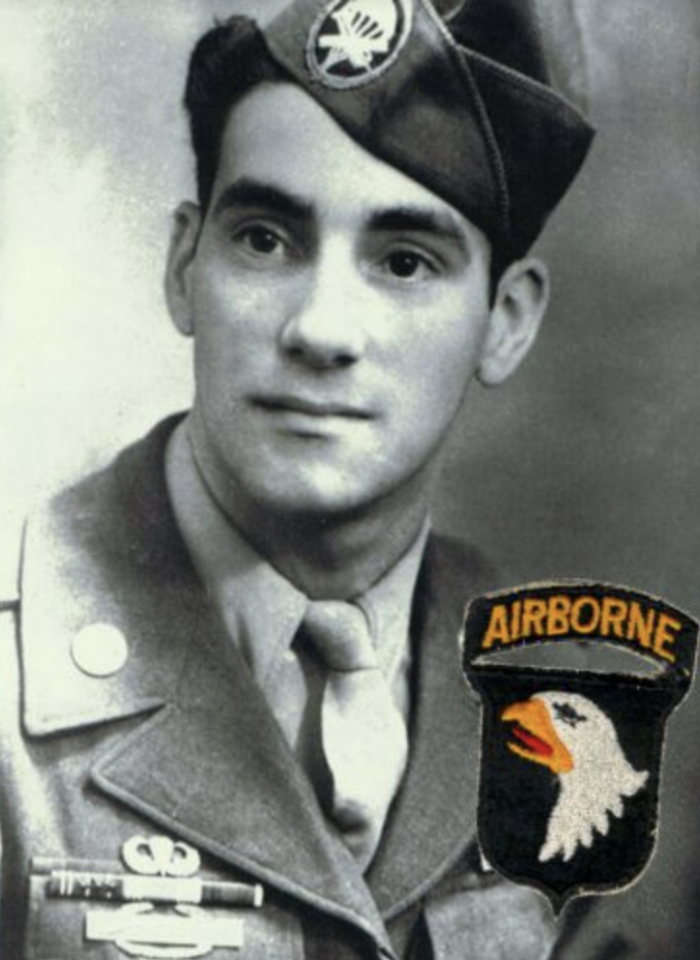
Vincent Speranza served in the US Army with the 101st Airborne Division. During the Battle of the Bulge, he delivered beer to his wounded comrades using his helmet as a pitcher. Although he passed away in 2023, visitors can hear Speranza's stories firsthand through the Voices from the Front interactive oral history experience.
M1 Helmet and Liner of Private First Class Edward Sabo
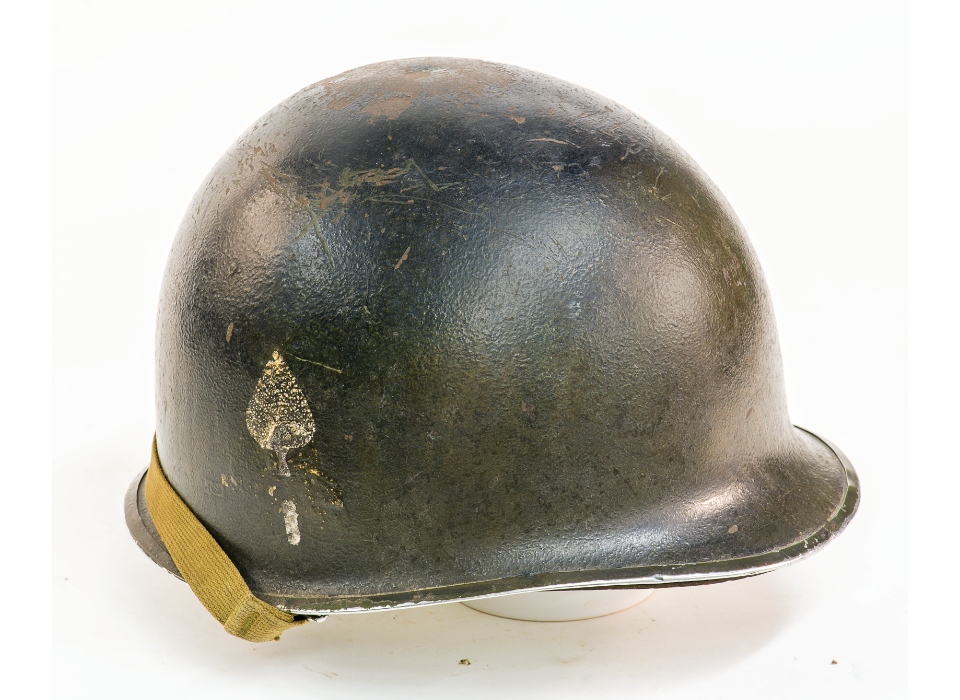
This helmet belonged to Edward Sabo of Easy Company, 506th Parachute Infantry Regiment, 101st Airborne Division. Regiments in the 101st used the four suits from a deck of cards to distinguish them. Painted with the 506th’s recognizable spade insignia and Sabo’s name, this is a rare piece in the Museum’s collection that helps preserve the legacy of paratroopers who jumped into enemy territory on D-Day.
First Lieutenant Wallace Strobel’s M1911A1 and Holster
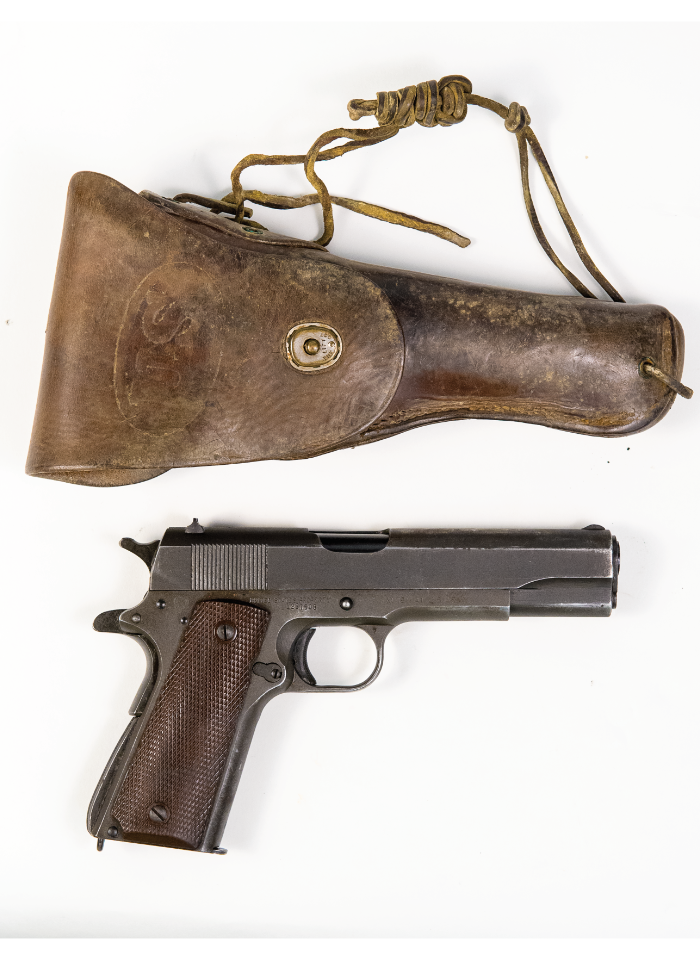
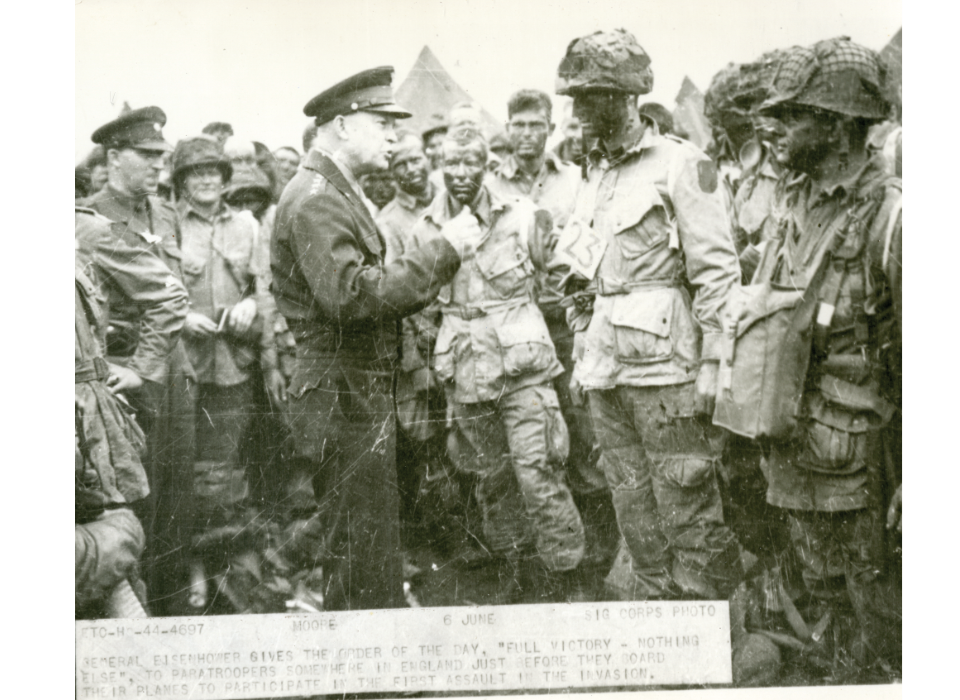
Few handguns are as iconic as the 1911, the standard-issue sidearm for the US Armed Forces from 1911 to 1985. This one belonged to First Lieutenant Wallace Strobel, a paratrooper in Company E, 502nd Parachute Infantry Regiment, 101st Airborne Division. Strobel features prominently in the iconic photograph of General Dwight D. Eisenhower speaking to a group of paratroopers on June 5, 1944, the eve of D-Day—and Strobel’s 22nd birthday. He likely jumped into Normandy on D-Day with this weapon as his sidearm.
German Gravity Knife Captured by Sergeant Paul Rogers
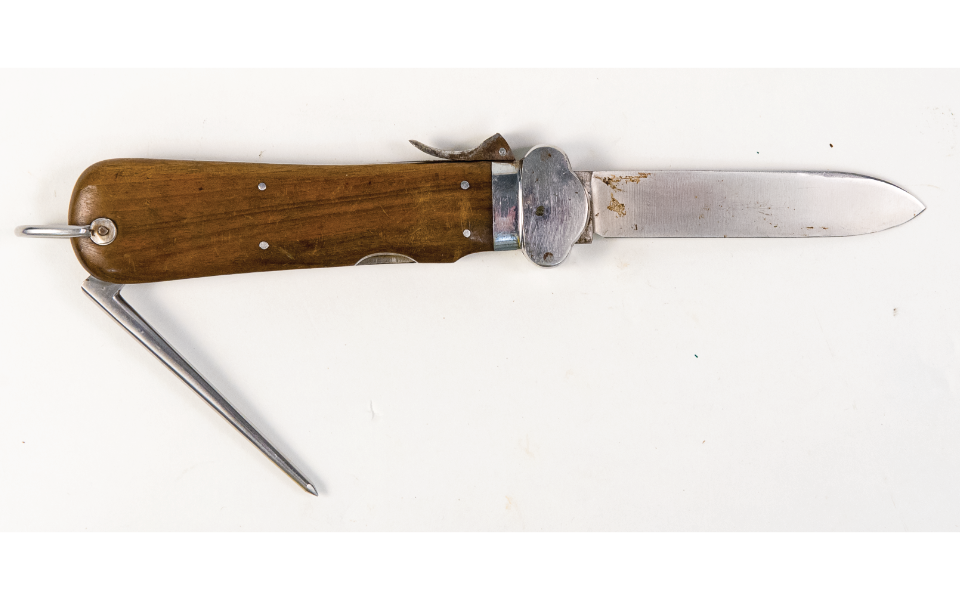
The Flieger-Kappmesser (the “flyer’s cutting knife”), the German counterpart to the American M2 paratrooper’s knife, was a desirable war trophy for American airborne soldiers. This one was captured by Easy Company paratrooper Paul Rogers. Rogers was the third man to jump from his plane on D-Day, landing near Sainte-Mère-Église and spending eight days fighting alongside members of the 82nd Airborne Division. He was later wounded during Operation Market Garden and sent to England for treatment before rejoining his company in the Battle of the Bulge.
US FREEDOM PAVILION: THE BOEING CENTER
The Museum’s Medal of Honor wall and interactive exhibit on Level 2 pay tribute to the 473 Recipients of the nation’s highest honor, including these 101st Airborne members.
Lieutenant Colonel Robert Cole
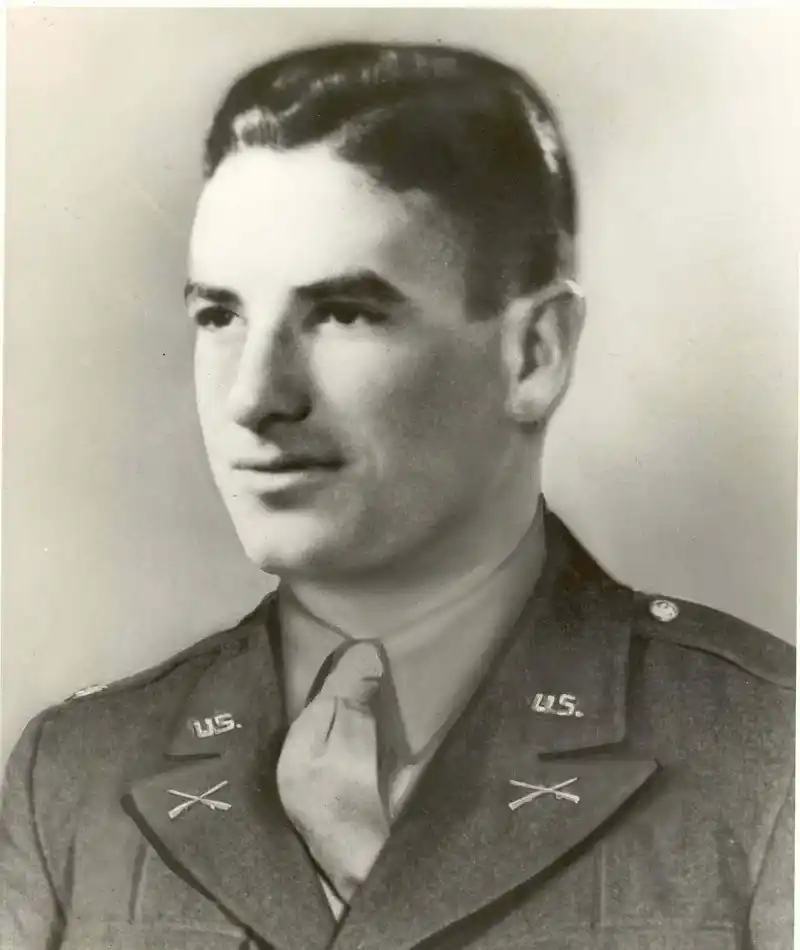
Lieutenant Colonel Robert G. Cole (1915–1944) graduated from the US Military Academy at West Point in 1939 and joined the 101st Airborne Division in 1942. As commander of the 3rd Battalion, 502nd Parachute Infantry Regiment, Cole led his men during the D-Day landings and Normandy Campaign. On June 11, 1944, near Carentan, France, he personally led a bayonet charge across open ground against entrenched German forces, breaking the enemy line and securing a critical objective. He was killed by enemy sniper fire on September 18, 1944, during Operation Market Garden. For his extraordinary heroism and leadership at Carentan, Cole was posthumously awarded the Medal of Honor and is remembered as one of the 101st Airborne’s most distinguished combat leaders.
Private First Class Joe Mann
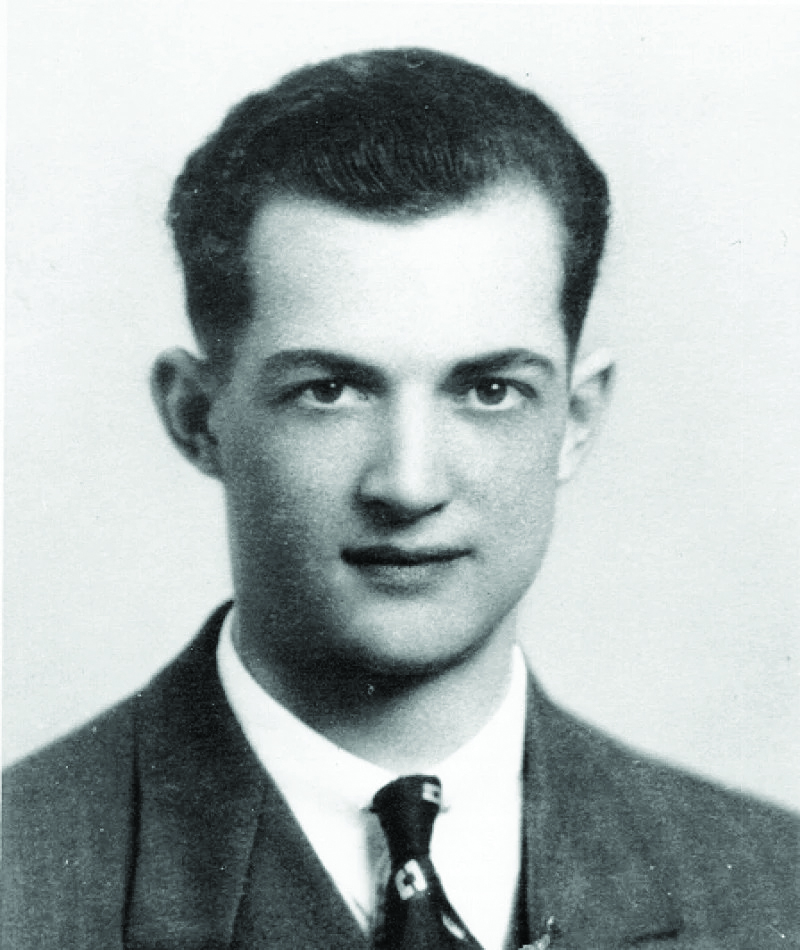
Private First Class Joe Mann (1922–1944) joined the US Army in 1942 and became a paratrooper with the 101st Airborne Division’s 502nd Parachute Infantry Regiment, serving during Operation Market Garden in the Netherlands. On September 19, 1944, while defending his unit near Best, Mann repeatedly exposed himself to enemy fire to protect his fellow soldiers and was wounded in the process. The next morning during a German attack, he threw himself on a grenade that had landed among his comrades, selflessly sacrificing his life to save others. He received the Medal of Honor posthumously for this extraordinary act of heroism, which continues to be honored in both the United States and the Netherlands.
CAMPAIGNS OF COURAGE: ROAD TO BERLIN
'Battered Bastards of Bastogne’ Souvenir Nazi Flag
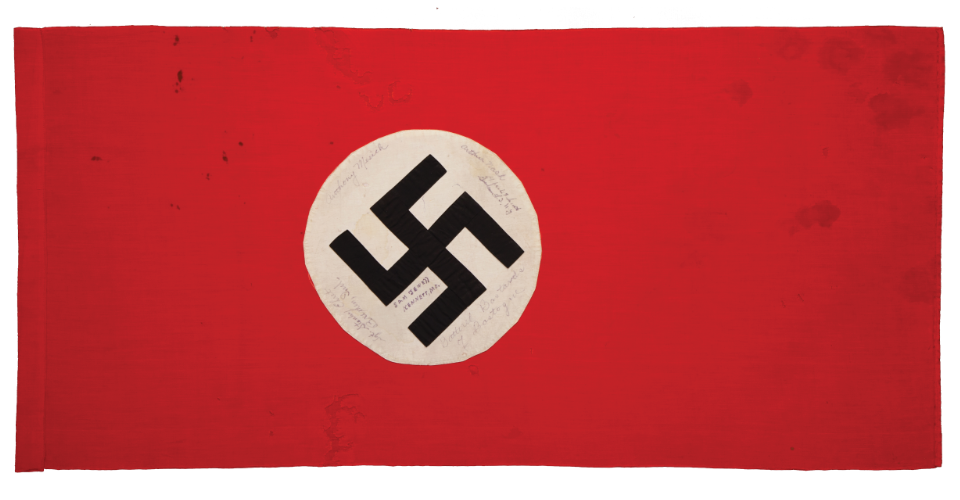
This Nazi flag on display in the Battle of the Bulge gallery was signed by some of the 101st’s “Battered Bastards of Bastogne.” On it are the signatures of Anthony Mesich; Sergeant Stanley Ehret of Bremen, Indiana; Sam Jewell of Kennet, Missouri; Arthur Nash; and Lieutenant Leslie Schultz of Greenlawn, New York.
German Leather Map Case Captured by Sergeant Paul Rogers
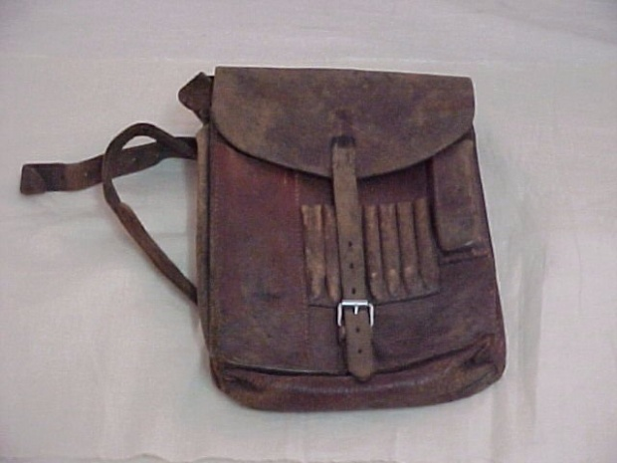
Also on display in the Battle of the Bulge gallery, this map case was captured by Paul Rogers of Easy Company in the town of Foy, Belgium, during a counterattack by the 506th Parachute Infantry Regiment, 101st Airborne Division.
The National WWII Museum is proud to celebrate the 25th anniversary of Band of Brothers with a special two-day symposium featuring members of the cast and creative team behind HBO’s epic miniseries. Click here to learn more.

Kim Guise
Kimberly Guise holds a BA in German and Judaic Studies from the University of Massachusetts Amherst. She also studied at the Universität Freiburg in Germany and holds a masters in Library and Information Science (MLIS) from Louisiana State University. Kim is fluent in German, reads Yiddish, and specializes in the American prisoner-of-war experience in World War II.
Cite this article:
MLA Citation:
APA Citation:
Chicago Style Citation: