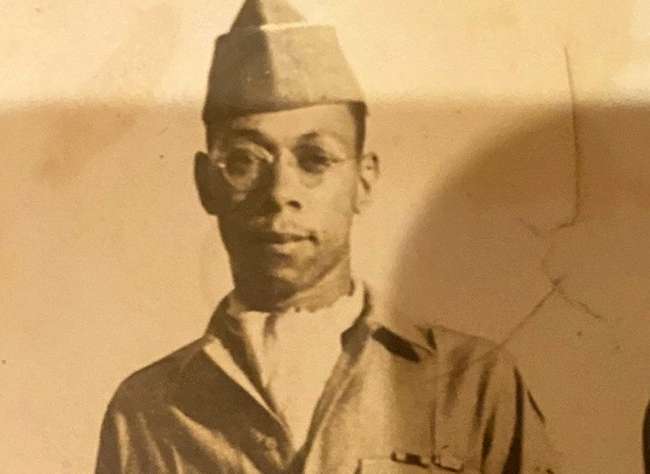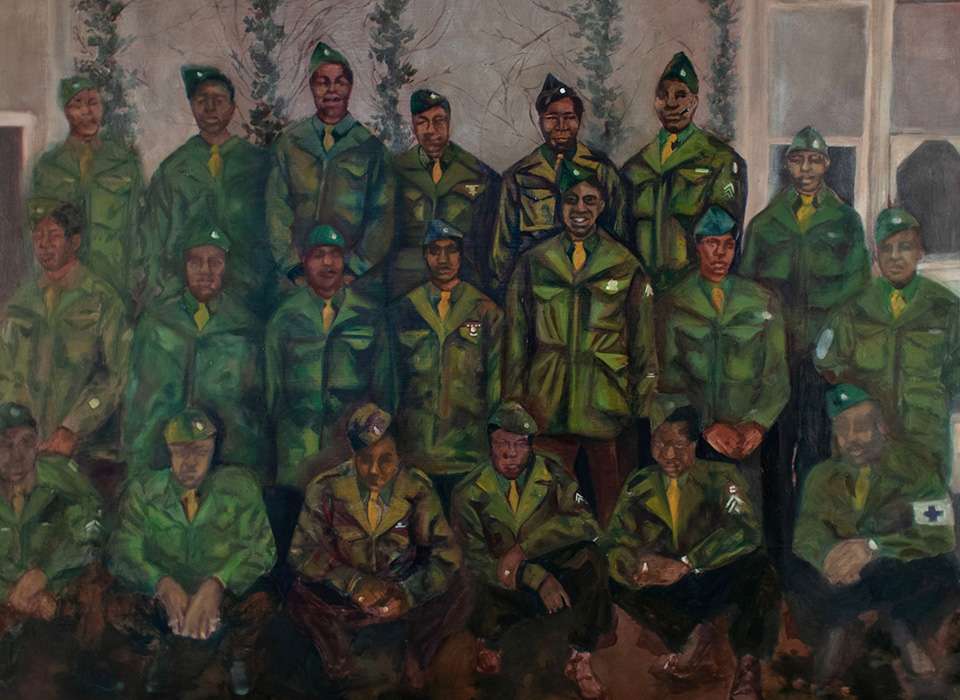
Top Photo: Painting by Trinity Smith, a senior at New Orleans Center for the Creative Arts, depicting her great-grandfather with his unit during World War II. Trinity recently earned the prestigious Dovey Johnson Roundtree Presidential Scholarship to attend Spellman College as well as the Herb Jones Excellence Award courtesy of Herb Jones and the New Orleans Pelicans.
When thinking about how World War II overlaps with Black history, we can think about millions of Black men and women who served in the US Armed Forces or contributed to the Home Front workforce, as well as the contemporaneous civil rights advocacy and achievements of that era. In 1942, the Black Press introduced the idea of a Double Victory campaign, or “Double V,” advocating for the defeat of Nazi Germany and fascism abroad and an end to segregation and racism at home.
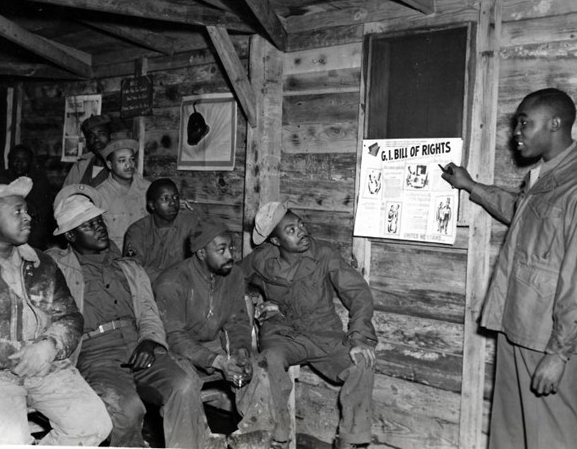
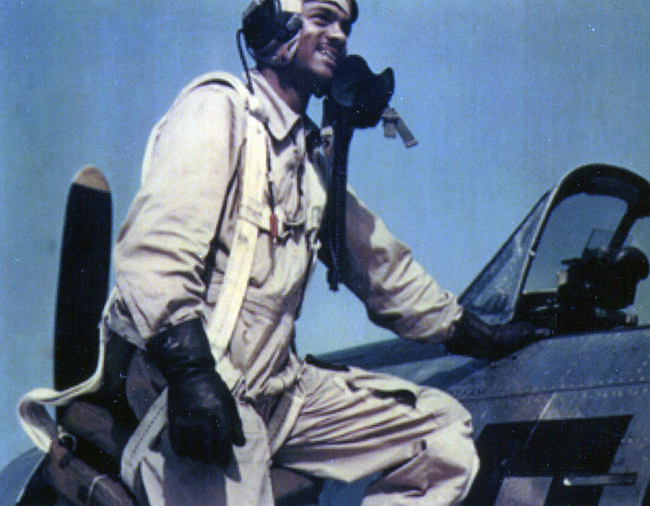
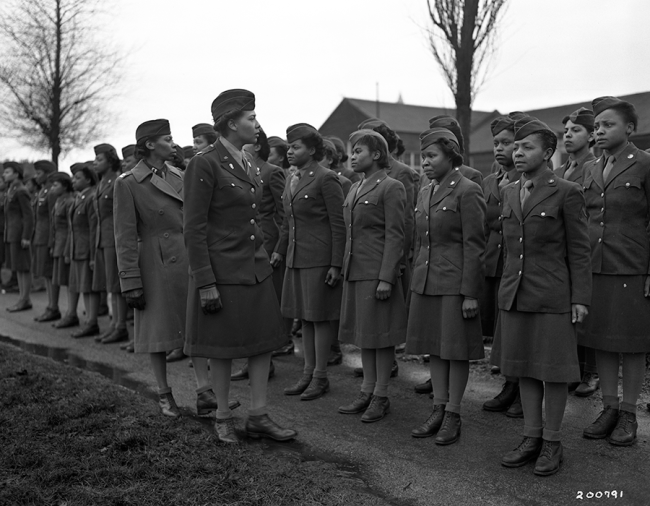
Over a million Black Americans served in World War II on every front and in every branch of the Armed Forces. The famous Tuskegee Airmen were "the first African American military pilots [...] to engage in combat, and to shoot down enemy aircraft.” We can also thank the 761st Tank Battalion, whose motto was “Come Out Fighting”; the 92nd Infantry Division, nicknamed “Buffalo Soldiers”; and thousands of additional Black volunteer infantry platoons and Black women who served—including the now famous 6888th Central Postal Directory Battalion for their service.
Black Americans (like the Rosie the Riveters in the documentary Invisible Warriors) were invaluable to American military manufacturing, and the opportunities they had access to also created social change. Rosa Parks, who worked as a seamstress at Maxwell Air Field in Montgomery, Alabama, credited her time working there with showing her a less racially restricted life, including the ability to ride anywhere on the bus while on the base. In her autobiography, she wrote: “I guess you could say Maxwell opened my eyes to the ugliness of Jim Crow.”
Understanding Black history during World War II also helps us understand how the Civil Rights Movement continued to build momentum, from the Double V campaign to the patriotism of Civil Rights Movement leaders. Medgar Evers, Hosea Williams, Ralph Abernathy, Whitney Young, Robert Brown, and Jackie Robinson are some of the iconic veterans who enlisted and then came home to fight for their rights. Many Black veterans returned home to face backlash after serving their country. For example, the terrifying assault of Sergeant Isaac Woodard in 1946 left the decorated veteran of the Pacific theater blind; the outrage over the incident ultimately led to the first presidential commission on civil rights, as well as President Harry S. Truman’s 1948 executive order to end segregation in the Armed Forces.
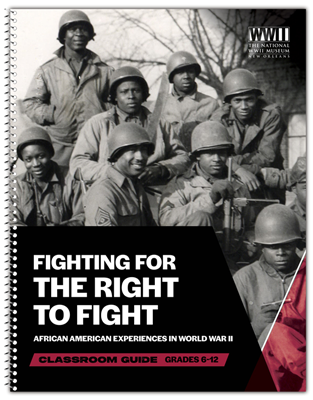
The National WWII Museum’s Curriculum Guide for teaching African American Experiences in World War II
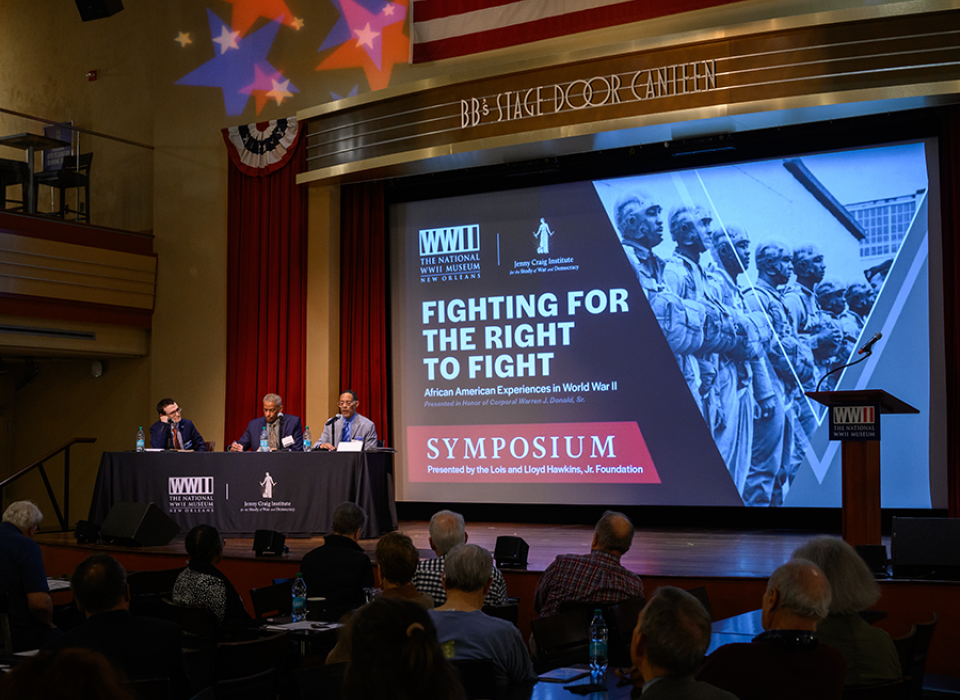
To dive deeper into some of these topics with students, The National WWII Museum created this classroom guide to correspond to its traveling exhibit, Fighting for the Right to Fight. This guide explores the significant roles, legacies, attitudes, and experiences of Black servicemembers as they fought for Double Victory. These lesson plans can be implemented as a unit or individually and can be accessed as PDFs or on Google Drive.
Highlights from The National WWII Museum's Collection
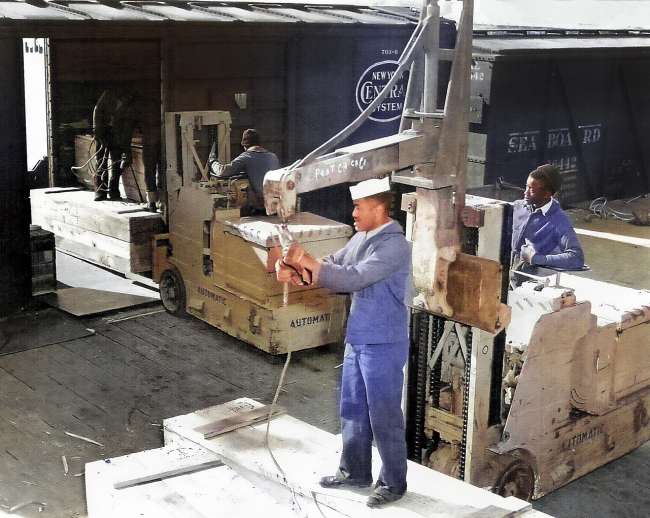
Artifacts from the traveling exhibit Fighting for the Right to Fight are shown in this video, an examination of ammunition as well as attire from the Port Chicago Disaster in 1944.
In this article, Thurgood Marshall Jr. explains that after munitions Black sailors were loading onto a cargo vessel bound for the Pacific detonated, “white officers were given hardship leaves and Black survivors were ordered to clean up the decimated base, including the remains of their dead colleagues.” When the Black sailors refused to return to unsafe work conditions, they were threatened with harsh disciplinary actions and 50 of the men who maintained their protest were court-martialed. It wasn’t until 80 years later, in 2024, that these sailors were finally exonerated.
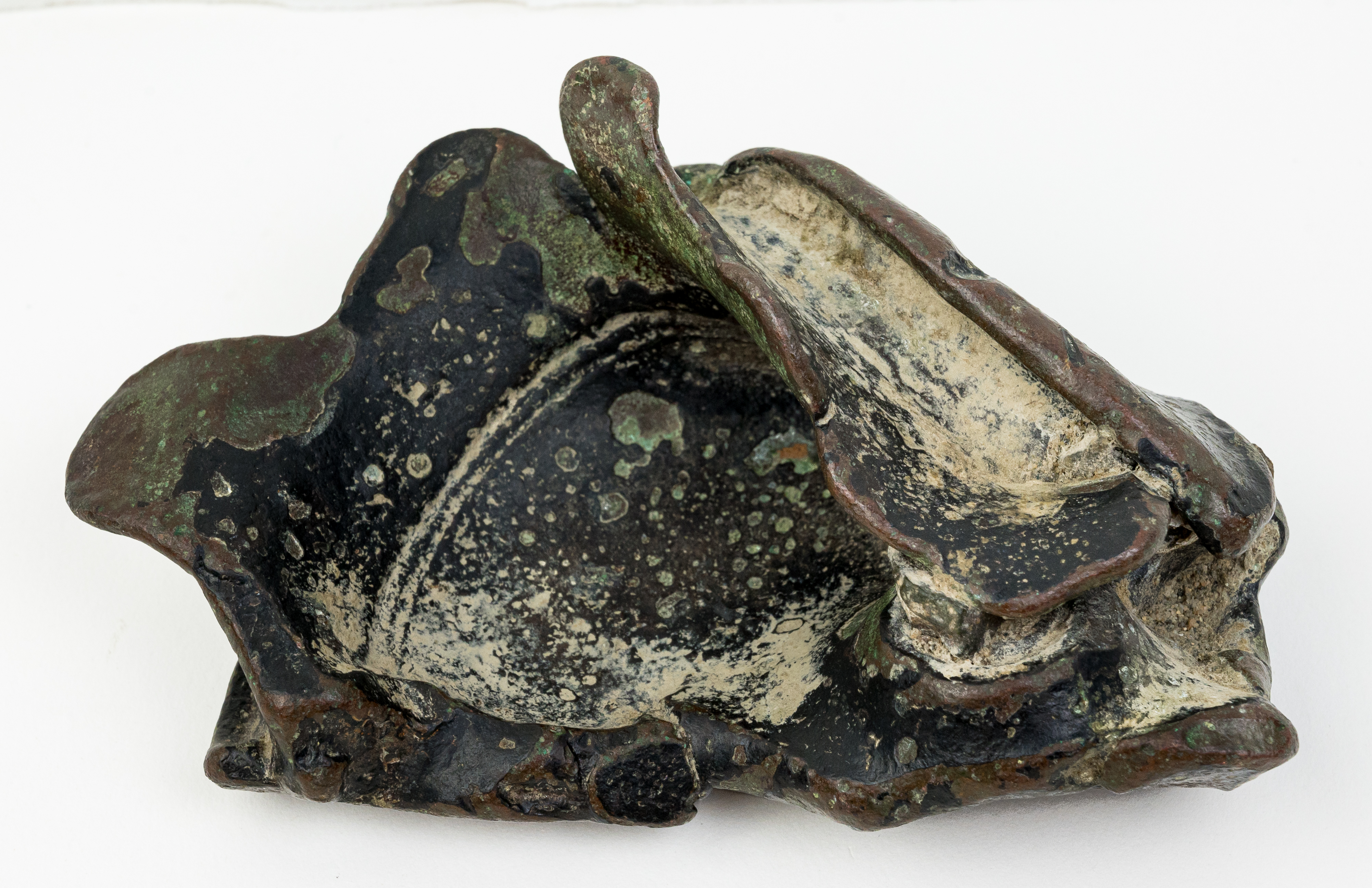
Piece of munition damaged during the Port Chicago Disaster (on loan from the Vallejo Naval & Historical Museum)
A Closer Focus on Specific Topics
- Executive Order 8802 and the March on Washington - To create a throughline for students from World War II to social movements of the 1950s and ’60s, teach how organizing for the March on Washington began in 1941 with the slogan, “We loyal Negro American citizens demand the right to work and fight for our country.” Bayard Ruston wrote that he went to work for A. Philip Randolph “in his major campaign to organize a march on Washington to press for an executive order banning segregation in defense plants.” Since President Franklin D. Roosevelt did ban discrimination in the national defense program with Executive Order 8802, the 1941 march was canceled; however, it marks the beginning of the crucial collaboration between Randolph and Rustin, the architects of the world-famous 1963 March on Washington.
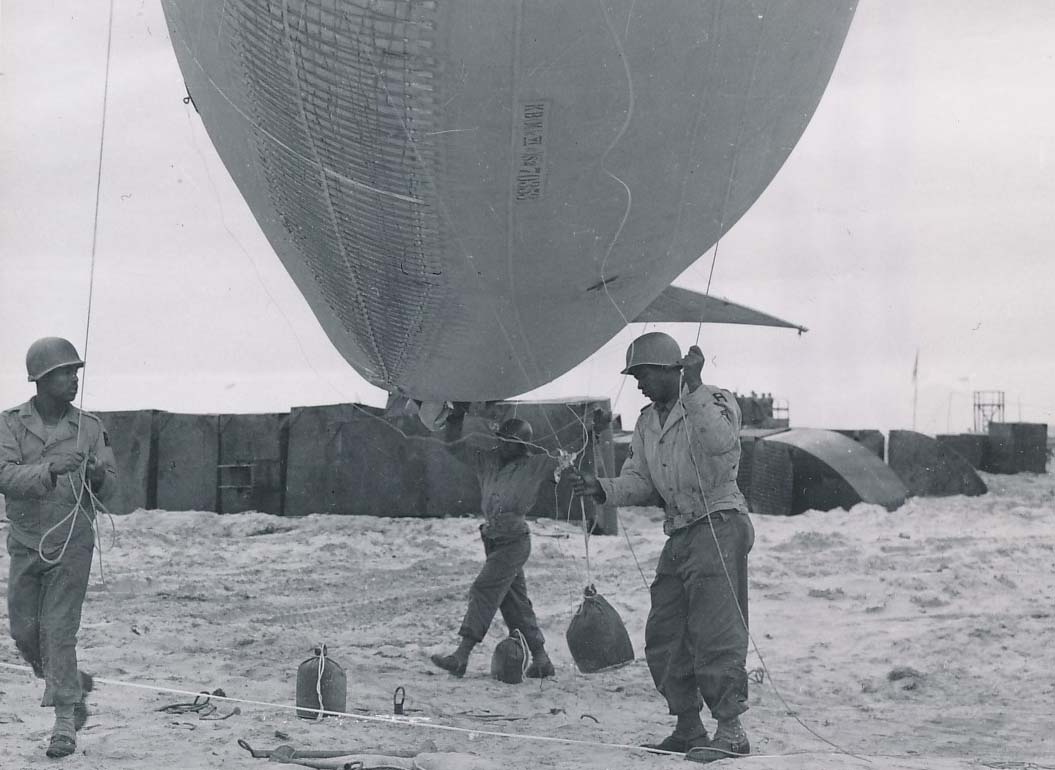
- The Stories and Legacies of Black Servicemen at Normandy - On D-Day, soldiers of the 320th Barrage Balloon Battalion landed on Omaha and Utah Beaches. Barrage balloons were an effective antiaircraft measure, and you can read more about these soldiers who “were the first African American unit to come ashore at Normandy, the first barrage balloon battalion to land in France, and one of the few units to land at both American beaches.” At the same time, the African American drivers of the Red Ball Express (the transportation system used to carry rations, gasoline, ammunition, and other vital supplies in Normandy) delivered an estimated 12,000 tons of supplies per day.
- Jim Crow Laws and the Nuremberg Laws - In the years after World War II, Holocaust survivors Anne Levy and Rita Childs were horrified by the conditions legislated by Jim Crow laws in the American South. Childs says in the video linked above: “I thought I was back in Nazi Germany. Everything was segregated.” In this article, Holocaust scholar Jacob Flaws, PhD, notes how Nazis found inspiration for the restrictions in their Nuremberg Laws from a number of sources around the world, including the institutionalized segregation in the American South, known as Jim Crow. By examining this topic, students can learn about the terrible global influence of the restrictive laws Black Americans were subject to.
Teaching and Learning Tips
When teaching Black history, employing a framework grounded in building historical empathy is essential. This strategy, which you can read more about here, is defined as “the process of understanding people in the past by contextualizing their actions.”
For this topic, this means students need to understand Jim Crow laws to understand Black American participation in the defense industry. Students need to understand the impact of segregation in the American Armed Forces to understand the significance of the achievements of Black servicemen and women. And, more joyfully, students can learn how the important contributions of Black Americans during World War II empowered many to advocate for more just and equal treatment and conditions on the Home Front.
Student Exemplar Work
Last year, for our Student Writing Contest, we asked students to compose a letter in response to James G. Thompson’s 1942 editorial letter “Should I Sacrifice to Live ‘Half American?’” from the African American newspaper The Pittsburgh Courier, which is credited with launching the Double Victory campaign.
We are proud to highlight the letter below, written by contest winner and middle school student Grant Hedgepeth**:
January 12, 2025
Dear Mr. Thompson,
It is with great pride in our country that I write to update you on the progress our nation has made since your letter in 1942. The U.S. armed forces desegregated in 1948, and today 46% of the military identify as racial minorities. In 1954, Brown vs. the Board of Education declared public school segregation unconstitutional. The Civil Rights Act of 1964, followed declaring it illegal to discriminate based on race, gender, skin color, religion or sexual orientation.
I think you would be proud to hear that our country has been shaped by great African-Americans, whose courage and conviction continue to inspire my generation today. Martin Luther King, Jr, was awarded the Nobel Peace Prize in 1964 for his leadership in civil rights and social justice. Barack Obama, our nation’s first African-American President (2009-2017), is celebrated for his transformative leadership and vision of unity. Ketanji Brown Jackson was confirmed as the first African American woman Supreme Court justice in 2022.
As a fellow African-American I am proud to attend a diverse high school, where I have never been judged by the color of my skin. However, while our nation has made significant progress, we still face challenges in access to education, wealth disparities and systemic bias. I believe you would be proud of how far we have come and hopeful that my generation will continue to push for progress. We must continue to fight until freedom and equality are a reality for all.
Sincerely,
A Concerned Student
**Please note: The National WWII Museum does not edit or censor student contest entries based on content. Any views and opinions expressed in student entries are those of the students and/or the sources cited in their projects and do not represent the views or opinions of The National WWII Museum, its donors, sponsors, supporters, partners, or affiliates.
Annie Preziosi
Annie Preziosi is the Curriculum Development Specialist at The National WWII Museum.
Cite this article:
MLA Citation:
APA Citation:
Chicago Style Citation: