Related Content
-
 Article Type
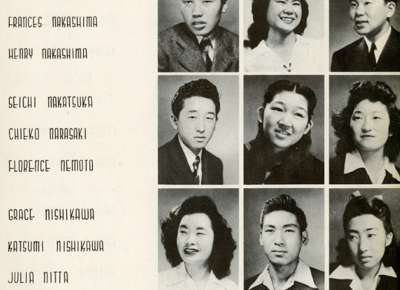
High School Life at Rohwer War Relocation Center
Learn MoreRohwer War Relocation Center in McGehee, Arkansas, was created to educate the children of Japanese American descent who were forced from their homes along the West Coast of the United States and required to live behind barbed wire for the duration of WWII, far from the homes they knew.
-
Article Type
The Double V Victory
Learn MoreDuring World War II, African Americans made tremendous sacrifices in an effort to trade military service and wartime support for measurable social, political, and economic gains. As never before, local black communities throughout the nation participated enthusiastically in wartime programs while intensifying their demands for social progress.
-
Article Type
The Home Front
Learn MoreWhen we think of World War II, the first images that enter our minds usually involve battle: armies fighting their desperate struggles on land, huge navies patrolling the oceans, and aircraft soaring sleekly overhead.
-
Article Type
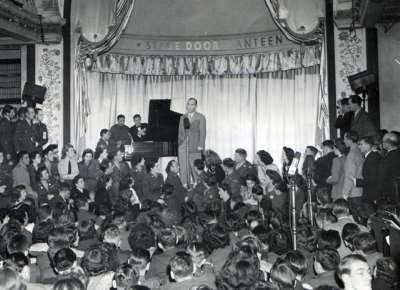
The Original Stage Door Canteen
Learn MoreWhere could a GI enjoy the best big bands, dance with the ladies, and rub elbows with the likes of Marlene Dietrich? Only at the Stage Door Canteen.
-
Exhibit
Malcolm S. Forbes Rare and Iconic Artifacts Gallery
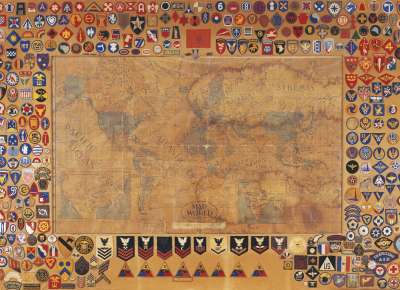
Learn MoreThe newly renovated Malcolm S. Forbes Rare and Iconic Artifacts Gallery provides a new opportunity for the Museum to highlight hidden gems from its vast collection of more than a quarter of a million objects and a wealth of archival materials and oral histories—only a small percentage of which can be displayed at any one time.
-
Article Type
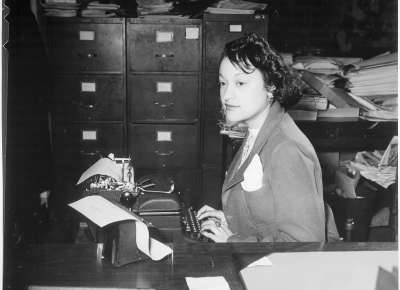
Gender on the Home Front
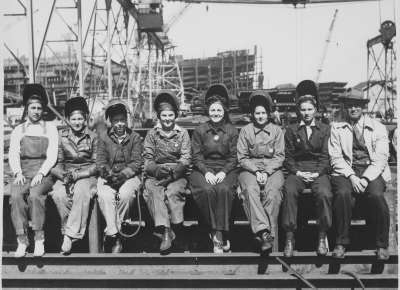
Learn MoreWartime needs increased labor demands for both male and female workers, heightened domestic hardships and responsibilities, and intensified pressures for Americans to conform to social and cultural norms.
-
Article Type
The Four Freedoms
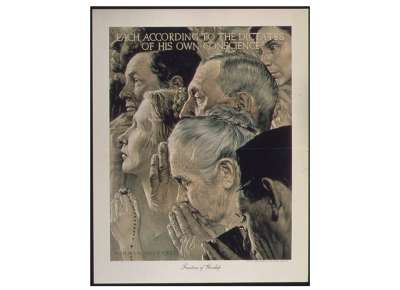
Learn MoreIn January of 1941, President Franklin Delano Roosevelt outlined a vision of the future in which people the world over could enjoy four essential freedoms. This vision persisted throughout World War II and came to symbolize the ideals behind the rights of humanity and the pursuit of peace in a postwar world.
-
Article Type
Japanese American Incarceration
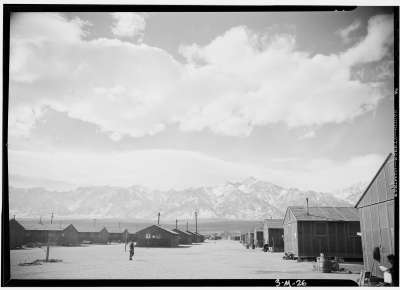
Learn MoreAt the time of the Japanese attack on Pearl Harbor in 1941, about 120,000 persons of Japanese ancestry lived on the US mainland, mostly along the Pacific Coast. About two thirds were full citizens, born and raised in the United States. Following the Pearl Harbor attack, however, a wave of antiJapanese suspicion and fear led the Roosevelt administration to adopt a drastic policy toward these residents, alien and citizen alike.
-
Article Type
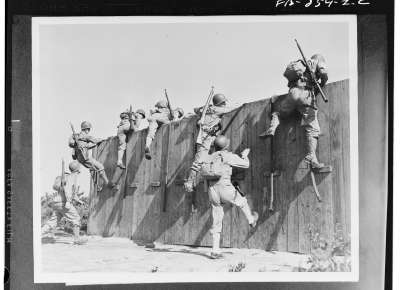
Training the American GI
Learn MoreAs the United States prepared for war, military leaders had a long list of needs—guns, tanks, ships, and equipment of every kind. One of the things they needed most of all, however, was people.
-
Exhibit
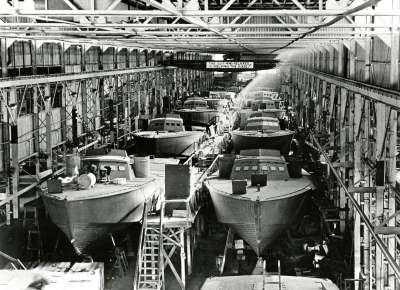
Bayou to Battlefield: Higgins Industries during World War II
Learn MoreA new permanent exhibit celebrating Higgins Industries and its charismatic leader, Andrew Jackson Higgins.
-
Exhibit
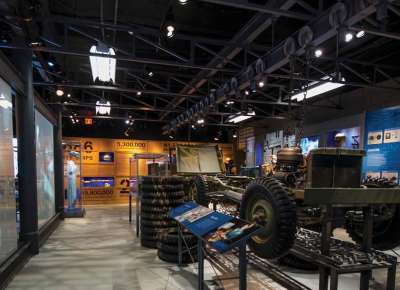
The Arsenal of Democracy
Learn MoreOpened June 2017 in the Louisiana Memorial Pavilion, The Arsenal of Democracy: The Herman and George R. Brown Salute to the Home Front tells the story of the road to war and the Home Front, drawing on personal narratives and evocative artifacts to highlight facets of WWII-era American life through an experiential narrative.
-
Exhibit
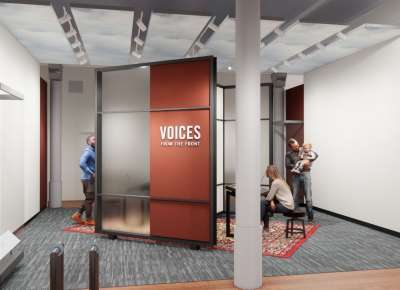
Voices from the Front
Learn MoreVoices from the Front is a new interactive experience at The National WWII Museum that helps visitors connect with the WWII generation in a high-tech yet personal way. By using cutting-edge technology to facilitate real-time interactions with more than a dozen veterans, Home Front workers, Holocaust survivors, and other witnesses to the war through interactive video displays, Voices from the Front puts real faces to history. Combining artificial intelligence technology and a repository of prerecorded answers to hundreds of questions, the experience provides visitors with authentic and unaltered answers in each interviewee’s own words and voice.