Article Type
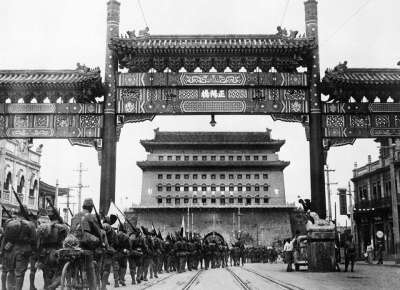
The Road to Pearl Harbor: The Long Fuse
Major events are often rooted deeply in the past—the “long fuse” that leads to explosions.
Major events are often rooted deeply in the past—the “long fuse” that leads to explosions.
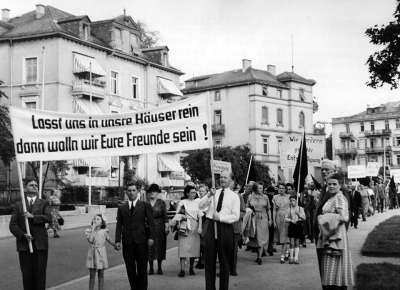
Three groups were at the heart of post-war German fears of revenge: Jewish Holocaust survivors, Eastern European Displaced Persons, and American occupation officials.
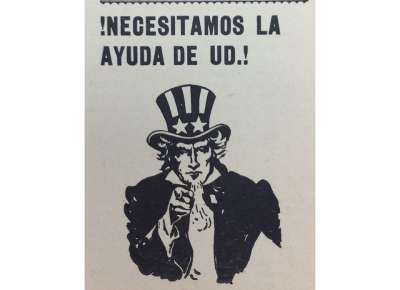
During the war, Mexican Americans served in the military and worked on the Home Front to support their country, and when it ended, were no longer willing to accept second-class citizenship.
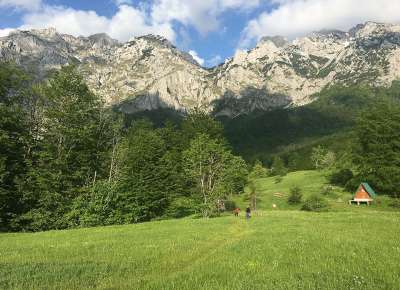
This essay offers some ways of thinking about how to make sense of the complicated post-war moment through the case of Yugoslavia.
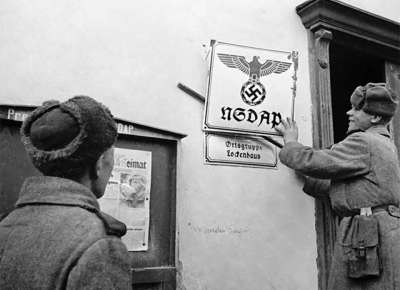
How Soviet occupation policy in Austria took shape warrants more attention.
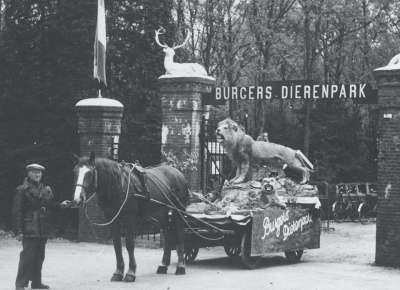
This article examines how World War II marked an important moment in the political history of modern zoos.
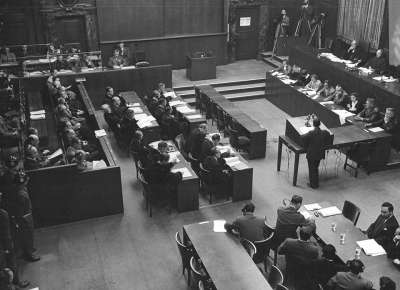
To ensure that “justice” was done at Nuremberg, American occupation officials set German war criminals free decades ahead of schedule.
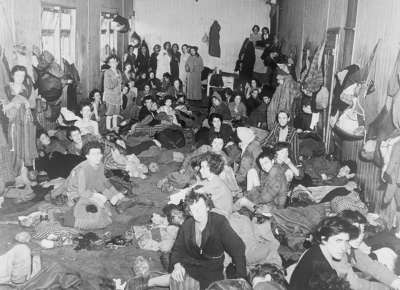
When the war in Europe ended in the spring of 1945, Romani survivors were scattered, exhausted, and traumatized.
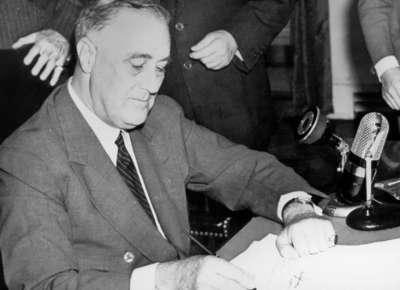
World War II shaped conversations on the future of service including universal military training and conscription.
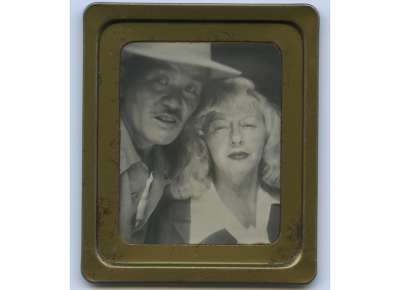
Arthur and Estelle Ishigo navigated post-WWII life in California as an interracial couple after leaving the Heart Mountain “Relocation Center.”