Jazz in the Late 1940s: American Culture at Its Most Alluring
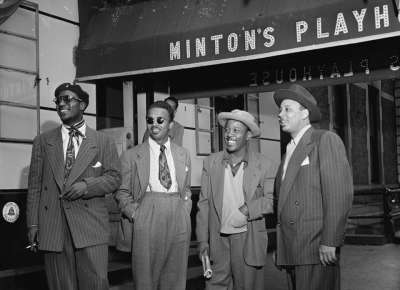
Jazz in the late 1940s moved away from big band jazz and morphed into a new expressive form that reflected social developments and postwar realities.
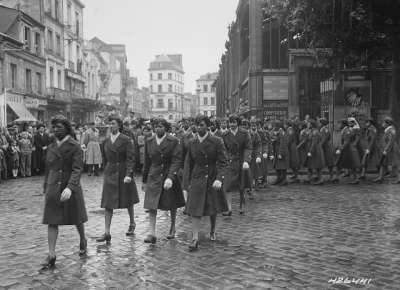
Just when you thought that most of the stories of the legendary all-black female military unit from World War II had been told, along comes the recent discovery that 14 of the 855 women from the “Six Triple Eight” have a final resting place at America’s most hallowed grounds, Arlington National Cemetery.
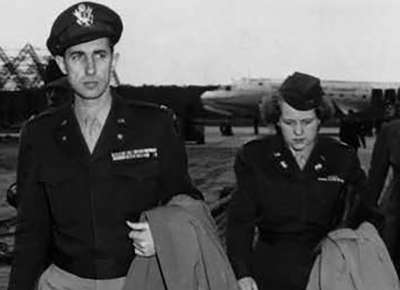
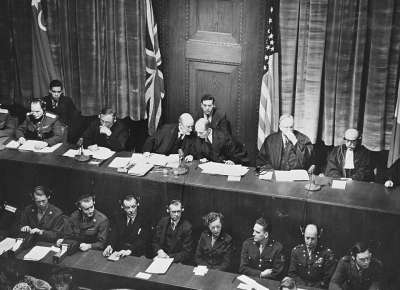
American jurists in occupied Germany developed international law with the concept of crimes against humanity, then grappled with its meaning.
Part III of the story of the Hesse Heist tells the story of the discovery and theft of the jewels.
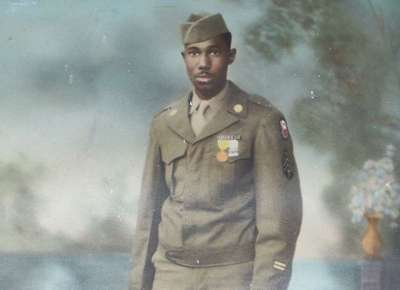
This article looks at the experiences of four Black GIs—two in the European theater and two in the Pacific theater—in the Quartermaster Corps, the Army’s chief logistics branch.
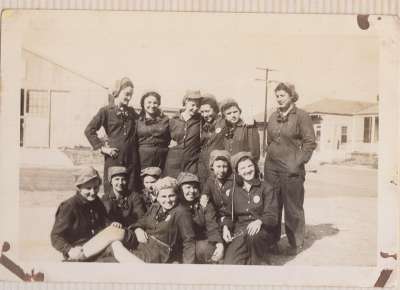
Mildred Aupied seized the opportunity for new skills and a better wage as a welder at Delta Shipbuilding Company.
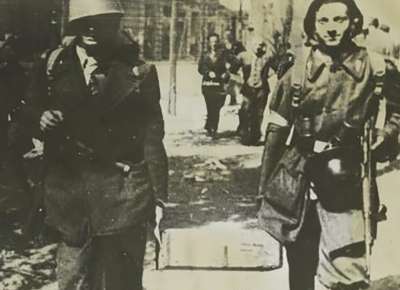
The Polish Home Army’s plan to launch a series of uprisings throughout Poland during the Soviet Union’s summer offensive in 1944 had important consequences for how the Warsaw Uprising unfolded.
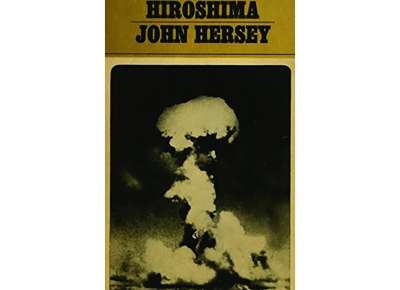
Seventy-five years ago, journalist John Hersey’s article “Hiroshima” forever changed how Americans viewed the atomic attack on Japan.
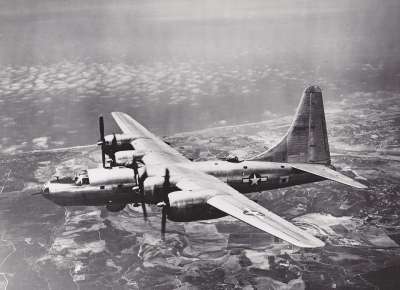
This little-known aircraft was part of the last air battle of World War II.
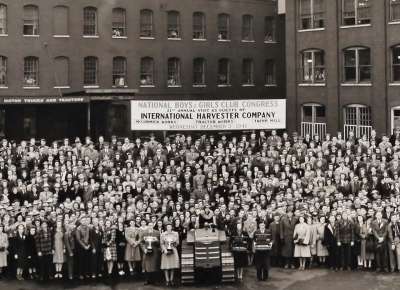
During World War II, 4-H members contributed to the war effort in many ways—through military service, as well as efforts on the home front.