Article Type
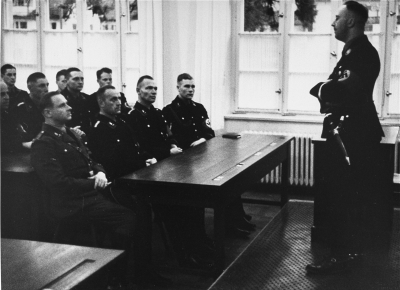
The Exterminationist Mindset: Heinrich Himmler’s October 1943 Speeches
In October 1943, SS leader Heinrich Himmler gave two speeches, showing the full depravity of the exterminationist mindset.
In October 1943, SS leader Heinrich Himmler gave two speeches, showing the full depravity of the exterminationist mindset.
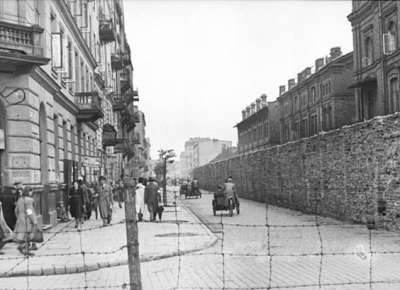
The creation of ghettos during World War II was a key part of Nazi plans to brutally persecute, separate, and eventually liquidate Europe’s Jewish population.
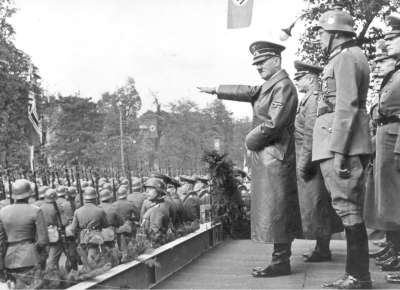
From the beginning, this was to be a different kind of war—a war not only of conquest but also of annihilation.
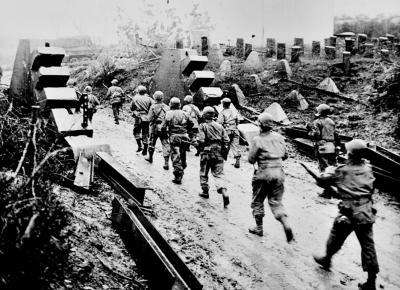
In a lesser-known operation that presaged the horrors of the deadly Battle of Hürtgen Forest, the XIX Corps broke through the Siegfried Line north of Aachen, Germany, in October 1944.
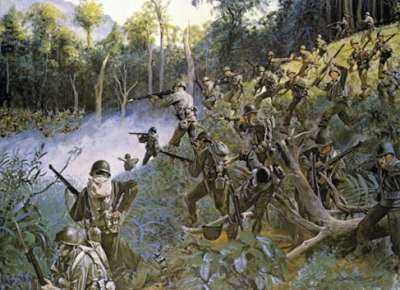
“No greater fighting combat team has ever deployed for battle,” General Douglas McArthur noted after the war of the 158th Infantry Regiment “Bushmasters,” which was made up predominantly of Mexican Americans and members of the Pima and Navajo tribes from Arizona.
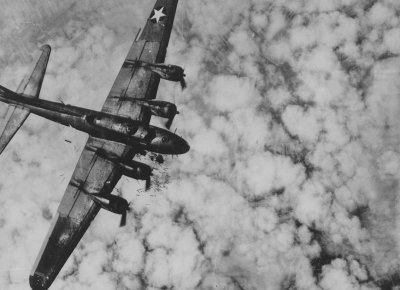
In the span of only a few days in October 1943, the US Army Air Forces was forced to reconsider its entire strategic bombing endeavor in the European theater.

Prior to World War II, there was a thriving American wristwatch industry, but it became a casualty of the war.
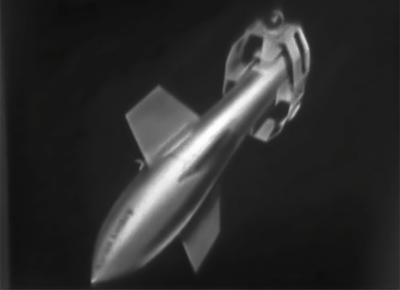
German technology surpassed the Allies' with the production of radio-guided weapons that worked in a combat environment. As early as 1943, the Henschel (Hs) 293 and the Ruhrstahl X-1 (Fritz X) were the first guided bombs employed in combat. These weapons debuted around the time of the Allied assault on Salerno and were a new concern for fleet defense.
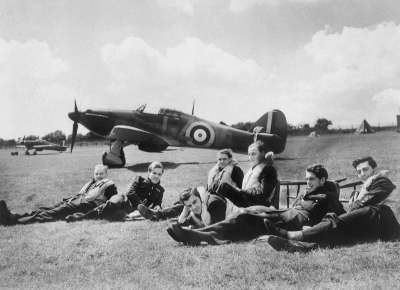
Churchill’s famous quip about the Royal Air Force’s “few” was inspirational, but Fighter Command wasn’t so few and even had several advantages.

The cascade of disasters that followed Benito Mussolini’s entry into World War II made possible a resurgence of anti-Fascism in Italy.