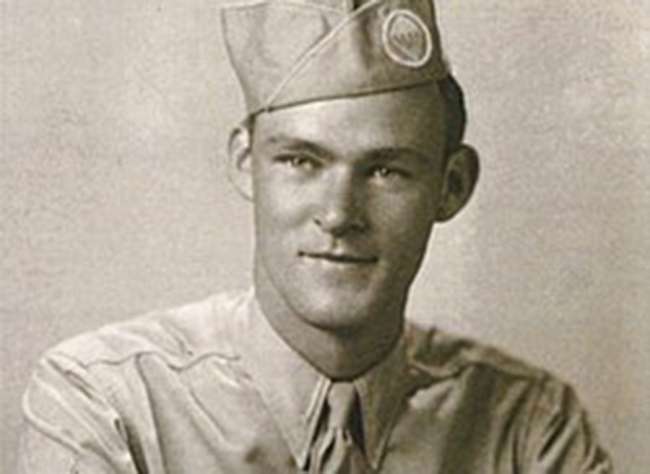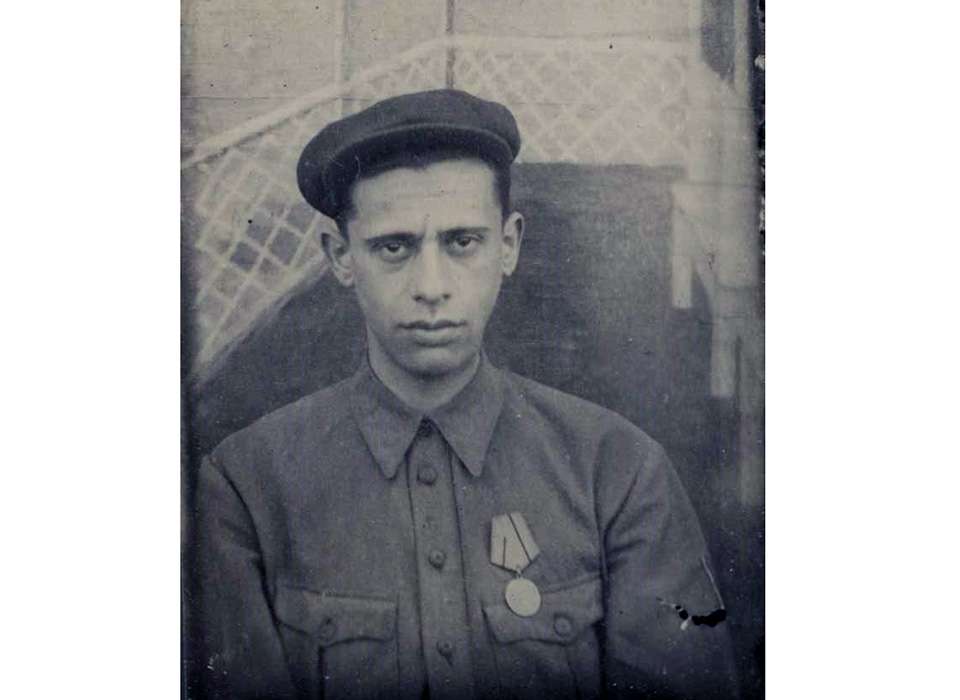
Top Photo: Boris Vetman. Gift in Memory of Boris Vetman, 2016.348
Boris Vetman was born in 1924 in Odessa, Ukraine, then part of the Soviet Union, to parents Sonia and Moishe Vetman. The Vetmans were part of Odessa’s vibrant Jewish community, whose roughly 200,000 members made up a third of the city’s population.
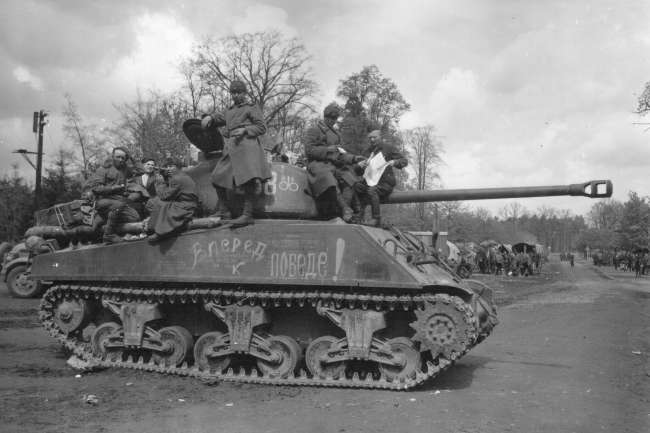
When Nazi Germany invaded the Soviet Union, Boris and his older brother Samuel volunteered to fight to defend their homeland with the Red Army. Boris was sent to artillery school for mortar training. Soon after graduating, he found himself in the middle of one of the bloodiest engagements of World War II: the Battle of Stalingrad. Boris fought on the front lines in the middle of the city at the Volgograd Tractor Plant, which later became infamous as a site of particularly fierce combat. The fighting went from building to building, floor to floor. Boris proved to be a particularly good marksman and was assigned to a sniper squad. He was often given difficult and dangerous assignments, even behind enemy lines. His Red Army superiors felt that Boris and other Jewish soldiers would give their all in a fight against an enemy who would not take them prisoner. Samuel, Boris’s brother, went missing in action, never to be recovered and with little known about his fate.
After two-and-a-half months in Stalingrad, where fighting lasted from July 1942 until February 1943 and the Soviet casualty rate was over 2,000 per day, Boris was the seniormost person in his battalion in terms of longevity. But during one relentless day of bombardment, Boris was hit by an artillery shell and nearly killed. Some thought him too badly injured to even bother evacuating to the hospital across the Volga River. His life was saved, though, when his commander pulled out his pistol and demanded the rowers transport Boris across.
Safely evacuated across the river, Boris was treated and spent the next year recuperating in a hospital in Siberia. Another chapter of his life began at the Siberian hospital as well: Boris met his wife Natalya, who was working there as a nurse after she had evacuated from Moscow. Boris kept some German souvenirs of the Battle of Stalingrad with him—the shrapnel he bore long after his extended rehabilitation.
Boris and Natalya Vetman moved back to Odessa, where they started their family and where he went to journalism school. Upon graduating, he worked in Ukraine and in Moldova (also part of the Soviet Union). Later in life, despite his veteran status, Boris faced increasing pressure from the Soviet regime because of his pro-Western views and Jewish identity. Still, he was extremely proud of his service and took part in Soviet ceremonies celebrating the victory over Nazi tyranny.
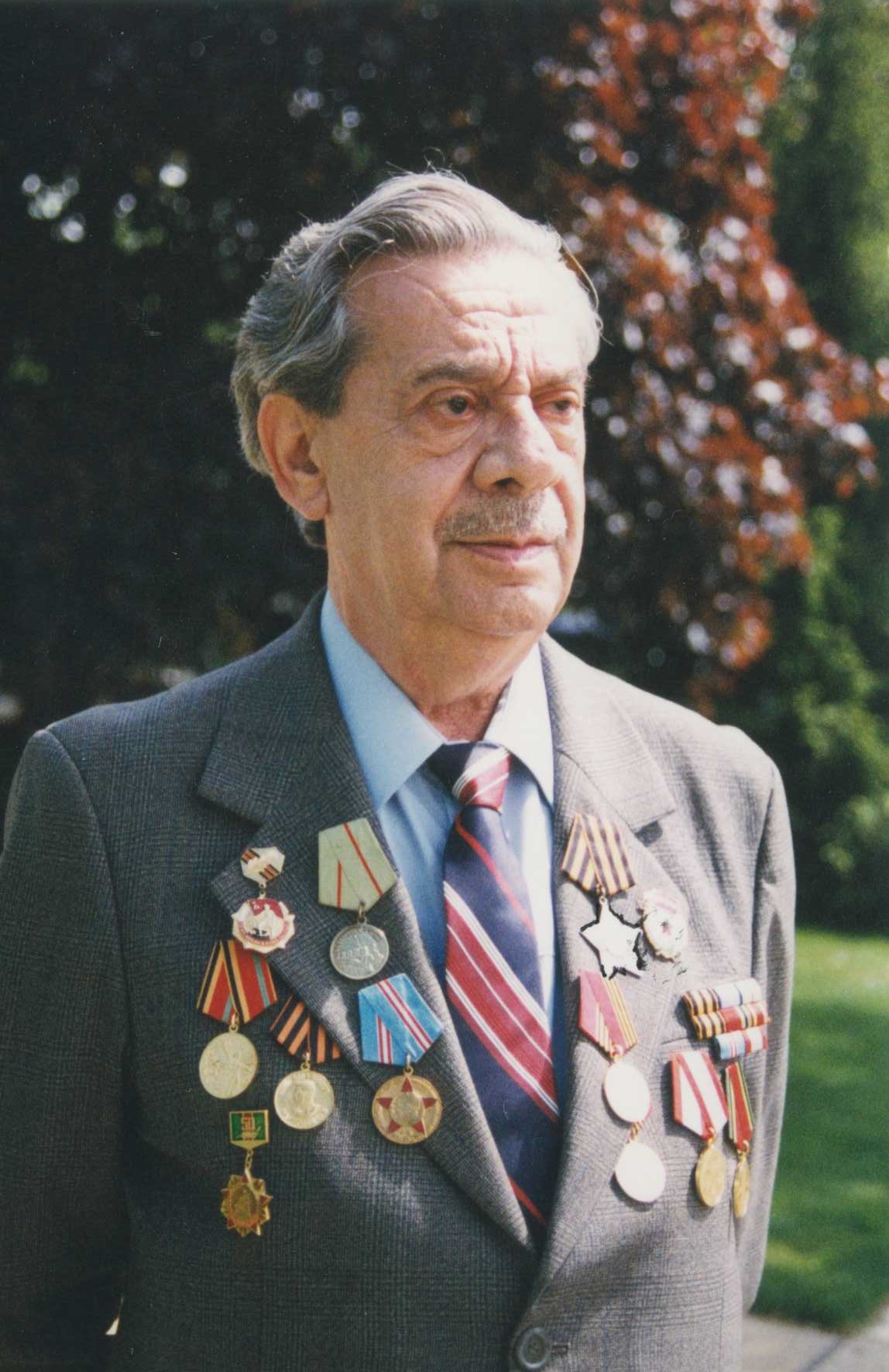
Boris Vetman. Gift in Memory of Boris Vetman, 2016.348
In 1982, the Vetman family was able to emigrate to the United States as political refugees and settled in Cleveland, Ohio. There, Boris continued to write, working in the Russian-language press. Odessan Boris Vetman, a decorated Jewish Red Army veteran and accomplished journalist became a US citizen alongside his entire family in 1988. Vetman passed away on February 11, 2004, and is buried next to his wife Natalya in their adopted home of Ohio.

Kim Guise
Kimberly Guise holds a BA in German and Judaic Studies from the University of Massachusetts Amherst. She also studied at the Universität Freiburg in Germany and holds a masters in Library and Information Science (MLIS) from Louisiana State University. Kim is fluent in German, reads Yiddish, and specializes in the American prisoner-of-war experience in World War II.
Cite this article:
MLA Citation:
APA Citation:
Chicago Style Citation: