Article Type
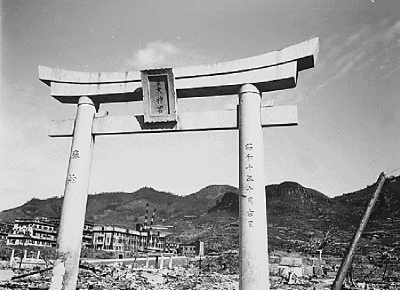
The Horribles: American Strategic Options Against Japan in 1945
American strategic options for ending the war against Japan in 1945 offered a choice of horrible possibilities.
American strategic options for ending the war against Japan in 1945 offered a choice of horrible possibilities.
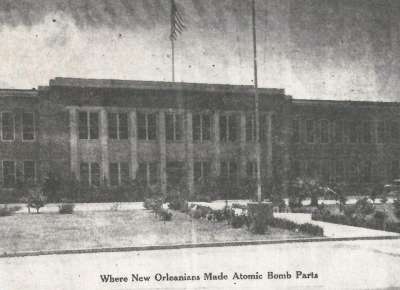
Higgins Industries is best known for the design and construction of landing craft, dubbed “the boats that won the war,” but the multi-faceted company also contributed to the most top-secret program of the war, the Manhattan Project.
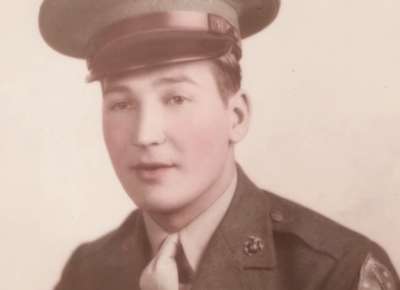
George Peto describes an uphill assault he took part in on Okinawa that ended up being his proudest day in the Marine Corps, despite the tremendous casualties his company suffered.
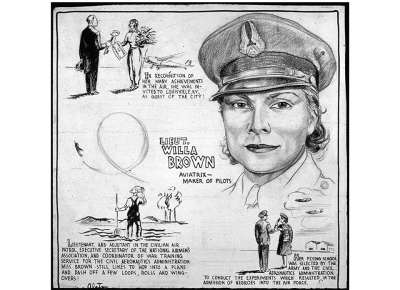
Willa Brown may not be a household name, but her accomplishments and legacy are nothing short of astounding. The first African American woman to hold a commercial pilot’s license in the United States and teacher of hundreds of future Tuskegee Airmen has a fascinating and inspiring life story.
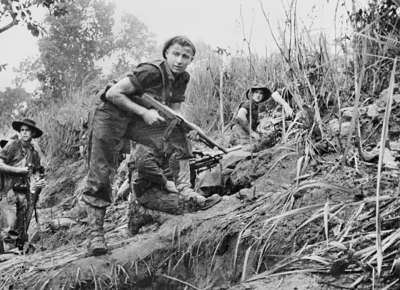
Australian forces, backed by American artillery, assaulted Japanese positions on Bobdubi Ridge in one of World War II’s bitterest campaigns.
Uniformed scouts will enjoy FREE Museum admission and reduced cost for family members all week long.
Scouts will learn about the adversity African Americans in the war effort overcame and take inspiration from their stories of courage and leadership.
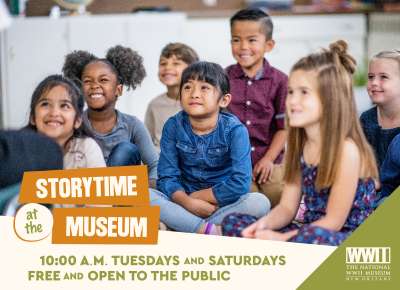
Spark your child's love of history with our WWII-themed storytime experience.