Article Type
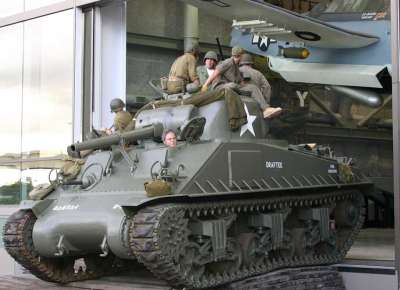
SHOP TALK: Sherman Tank Back into the Louisiana Memorial Pavilion
Read the story of restoring the Museum’s Sherman tank to operating condition.
Read the story of restoring the Museum’s Sherman tank to operating condition.
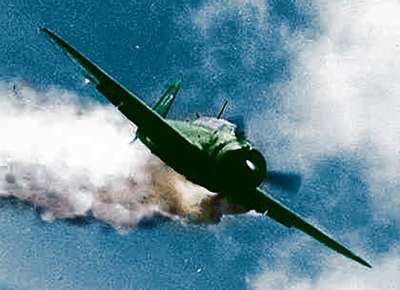
As American ground forces fought for control of Okinawa in the spring of 1945, Japanese Kamikaze pilots wreaked a grim toll on American naval forces.
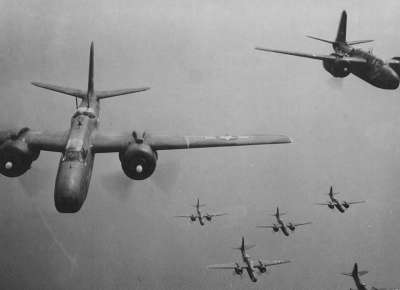
Louisiana was dotted with Army Air Fields during World War II. Most of them exist today as civilian airports, their military history long forgotten.

The roundtable discussion explores how history offers lessons for understanding the clash between individual liberties and collective effort.
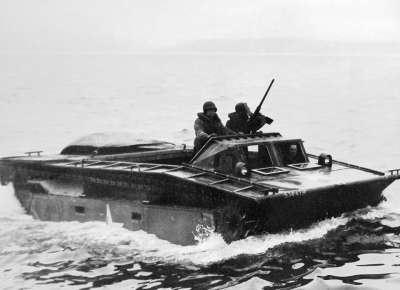
Originally designed by an eccentric engineer for hurricane rescues, it became the LVT used for armored landings in both the Pacific and European theaters.

Spark your child's love of history with our WWII-themed storytime experience.

Join us for an evening of remembrance and reflection as The National WWII Museum commemorates International Holocaust Remembrance Day and the 80th anniversary of the liberation of the Auschwitz concentration camp.

Scouts will learn to snap the perfect shot by exploring how to capture compelling images and create engaging narratives with their work.