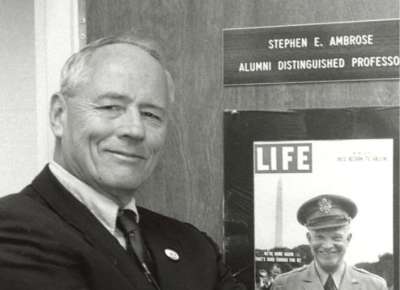
New Orleans in the Second World War
Two years after the renowned historian began planning a war museum and eight years before The National D-Day Museum opened, Ambrose delivered a lecture, “New Orleans in the Second World War.”
The Institute for the Study of War and Democracy Historians and Special Guests Discuss How WWII's Aftermath Presents Lessons for the Aftermath of the Present Crisis.
While the war provided opportunities for soldiers to foster their sense of manhood, the postwar years and peacetime preferred the husband and father ideal while also finding ways to deal with injured or psychologically traumatized veterans.
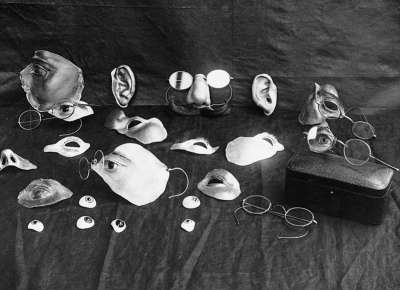
During World War II, surgeons and medical assistants created new treatments and procedures in plastic surgery that are still used in modern practice. These techniques not only improved soldiers’ physical appearance, but also their morale, by restoring their sense of pride and confidence.
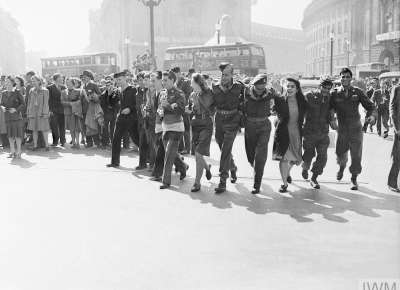
In her August 15, 1945, My Day column, Eleanor Roosevelt reflects on the mixed emotions following the announcement of peace, mourning the war’s losses while urging world leaders to use atomic energy for the benefit of all humanity and to work toward a unified, peaceful future.
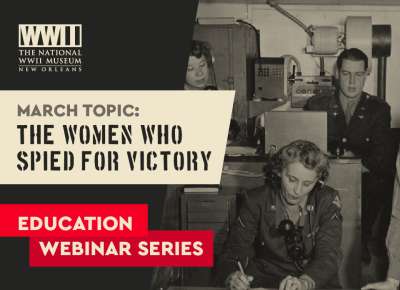
Learn more about female espionage during World War II as part of The National WWII Museum’s free education webinar series.
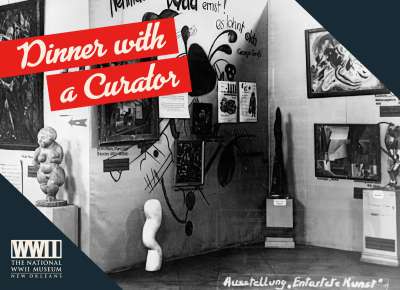
Learn more about how modern artists and musicians fueled resistance and defied Nazi oppression during World War II.
Learn more about the historical misconceptions of the Treblinka death camp and its witnesses.