Article Type
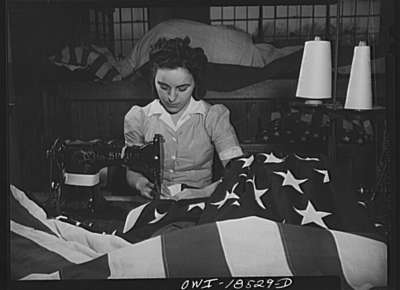
July 4, 1941: FDR's Address to the Nation
From Franklin D. Roosevelt’s perspective in the White House, democracy was under attack overseas and at home in mid-1941.
From Franklin D. Roosevelt’s perspective in the White House, democracy was under attack overseas and at home in mid-1941.
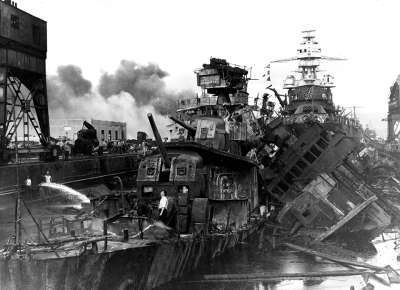
Historian Richard Frank explores the influence of China and the Soviet Union in the Japanese decision to attack American territories in December 1941.
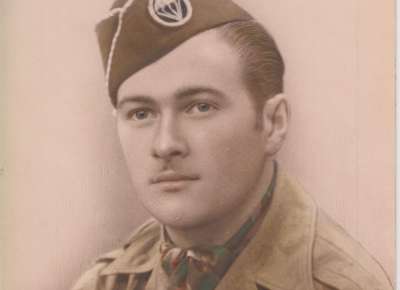
An Austrian Jew serving in the US military, Irving Becker endured discrimination from both ally and foe during World War II. He ended up a crucial part of one of the most elite Allied forces ever assembled.
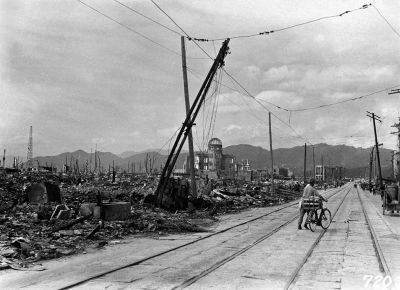
In her August 7, 1945, My Day column, Eleanor Roosevelt responds to the news of the atomic bomb’s first use against Japan, reflecting on its destructive power, the moral responsibility it imposes on humanity, and the urgent need to commit to peace in a world changed by nuclear technology.
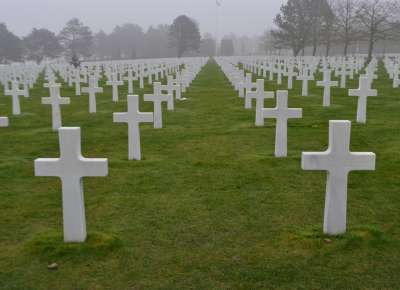
Walking the American Cemetery at Colleville-sur-Mer, imagining the unlived lives of the D-Day dead.