The Atomic Bombings
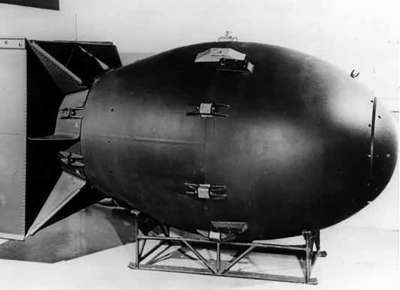
Many Americans greeted the news of the Atomic bombing of Hiroshima with jubilation. Beginning shortly after the war, however, a number of prominent US military leaders began to question the bomb's use.
Building on the popularity of last year’s event, The National WWII Museum and the Commemorative Air Force (CAF) are proud to present WWII AirPower Expo 2015 – a three-day display of WWII warbirds in action. From October 23 to 25, an expansive fleet of vintage WWII aircraft – including the only flying B-29 Superfortress – will be on-site at the New Orleans Lakefront Airport, offering close contact with the planes and pilots that liberated the skies above the Pacific and Europe.
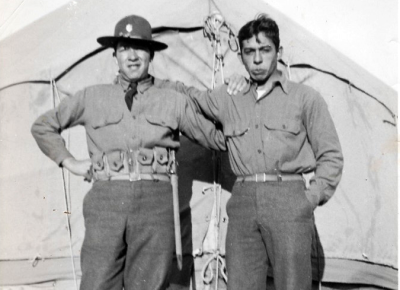
Company E far exceeded the simplistic expectations of “Americanization” that marked its beginning, and its men went on to prove what it meant to be truly American.
Julia engages with The National WWII Museum well beyond her Saturday commitment with the Victory Corps.
Iconic entertainer of the Jazz Age, famous for her risqué performances, Josephine Baker responded to the start of World War II by becoming a spy for the French Resistance. Known as the “Creole Goddess” of France, Baker used her celebrity to gain access to high-ranking Axis officials.
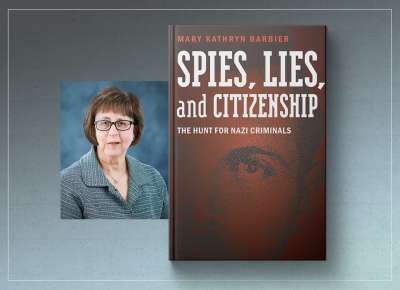
Presented by the Institute for the Study of War and Democracy with generous support from the Strake Foundation, author Mary Kathryn Barbier will be joined in conversation by Senior Historian Rob Citino to discuss her new book Spies, Lies, and Citizenship.