Article Type
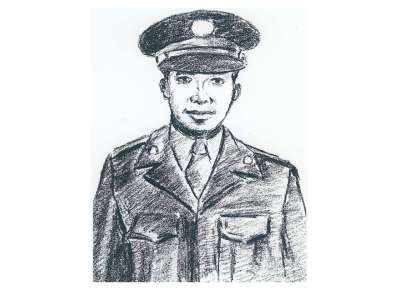
PFC Willy F. James, Jr's Medal of Honor
Willy F. James, Jr. was one of seven African Americans to receive the Medal of Honor for service in World War II, an award delayed decades by bias and discrimination.
Willy F. James, Jr. was one of seven African Americans to receive the Medal of Honor for service in World War II, an award delayed decades by bias and discrimination.
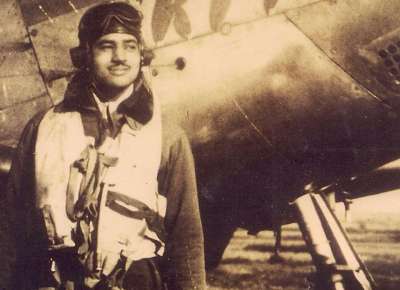
The National WWII Museum pays tribute to decorated combat pilot and Silver Service Medallion recipient Charles E. McGee, who passed away on January 16, 2022.
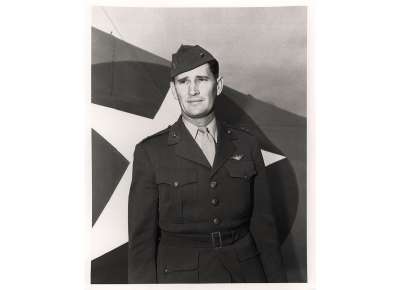
Joseph J. Foss was born on April 17, 1915, outside of Sioux Falls, South Dakota and became fascinated with flying at the age of 11 when he saw Charles Lindbergh on tour with his aircraft, the “Spirit of St. Louis”, at an airfield in Renner, South Dakota in 1927.
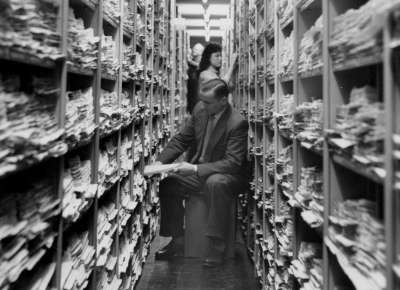
The Allies created the International Tracing Service (ITS), now referred to as the Arolsen Archives, to centralize postwar efforts to locate missing persons and help survivors discover the fate of family members in the aftermath of World War II and the Holocaust.
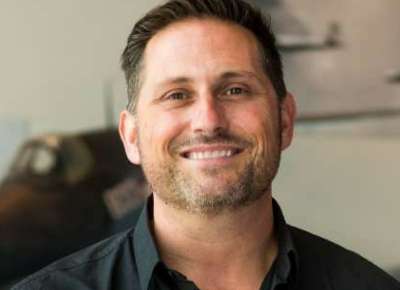
Larry Decuers is a former Curator at The National WWII Museum and veteran of the US Army's 101st Airborne Division.
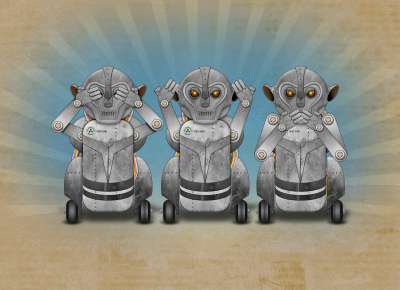
The National WWII Museum Robotics Challenge is an exciting opportunity for teams of students grades 4–8 to develop 21st century skills and participate in active problem-solving all based on real-life scenarios from World War II.
Through the story of a young Cuban boxer who died trying to gain employment on the naval base, this talk will explore the consequences of GTMO’s rapid growth on the local community of Guantánamo, Cuba, and the competition for jobs on the base during World War II.
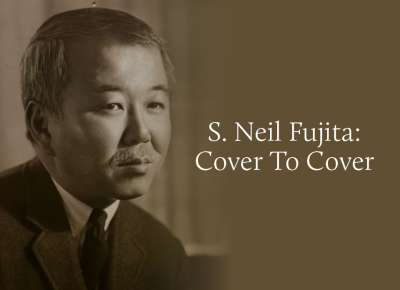
S. Neil Fujita was an American citizen born to parents of Japanese American ancestry. Like more than 120,000 other Japanese Americans, Fujita and his family were forcibly relocated and incarcerated during World War II.