Related Content
-
 Article Type
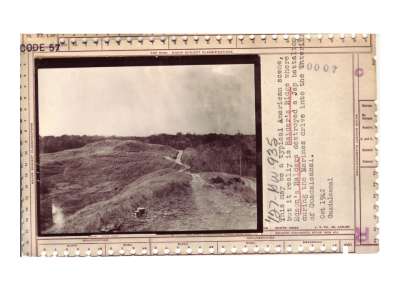
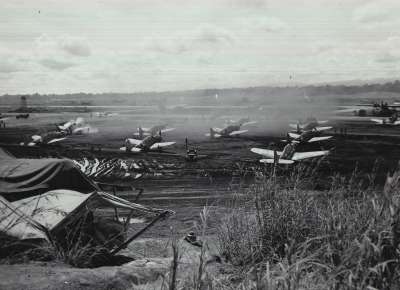
The Guadalcanal Ground Campaign: The First Two Months
Learn MoreThe Japanese continued to push hard to take Henderson Field, yet they never got as close to victory as they had the night of the attack on Edson’s Ridge
-
Article Type
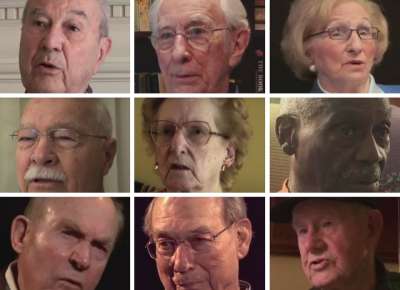
Memory and Understanding
Learn MoreThe past, present, and future of The National WWII Museum's collection of oral histories.
-
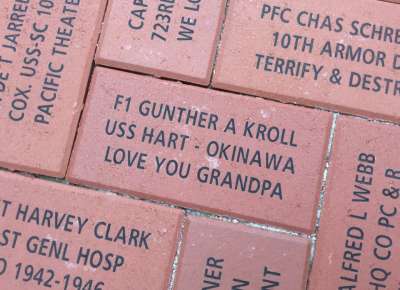
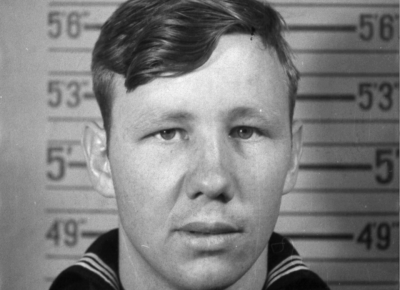
Remembering Fireman First Class Gunther A. Kroll
Learn MoreA visit to grandpa's Road to Victory Brick highlights a day at the Museum.
-
Article Type
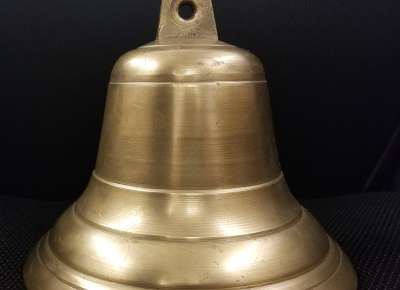
The Story Behind the Artifact: Japanese Fire-Cart Bell
Learn MoreAlone, the bell is a small gift. But in the context of a global, world-changing moment, it becomes invaluable.
-
Article Type
Aviation Radioman 3rd Class Jack Glass
Learn MoreGlass and the crew of the USS Enterprise survived Guadalcanal to fight another day—barely.
-
Article Type
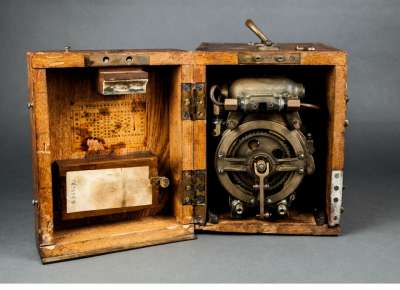
Type 93 “Long Lance” Torpedo Gyroscope
Learn MoreNicknamed the “Long Lance” by naval historian Samuel Eliot Morrison, the Japanese Type 93 was the best torpedo of World War II. This gyroscope helped keep it on target.
-
Article Type
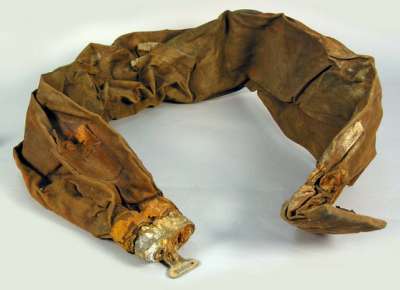
The Home Front Saves a Life
Learn MoreA US Navy sailor survives off of Guadalcanal thanks to a life belt with a remarkable connection to home.
-
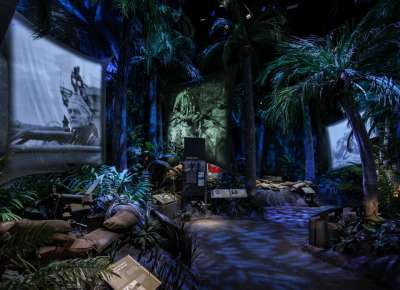
Guadalcanal Gallery Tour
Learn MoreTour Road to Tokyo's Guadalcanal gallery with Keith Huxen, PhD, Senior Director of Research and History in the Institute for the Study of War and Democracy.
-
Article Type
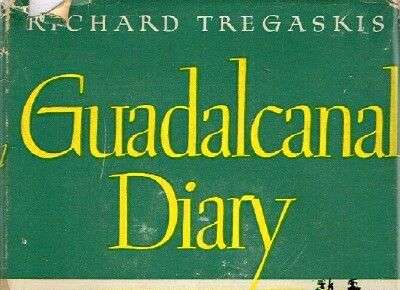
Guadalcanal Diary
Learn MoreRichard Tregaskis’s account of the first seven weeks of fighting is a classic of war literature.
-
Distance Learning: The Battle of Guadalcanal
Learn MoreMuseum Distance Learning Manager Chrissy Gregg and Richard Frank, author of Guadalcanal: The Definitive Account of the Landmark Battle, kick off an online learning series dedicated to the 75th anniversary of a pivotal battle in the Pacific war.
-
Article Type
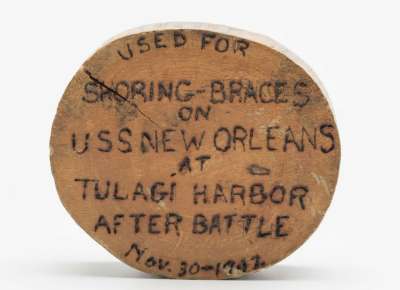
USS New Orleans Coconut Log Artifact
Learn MoreAfter a Japanese torpedo attack, a heavy cruiser survives to fight again -- with the help of a temporary bow fashioned from a tropical tree trunk.
-
Article Type
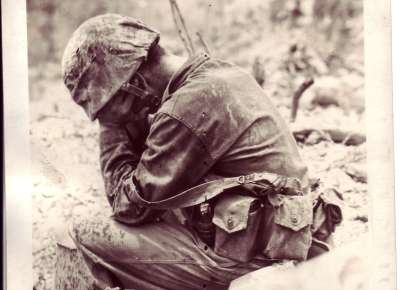
Private First Class Frank Pomroy
Learn MorePomroy saw some of the fiercest, most brutal fighting of World War II at Guadalcanal.