Related Content
-
 Article Type
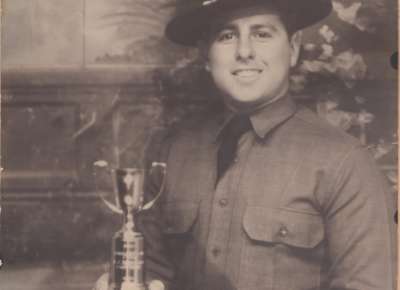
Sergeant Benton J. Broussard
Learn MoreA native of Crowley, Louisiana, the bilingual Broussard served as a translator for the 507th Infantry Regiment, giving his life shortly after D-Day.
-
Article Type
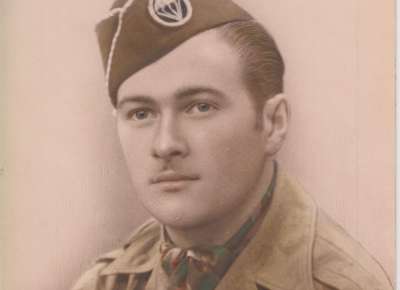
Sergeant Irving Becker
Learn MoreAn Austrian Jew serving in the US military, Irving Becker endured discrimination from both ally and foe during World War II. He ended up a crucial part of one of the most elite Allied forces ever assembled.
-
Article Type
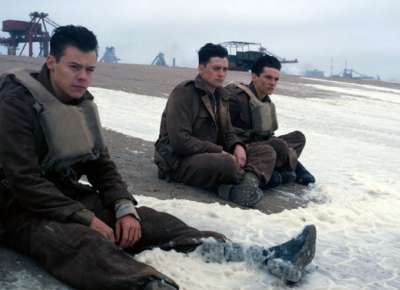
Dunkirk
Learn MoreSenior Historian Robert M. Citino, PhD, on Christopher Nolan’s WWII epic: “Nolan is particularly good at weaving together war’s three domains: on land, at sea, and in the air. The air battles, often a weak and confusing bore in war films, are as well-presented as any I’ve ever seen, and the German Stuka attacks, especially, are terrifying. No war film is truly realistic, but Dunkirk is as good as it gets.”
-
Article Type
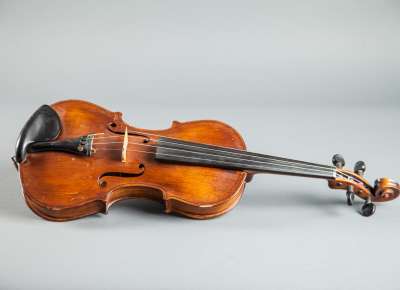
Stalag Symphony: Clair Cline
Learn MoreIn European prisoner of war camps, boredom became as fearsome an enemy as the Nazis themselves. These Americans fought it with inspiring creativity.
-
-
Article Type
Operation Husky: The Allied Invasion of Sicily
Learn MoreOn July 10, 1943, the Allies launched Operation Husky before sunrise, a massive amphibious assault on the southern shores of the island.
-
Press Release
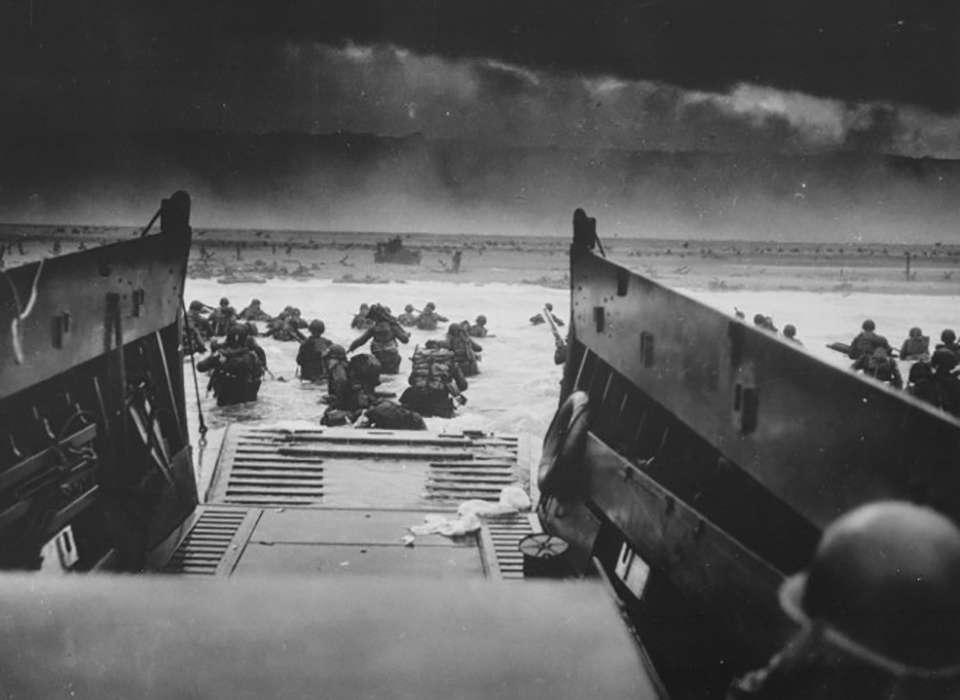
Explore Omaha and Utah Beaches with The National WWII Museum’s D-Day Tour
03/30/2017Learn MoreThe National WWII Museum today announced new dates for its most popular tour: D-Day – The Invasion of Normandy & Liberation of France. Taking place from September 14 through 20, and again September 21 through 27, this spectacular tour itinerary will provide guests with an in-depth exploration of the sites key to America’s most famous WWII battle. Offering a full week of touring in Normandy, the Museum’s signature tour offers great value and features top guides, superior accommodations in prime locations, comprehensive dining and exclusive access to sites unseen on other programs.
-
Exhibit
Road to Berlin
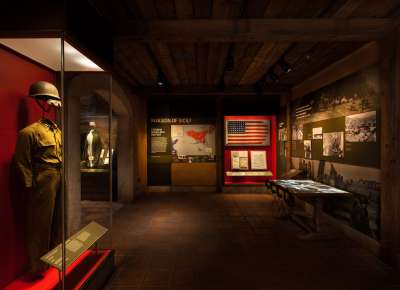
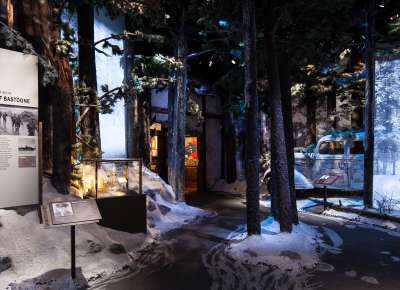
Learn MoreRoad to Berlin brings to life the drama, sacrifices, personal stories, and strategies of America’s campaign to defeat the Axis powers and preserve freedom.
-
Article Type
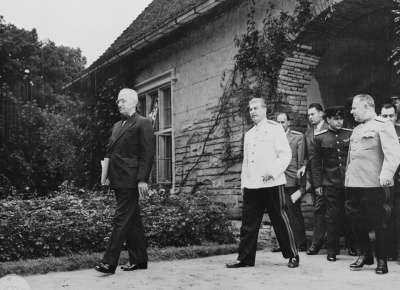
The Big Three
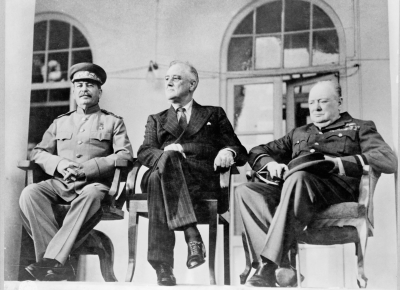
Learn MoreIn World War II, the three great Allied powers—Great Britain, the United States, and the Soviet Union—formed a Grand Alliance that was the key to victory. But the alliance partners did not share common political aims, and did not always agree on how the war should be fought.
-
Article Type
Cold Conflict
Learn MoreThe United States was not the only leading power on the world stage after the end of World War II; it had a new competitor for this power in the Soviet Union. Tensions between the former allies quickly grew, leading to a new kind of conflict—one heightened with the threat of atomic weapons—that came to dominate global politics for the remainder of the twentieth century.
-
Article Type
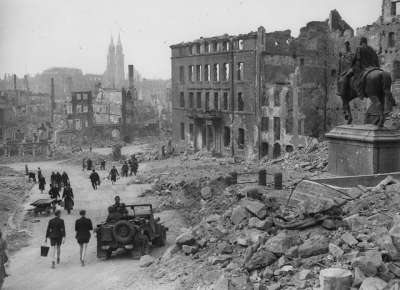
The Cost of Victory
Learn MoreAs fighting came to an end in 1945, people the world over faced for the first time the unprecedented extent of destruction and loss of life caused by World War II. As the costs of victory came into devastating focus, the diplomatic responses, rising global tensions between the United States and the Soviet Union, and social disruption that followed in the aftermath of this conflict showed that World War II was truly "the war that changed the world."
-
Exhibit
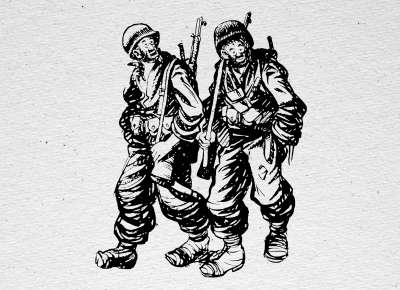
Drawn to Combat: Bill Mauldin and the Art of War
Learn MoreDrawn to Combat: Bill Mauldin and the Art of War explores the life and legacy of one of the most important American cartoonists of the 20th century, whose work during World War II captured the realities of life on the front lines. Originally organized by the Pritzker Military Museum & Library.