Related Content
-
 Article Type
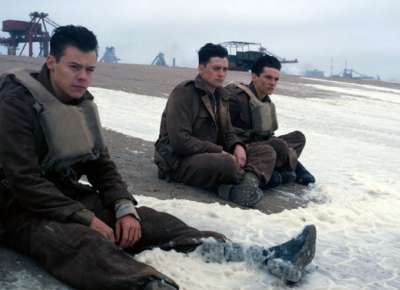
Dunkirk
Learn MoreSenior Historian Robert M. Citino, PhD, on Christopher Nolan’s WWII epic: “Nolan is particularly good at weaving together war’s three domains: on land, at sea, and in the air. The air battles, often a weak and confusing bore in war films, are as well-presented as any I’ve ever seen, and the German Stuka attacks, especially, are terrifying. No war film is truly realistic, but Dunkirk is as good as it gets.”
-
Article Type
Stalag Symphony: Clair Cline
Learn MoreIn European prisoner of war camps, boredom became as fearsome an enemy as the Nazis themselves. These Americans fought it with inspiring creativity.
-
-
Article Type
Operation Husky: The Allied Invasion of Sicily
Learn MoreOn July 10, 1943, the Allies launched Operation Husky before sunrise, a massive amphibious assault on the southern shores of the island.
-
Press Release
Explore Omaha and Utah Beaches with The National WWII Museum’s D-Day Tour
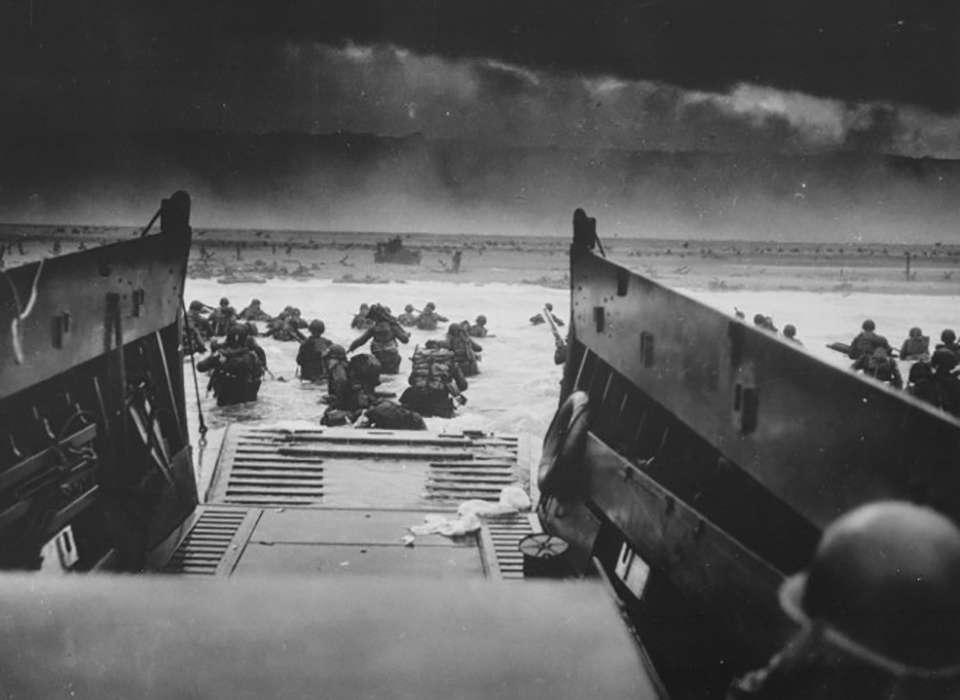
03/30/2017Learn MoreThe National WWII Museum today announced new dates for its most popular tour: D-Day – The Invasion of Normandy & Liberation of France. Taking place from September 14 through 20, and again September 21 through 27, this spectacular tour itinerary will provide guests with an in-depth exploration of the sites key to America’s most famous WWII battle. Offering a full week of touring in Normandy, the Museum’s signature tour offers great value and features top guides, superior accommodations in prime locations, comprehensive dining and exclusive access to sites unseen on other programs.
-
Article Type
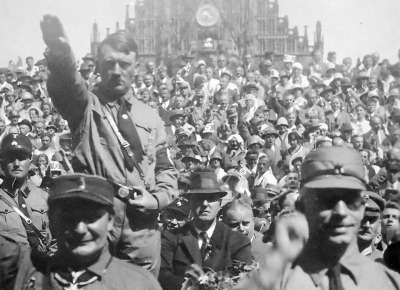
How Did Adolf Hitler Happen?
Learn MoreAdolf Hitler was appointed chancellor of Germany in 1933 following a series of electoral victories by the Nazi Party. He ruled absolutely until his death by suicide in April 1945.
-
Exhibit
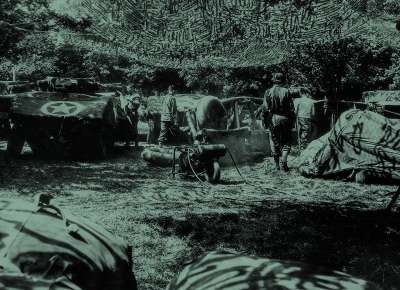
Ghost Army: The Combat Con Artists of World War II
Learn MoreThe special exhibit Ghost Army: The Combat Con Artists of World War II, on view in the Hall of Democracy’s Senator John Alario, Jr. Special Exhibition Hall from March 5 to January 31, 2021, and curated by the Museum’s James Linn, tells the story of the 23rd and their deception operations across Europe through featured artifacts such as artwork, uniforms, an inflatable tank, and more.
-
Article Type
Violet Kochendoerfer
Learn MoreDirector of On-Base Service Clubs, 315th Troop Carrier Group, The American Red Cross
-
Article Type
Liberation and Legacy
Learn MoreDr. Rob Citino highlights the moments of celebration, as well as realization of the repercussions that followed Allied victory and the end of World War II.
-
Article Type
From Arsenal to Ally: The United States Enters the War
Learn MoreWhen World War I ended in 1918, the American public was eager to reduce the country’s involvement in world affairs.
-
Article Type
PT-305 Gets a Colorful—and Deceptive—Paint Scheme
Learn MoreRead how the world's only fully restored, combat-veteran PT boat got its flashy paint job, and why.
-
Exhibit
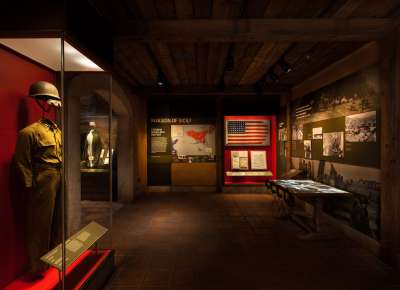
Road to Berlin
Learn MoreRoad to Berlin brings to life the drama, sacrifices, personal stories, and strategies of America’s campaign to defeat the Axis powers and preserve freedom.