-
 Article Type
Gender on the Home Front
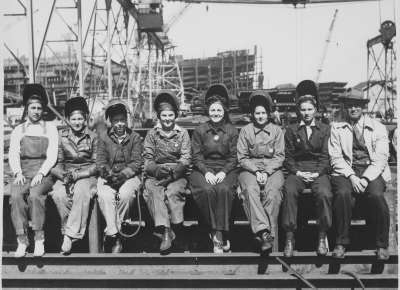
Learn MoreWartime needs increased labor demands for both male and female workers, heightened domestic hardships and responsibilities, and intensified pressures for Americans to conform to social and cultural norms.
-
Article Type
The Double V Victory
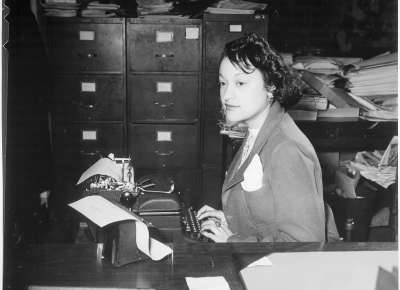
Learn MoreDuring World War II, African Americans made tremendous sacrifices in an effort to trade military service and wartime support for measurable social, political, and economic gains. As never before, local black communities throughout the nation participated enthusiastically in wartime programs while intensifying their demands for social progress.
-
Article Type
Becoming the Arsenal of Democracy
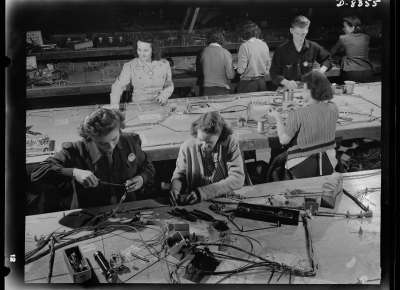
Learn MoreEarly on in World War II, Reichsmarschall Hermann Göring, one of Adolf Hitler’s top lieutenants, said that Americans could only make refrigerators and razor blades—they would never be able to produce the military equipment and supplies necessary to defeat Nazi Germany. Hitler took the same view in his public speeches, but privately he knew the clock was ticking. Germany would have to achieve victory fast, before American production had time to ramp up.
-
Article Type
Should the United States Keep Troops in Germany?
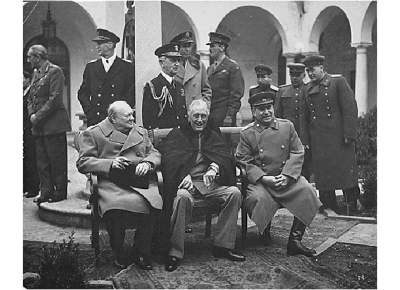
Learn MoreHow the looming Cold War convinced Americans to keep troops in Europe after the war.
-
Article Type
V-J Day
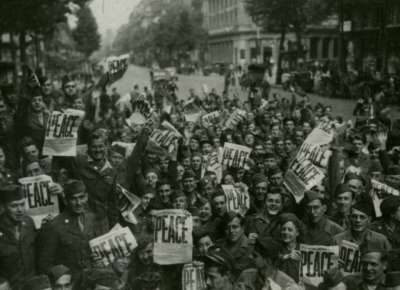
Learn More“It was too much death to contemplate, too much savagery and suffering; and in August 1945 no one was counting. For those who had seen the face of battle and been in the camps and under the bombs—and had lived—there was a sense of immense relief.”
-
Article Type
American Indian Code Talkers
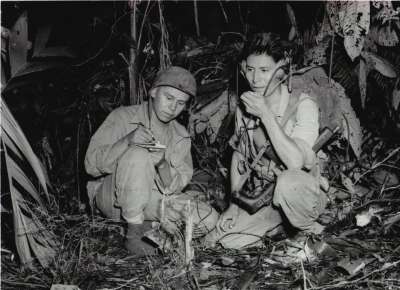
Learn MoreThe idea of using American Indians who were fluent in both their traditional tribal language and in English to send secret messages in battle was first put to the test in World War I with the Choctaw Telephone Squad and other Native communications experts and messengers. However, it wasn’t until World War II that the US military developed a specific policy to recruit and train American Indian speakers to become code talkers.
-
Article Type
The Hinge of Fate: From the Collection to the Classroom
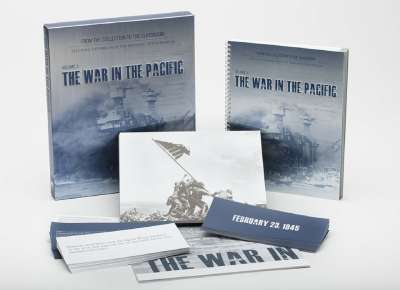
Learn MoreRichard B. Frank, author of Guadalcanal: The Definitive Account of the Landmark Battle (1990); Downfall: The End of the Imperial Japanese Empire (1999); and MacArthur (2007); lectures on the decisive battles of the Pacific war.
-
Article Type
For This We Fight
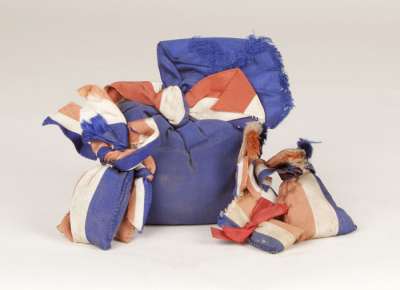
Learn MoreHow soil from Mississippi, and subsequently all over the country, ended up spread across the globe during World War II.
-
Article Type
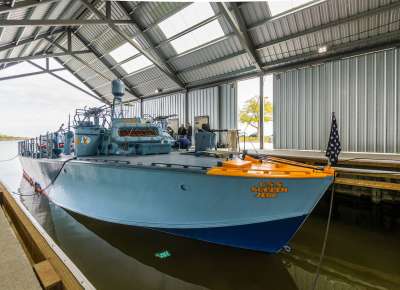
PT-305 Gets a Colorful—and Deceptive—Paint Scheme
Learn MoreRead how the world's only fully restored, combat-veteran PT boat got its flashy paint job, and why.
-
Article Type
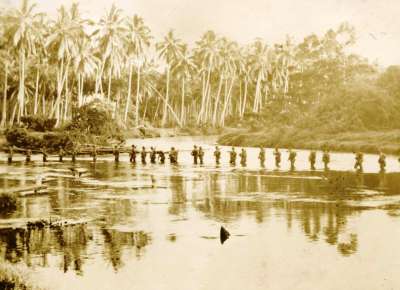
The Solomon Islands Campaign: Guadalcanal
Learn MoreAfter the US strategic victories at the Battles of the Coral Sea (May 7–8, 1942) and Midway (June 4–7, 1942), the Japanese Imperial Navy was no longer capable of major offensive campaigns, which permitted the Allies to start their own offensive in the Pacific.
-
Article Type
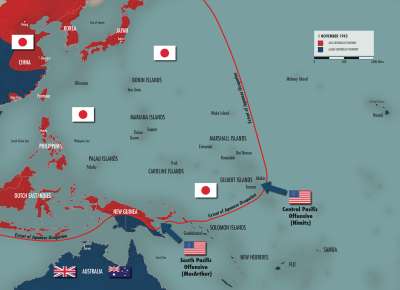
The Pacific Strategy, 1941-1944
Learn MoreOn December 7, 1941, Japan staged a surprise attack on Pearl Harbor, severely damaging the US Pacific Fleet. When Germany and Italy declared war on the United States days later, America found itself in a global war.
-
Article Type
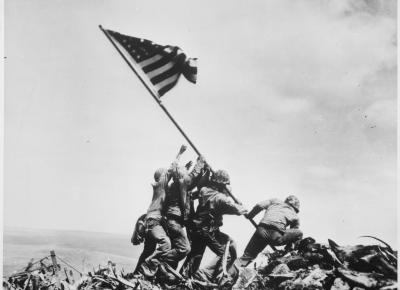
Iwo Jima and Okinawa: Death at Japan’s Doorstep
Learn MoreIn 1945, US forces bounded forward in the central Pacific as combat reached ever bloodier crescendos.