Article Type
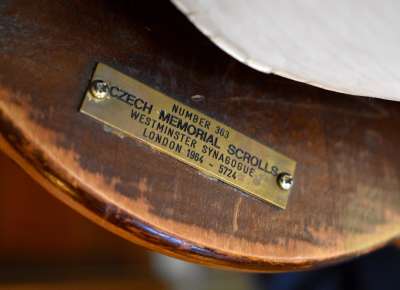
The Czech Memorial Scrolls in New Orleans
Torah scrolls recovered after the Holocaust found new homes at Touro Synagogue and Temple Sinai here in New Orleans.
Torah scrolls recovered after the Holocaust found new homes at Touro Synagogue and Temple Sinai here in New Orleans.
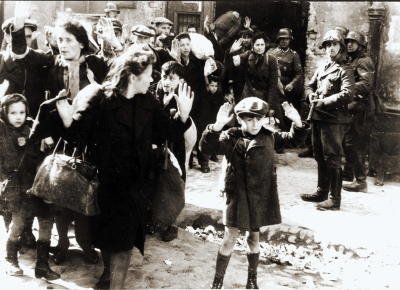
When the Nazis came to clear out the Warsaw Ghetto, they were met with fierce resistance.
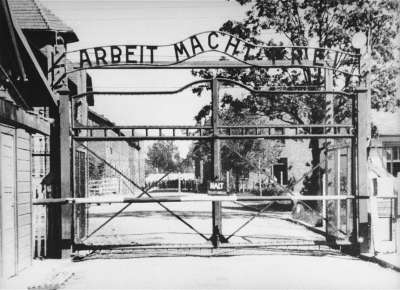
The commemorations on January 27 remind us that the Holocaust was the result of step-by-step decisions by individuals that led to the largest genocide in the history of mankind in a wave of antisemitism, intolerance, and hatred.
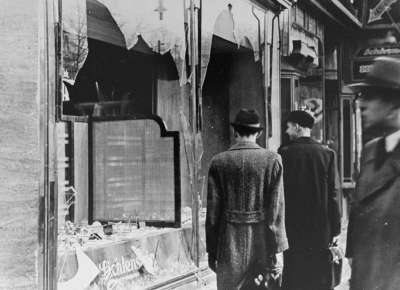
Kristallnacht, or the Night of Broken Glass, was the Nazi dictatorship’s declaration of war against German and Austrian Jews in November 1938.
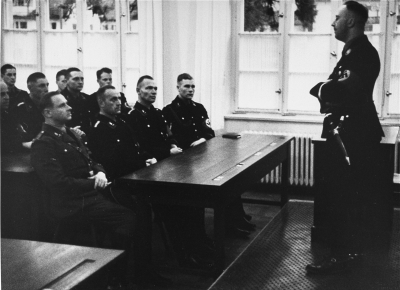
In October 1943, SS leader Heinrich Himmler gave two speeches, showing the full depravity of the exterminationist mindset.
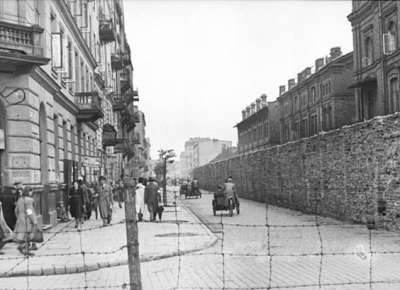
The creation of ghettos during World War II was a key part of Nazi plans to brutally persecute, separate, and eventually liquidate Europe’s Jewish population.
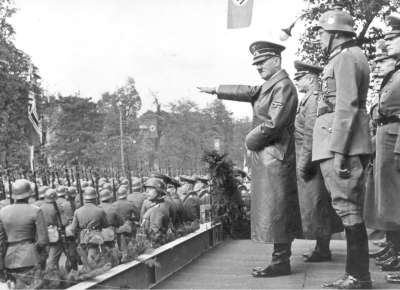
From the beginning, this was to be a different kind of war—a war not only of conquest but also of annihilation.
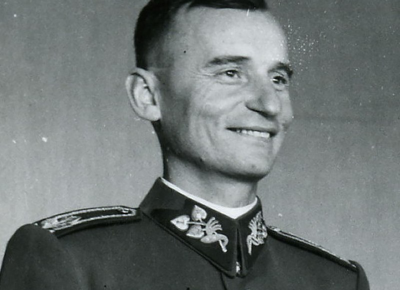
The strength, depth, and impact of the 1944 Slovak National Uprising made it one of the largest and most important anti-fascist campaigns in Europe during World War II.
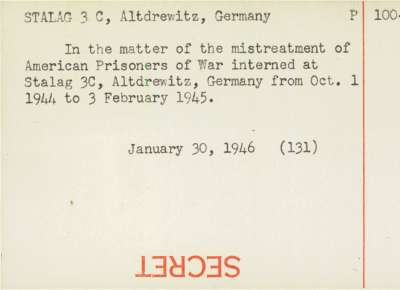
On January 31, 1945, American prisoners of war from Stalag III-C were caught, tragically, in a firefight between German guards and Soviet troops.
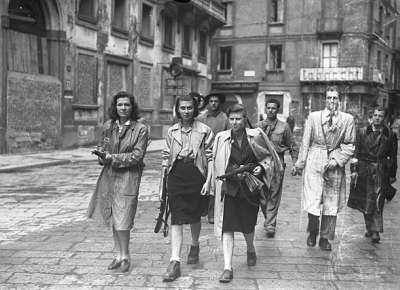
News of the crushing Soviet victory at Stalingrad in February 1943 over the Third Reich and its satellite states struck the rest of Europe, indeed the globe, like a thunderbolt.