Article Type
The ‘Band of Brothers’ That Wasn’t
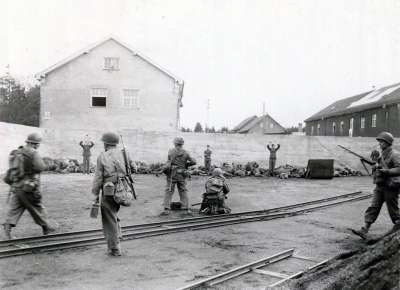
Though the 52 men inducted with Company I in 1940 rendered excellent service, their “band of brothers” did not endure much past their first months in combat.
Though the 52 men inducted with Company I in 1940 rendered excellent service, their “band of brothers” did not endure much past their first months in combat.
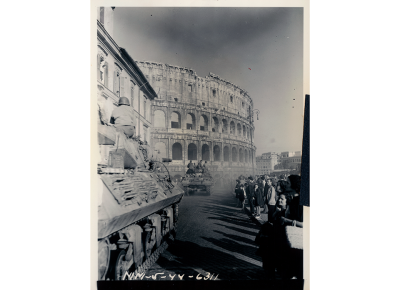
The Allied capture of Rome in June 1944 marked the fall of the first Axis capital but was ultimately overshadowed by the D-Day landings in Normandy.
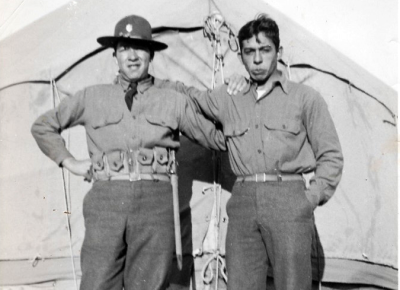
Company E far exceeded the simplistic expectations of “Americanization” that marked its beginning, and its men went on to prove what it meant to be truly American.
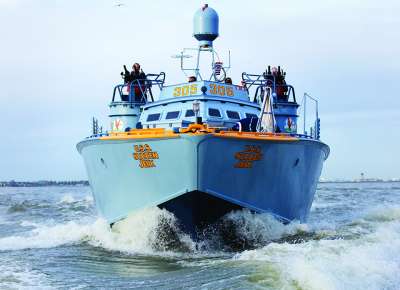
As 1943 turned to 1944, PT-305 departed New Orleans, and she would not be back for more than six decades.
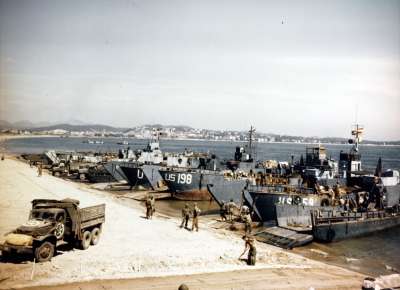
Originally designated Operation Anvil and intended to support the hammer blow of the Normandy landings two months earlier, the renamed Operation Dragoon fulfilled an American desire for a lodgment in southern France that shifted forces from the strategic cul-de-sac of Italy.
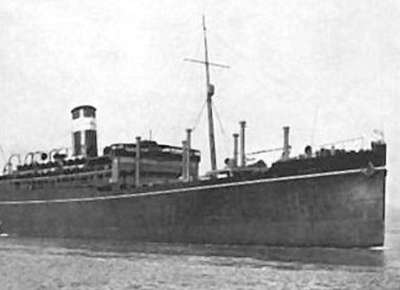
Classified for 50 years, the sinking of the HMT Rohna remains one of the least known—yet most catastrophic—events of World War II.
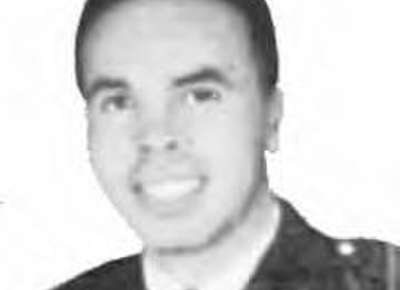
Second Lieutenant Rudolph B. Davila, of Spanish-Filipino descent, received the Medal of Honor for his heroic actions near Artena, Italy, during World War II.

The cascade of disasters that followed Benito Mussolini’s entry into World War II made possible a resurgence of anti-Fascism in Italy.
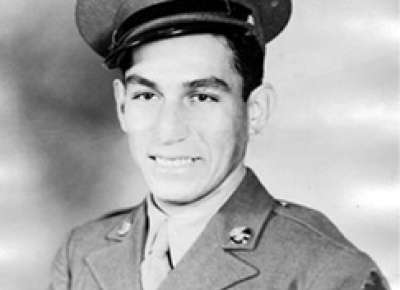
For what he did on October 4, 1944, Staff Sergeant Manuel V. Mendoza garnered a special place in the history of Nazi Germany’s defeat.
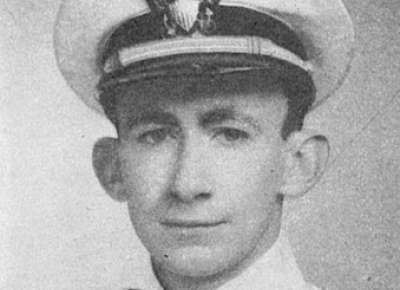
Navy Ensign John Joseph Parle risked his own life to save a ship and ensure a successful Allied amphibious invasion of Sicily in 1943.