Article Type
History Through the Viewfinder
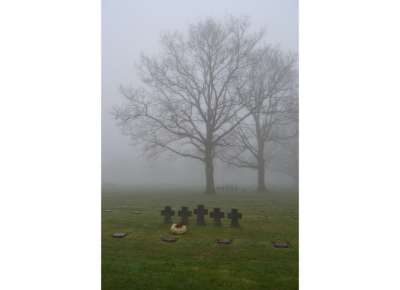
Looking deep into the past at the German Military Cemetery at La Cambe.
Looking deep into the past at the German Military Cemetery at La Cambe.
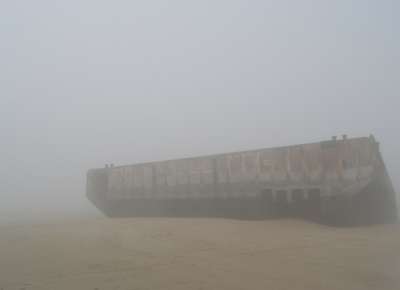
A haunting visit to Mulberry "B" on Gold beach.
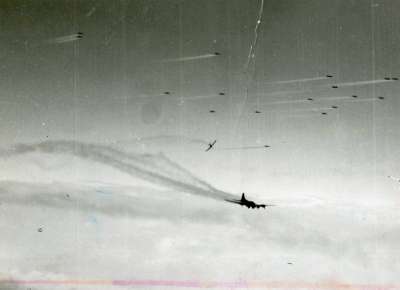
In the grisly battle for European air supremacy, the Luftwaffe proved a deadly foe to Allied bombers.
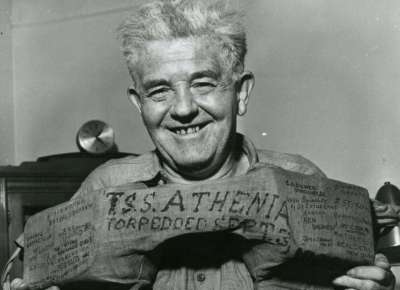
A remarkable artifact survives to tell the story of the first moments of the Battle of the Atlantic.

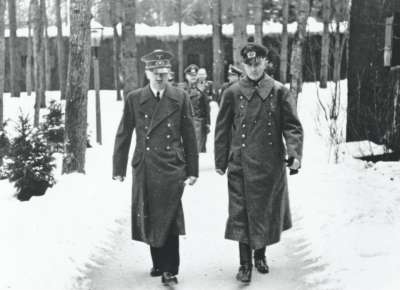
In a global conflict of exploding bombs and shells—tens of millions of them on land, sea, and in the air—setting one off in Hitler's headquarters might seem like the simplest thing in the world.
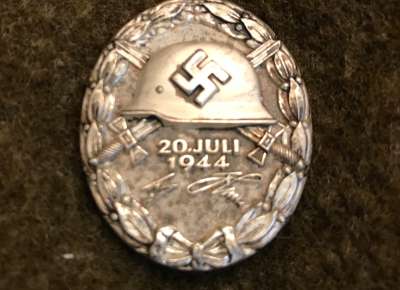
As the war wound down, Allied soldiers scavenged any Nazi loot they could find, often with dire consequences. A solider named Larry Hirschbach uncovered what is now one of the Museum's most prized possessions.
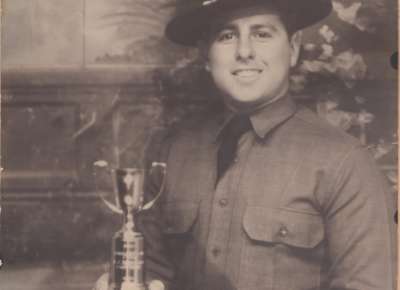
A native of Crowley, Louisiana, the bilingual Broussard served as a translator for the 507th Infantry Regiment, giving his life shortly after D-Day.
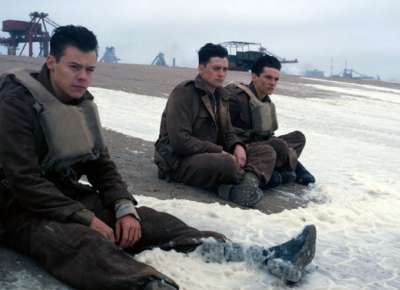
Senior Historian Robert M. Citino, PhD, on Christopher Nolan’s WWII epic: “Nolan is particularly good at weaving together war’s three domains: on land, at sea, and in the air. The air battles, often a weak and confusing bore in war films, are as well-presented as any I’ve ever seen, and the German Stuka attacks, especially, are terrifying. No war film is truly realistic, but Dunkirk is as good as it gets.”
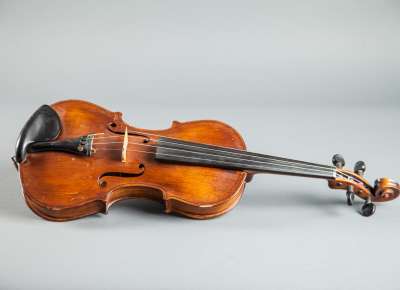
In European prisoner of war camps, boredom became as fearsome an enemy as the Nazis themselves. These Americans fought it with inspiring creativity.