‘At Last We Have Come to D-Day’
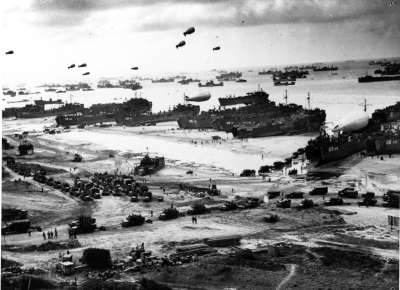
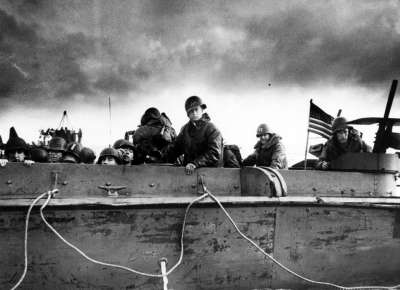
In the June 7, 1944, edition of her newspaper column My Day, First Lady Eleanor Roosevelt reflected on the news of the D-Day landings in Normandy and the long path ahead to victory in Europe.
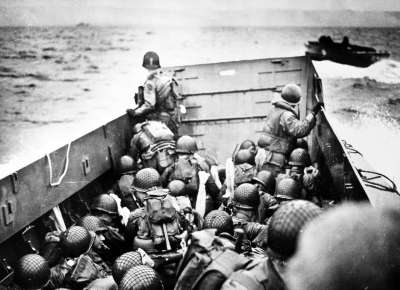
Planning the Overlord assault didn’t just happen overnight. It was a result of a prewar doctrinal framework built upon six identified components for an amphibious assault.
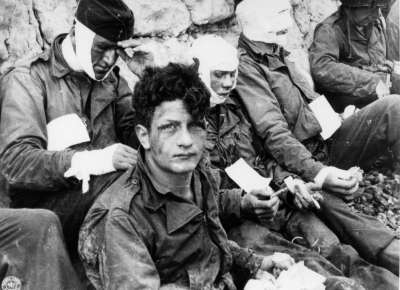
This column is the last of three D-Day columns written by war correspondent Ernie Pyle describing the Allied invasion of Normandy.
Despite their early agreement on a strategy focused on defeating “Germany First,” the US and British Allies engaged in a lengthy and divisive debate over how exactly to conduct this strategy before they finally settled on a plan for Operation Overlord, the D-Day invasion of Normandy.
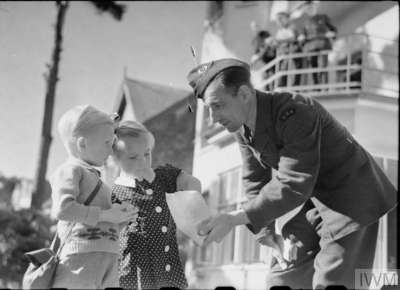
Often referred to as the “Friendly Invasion,” the mixing of Yanks with British subjects often made for a clash of cultures.
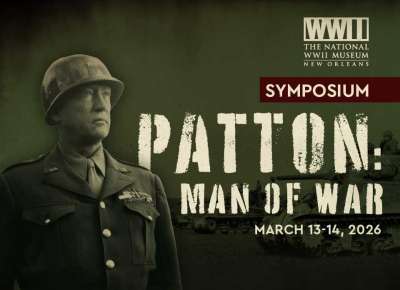
Join us for a detailed look at the life and legacy of one of the most famous and controversial commanders of World War II—George S. Patton.
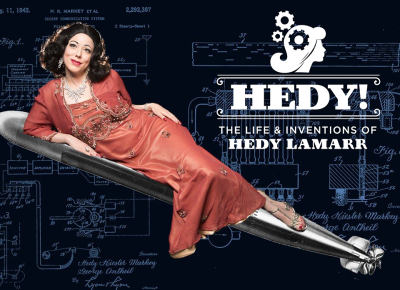
This one-woman show pays tribute to one of Hollywood’s most glamorous stars while shedding light on her legacy as a trailblazing inventor.
Spark your child's love of history with our WWII-themed storytime experience.