Article Type
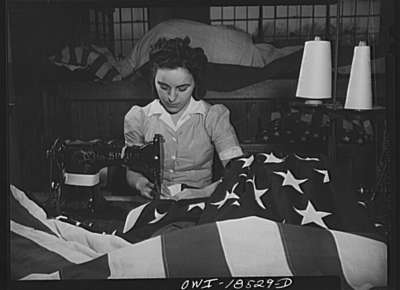
July 4, 1941: FDR's Address to the Nation
From Franklin D. Roosevelt’s perspective in the White House, democracy was under attack overseas and at home in mid-1941.
From Franklin D. Roosevelt’s perspective in the White House, democracy was under attack overseas and at home in mid-1941.

A young New Zealander airman receives a Victoria Cross for his daring feats.
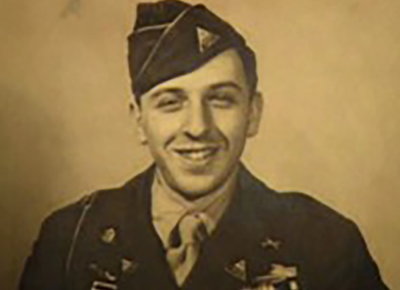
Frank Kameny saw combat in Europe during the war, only to return home to face discrimination from the very country he served.
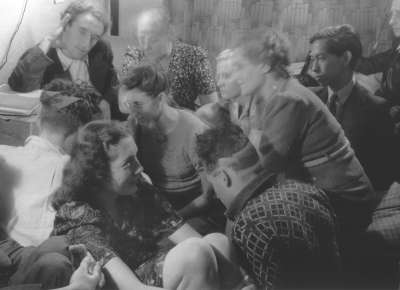
Though they resisted in many ways, Amsterdam’s Jewish population suffered immensely in World War II.
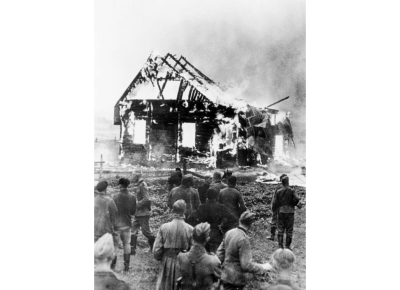
As the anniversaries of Operations Barbarossa and Bagration approach, it is an opportune time to reexamine the immeasurably brutal war between Nazi Germany and the Soviet Union.
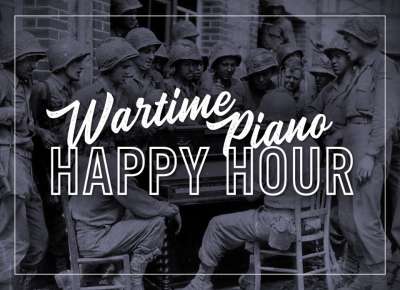
Head to The Higgins Hotel for a live instrumental showcase of wartime piano music.

Learn more about how comic books inspired readers and reflected a world at war.
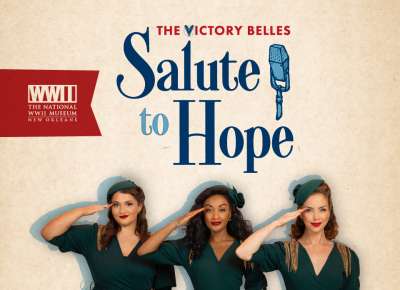
Enjoy a buffet lunch as the delightful Victory Belles trio perform the popular and patriotic music of the 1940s in rich, three-part harmony.