Article Type
Uniting Communities for War
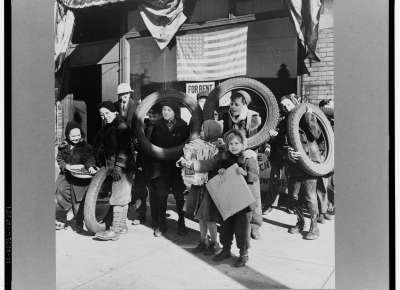
Fighting World War II presented daunting military obstacles overseas, but it also involved serious challenges for American communities on the Home Front.
Fighting World War II presented daunting military obstacles overseas, but it also involved serious challenges for American communities on the Home Front.
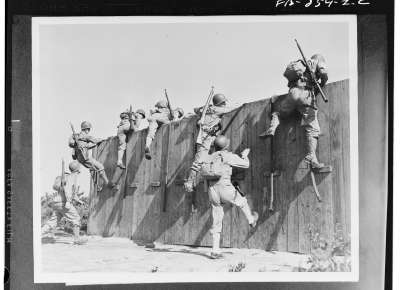
As the United States prepared for war, military leaders had a long list of needs—guns, tanks, ships, and equipment of every kind. One of the things they needed most of all, however, was people.
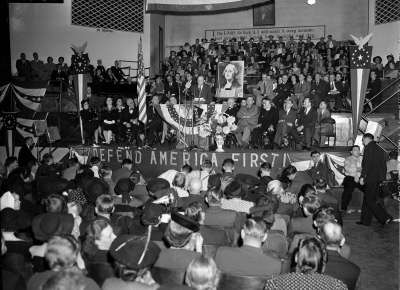
From our 21st-century point of view, it is hard to imagine World War II without the United States as a major participant. Before the Japanese attack on Pearl Harbor in 1941, however, Americans were seriously divided over what the role of the United States in the war should be, or if it should even have a role at all. Even as the war consumed large portions of Europe and Asia in the late 1930s and early 1940s, there was no clear consensus on how the United States should respond.
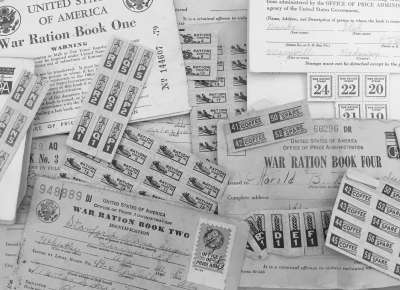
World War II put a heavy burden on US supplies of basic materials like food, shoes, metal, paper, and rubber. The Army and Navy were growing, as was the nation’s effort to aid its allies overseas. Civilians still needed these materials for consumer goods as well. To meet this surging demand, the federal government took steps to conserve crucial supplies, including establishing a rationing system that impacted virtually every family in the United States.
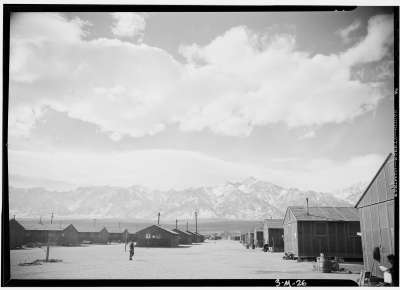
At the time of the Japanese attack on Pearl Harbor in 1941, about 120,000 persons of Japanese ancestry lived on the US mainland, mostly along the Pacific Coast. About two thirds were full citizens, born and raised in the United States. Following the Pearl Harbor attack, however, a wave of antiJapanese suspicion and fear led the Roosevelt administration to adopt a drastic policy toward these residents, alien and citizen alike.
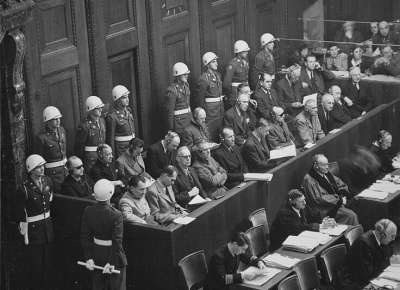
Learn about the Nuremberg Trials that took place after World War II, how the trials changed the meaning of justice on a global scale, and effective strategies and resources to teach about this event in your classroom.
The US National Guard will celebrate its 387th birthday.
Celebrate the holidays, Louisiana-style! The Victory Belles will take you on a musical tour from the raucous Cajun bayous to the splendors of caroling in historic Jackson Square. Hear your favorite yuletide tunes like “Have a Holly Jolly Christmas,” “Christmastime in New Orleans,” and “White Christmas” as you spend the holidays at BB’s Stage Door Canteen.