Article Type
Hans Courant, Los Alamos
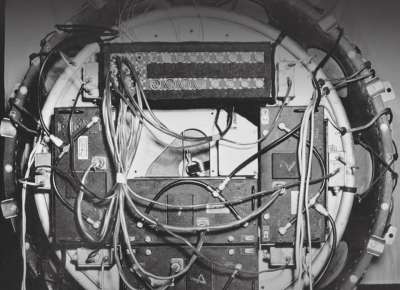
Hans Courant talks about his time at Los Alamos, building components for the atomic bomb, and coming to the realization that the bomb would be used on human beings.
Hans Courant talks about his time at Los Alamos, building components for the atomic bomb, and coming to the realization that the bomb would be used on human beings.
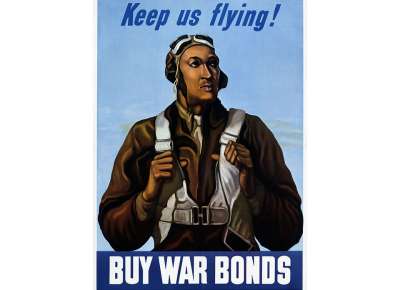
More than 14,000 African American men served in the US Army Air Forces in segregated units during World War II. Only about 1,000 of them were pilots. Many others, like Louisiana native Albert Porche, filled vital support roles which kept the famed Red Tails flying in Italy.
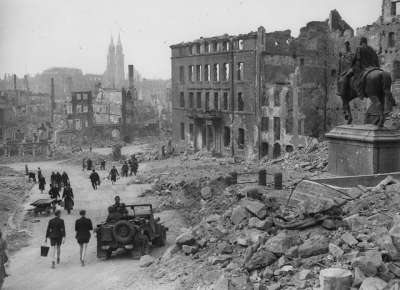
As fighting came to an end in 1945, people the world over faced for the first time the unprecedented extent of destruction and loss of life caused by World War II. As the costs of victory came into devastating focus, the diplomatic responses, rising global tensions between the United States and the Soviet Union, and social disruption that followed in the aftermath of this conflict showed that World War II was truly "the war that changed the world."
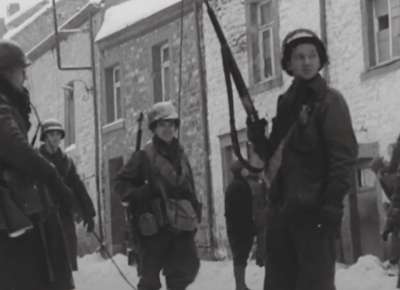
Raymond Mason describes the 4th Armored Division’s assault toward the town of Bastogne where they were heading to relieve the 101st Airborne Division during the Battle of the Bulge.
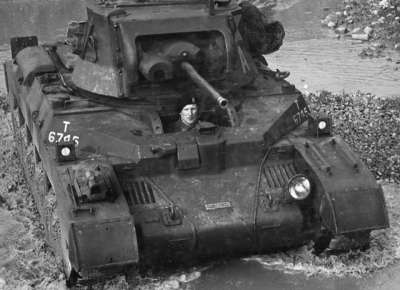
Born of desperation, the British tank attack at Arras on May 21, 1940 was a tactical failure with major strategic implications—and it may have helped to save the British army.
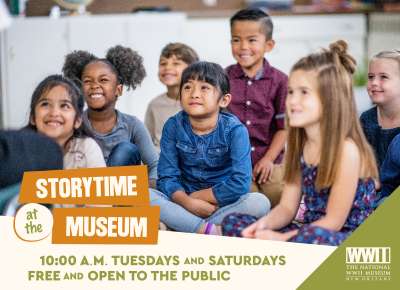
Spark your child's love of history with our WWII-themed storytime experience.

Join historians from the Jenny Craig Institute for the Study of War and Democracy, The National WWII Museum's research center, for casual conversation over happy hour-priced drinks.
Spark your child's love of history with our WWII-themed storytime experience.