Gender on the Home Front
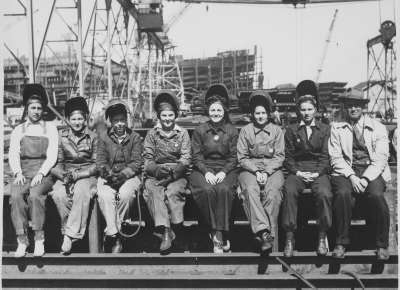
Wartime needs increased labor demands for both male and female workers, heightened domestic hardships and responsibilities, and intensified pressures for Americans to conform to social and cultural norms.
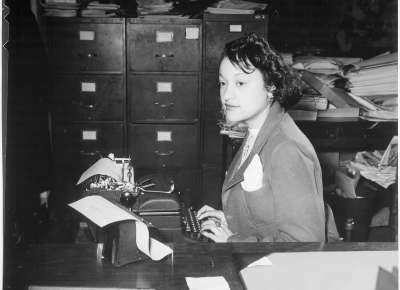
During World War II, African Americans made tremendous sacrifices in an effort to trade military service and wartime support for measurable social, political, and economic gains. As never before, local black communities throughout the nation participated enthusiastically in wartime programs while intensifying their demands for social progress.
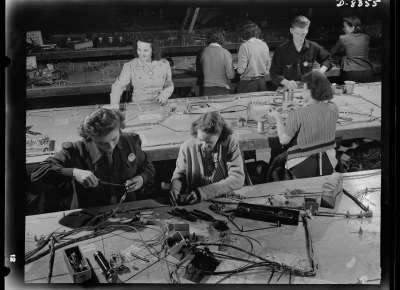
Early on in World War II, Reichsmarschall Hermann Göring, one of Adolf Hitler’s top lieutenants, said that Americans could only make refrigerators and razor blades—they would never be able to produce the military equipment and supplies necessary to defeat Nazi Germany. Hitler took the same view in his public speeches, but privately he knew the clock was ticking. Germany would have to achieve victory fast, before American production had time to ramp up.
The personal cost of a great victory is brought home to a young pilot.
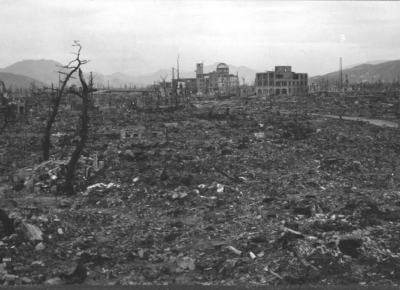
From the Manhattan Project to Hiroshima and atomic diplomacy.
This Armed Forces Day, celebrate Blue Star Families with The National WWII Museum.
Join The National WWII Museum to celebrate Armed Forces Day and recognize servicemembers, both past and present, in all six branches of the US military: the Army, Navy, Marine Corps, Coast Guard, Air Force, and Space Force.
Head to The Higgins Hotel for a live instrumental showcase of wartime piano music.