Fighting for the Right to Fight
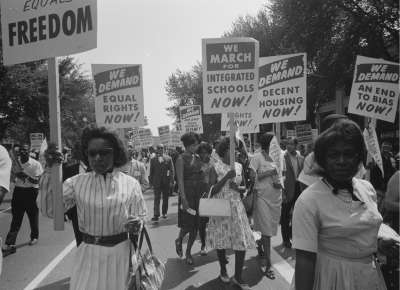
The traveling exhibit tells the story of how World War II became the major catalyst in the 20th century for African Americans seeking change in their fortunes, both on the Home Front and in the American military.
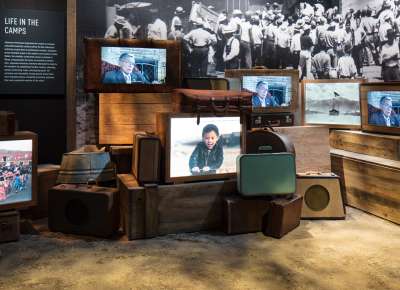
Historian Hannah Dailey discusses Japanese American incarceration during World War II through the lens of oral histories conducted with former Congressman Norman Y. Mineta and former Senator Alan K. Simpson.
The experiences of those left to support the war effort on the Home Front, combined with those of returning veterans, helped further reveal underlying tensions and led to significant changes in the social history of the United States.
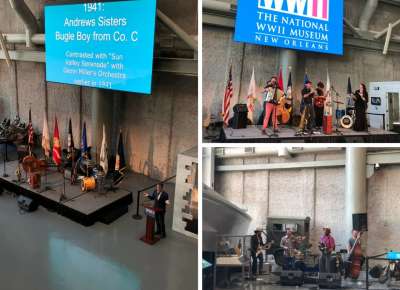
To mark the Museum closing of the special exhibit dedicated to Louisiana's WWII history, watch two musical performances and a presentation about Louisiana music during wartime.
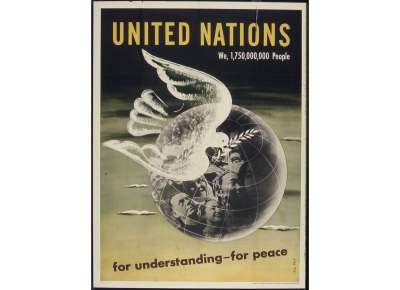
In April 1945, fifty nations gathered in San Francisco, California and created The United Nations.
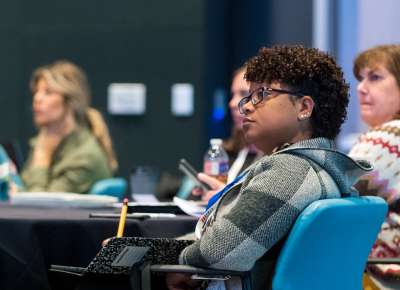
Learn about the history of the United States' decision to use nuclear weapons on Japan and how to teach this event through a range of primary and secondary sources in this free virtual teacher workshop.
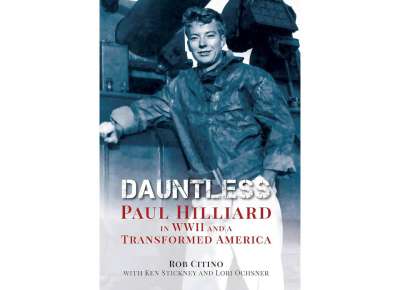
Join us for discussion of WWII veteran and Museum Trustee Paul Hilliard's life as documented in the new biography, Dauntless.
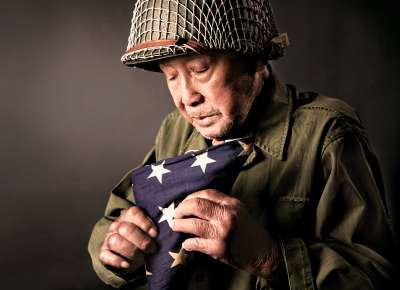
A selection of photographer Shane Sato’s powerful portraits of Japanese American veterans of World War II will be showcased in the Joe W. and Dorothy D. Brown Foundation Special Exhibit Gallery at The National WWII Museum from June 30, 2023, through March 31, 2024.