The Pacific Strategy, 1941-1944
On December 7, 1941, Japan staged a surprise attack on Pearl Harbor, severely damaging the US Pacific Fleet. When Germany and Italy declared war on the United States days later, America found itself in a global war.
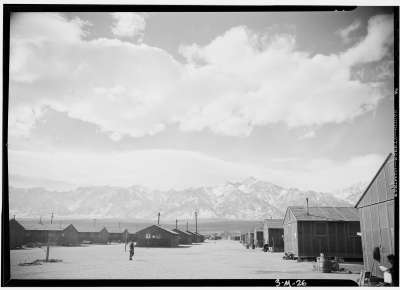
At the time of the Japanese attack on Pearl Harbor in 1941, about 120,000 persons of Japanese ancestry lived on the US mainland, mostly along the Pacific Coast. About two thirds were full citizens, born and raised in the United States. Following the Pearl Harbor attack, however, a wave of antiJapanese suspicion and fear led the Roosevelt administration to adopt a drastic policy toward these residents, alien and citizen alike.
Known as a tropical paradise today, for many sailors before December 7, 1941, it was just another port of call during their naval service.
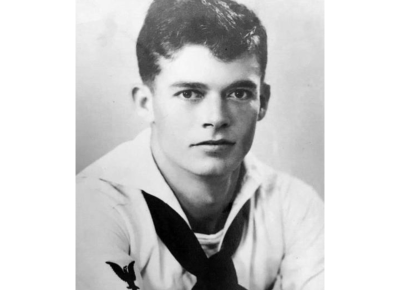
Jessie Alton Mahaffey was aboard the battleship USS Oklahoma when Japanese air forces attacked the US Pacific Fleet at Pearl Harbor on December 7, 1941.
The USS Utah (AG-16) had a long and sometimes peculiar career before the veteran warship met its end at Pearl Harbor.
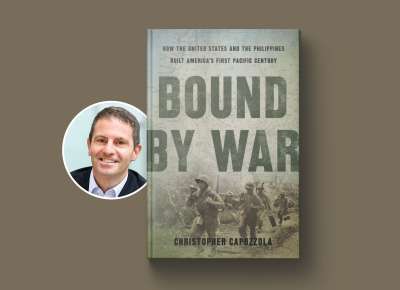
Join us for the concluding event of our 80th Anniversary of Pearl Harbor programming, a discussion that covers a sweeping history of America’s long and fateful military relationship with the Philippines amid a century of Pacific warfare.
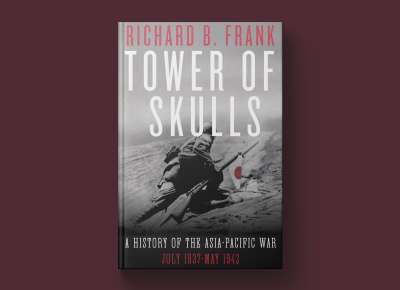
A panel discussion of historians from members of The Institute for the Study of War and Democracy in The National WWII Museum’s US Freedom Pavilion: The Boeing Center
As a part of the Museum’s 80th Anniversary of Pearl Harbor programming, one of our closest friends and advisors joins our Senior Historian for a conversation on his book and the events surrounding and during the December 7, 1941, attack on Pearl Harbor.