Article Type
No Respect: The United Nations in Peace and War
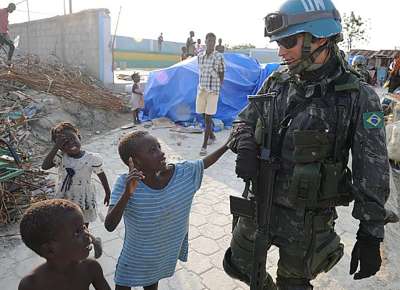
The United Nations was a child of World War II, and another one of FDR's good ideas.
The United Nations was a child of World War II, and another one of FDR's good ideas.
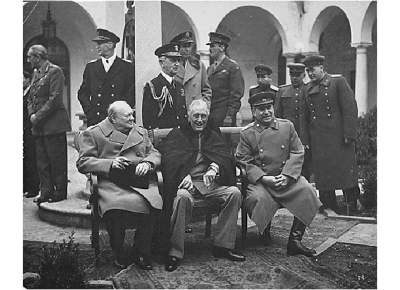
How the looming Cold War convinced Americans to keep troops in Europe after the war.
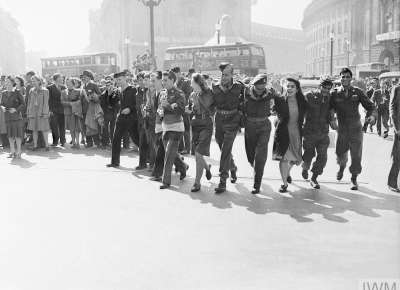
In her August 15, 1945, My Day column, Eleanor Roosevelt reflects on the mixed emotions following the announcement of peace, mourning the war’s losses while urging world leaders to use atomic energy for the benefit of all humanity and to work toward a unified, peaceful future.
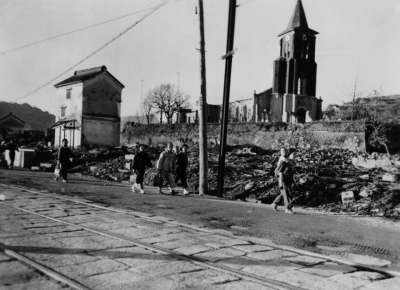
In her August 10, 1945, My Day column, Eleanor Roosevelt reflects on the Atomic bombing of Nagasaki, urging an end to discrimination and calling for faith in humanity’s ability to meet the challenges of the atomic age.
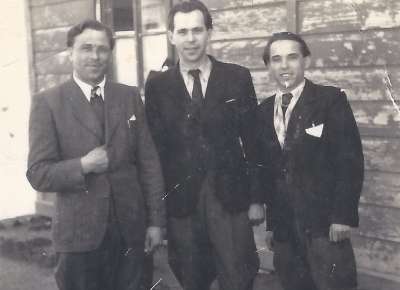
After World War II 1.2 million Eastern European displaced persons refused to return home, creating a large-scale refugee crisis.
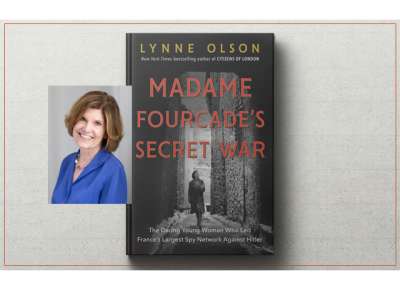
Join author Lynne Olson for a discussion about her new book Madame Fourcade’s Secret War: The Daring Young Woman Who Led France’s Largest Spy Network Against Hitler.
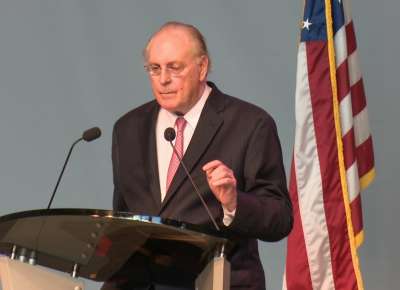
The Institute for the Study of War and Democracy, with the generous support of the Strake Foundation, is delighted to host best-selling author Winston Groom for a presentation about his book illuminating the “Big Three” leaders of World War II.
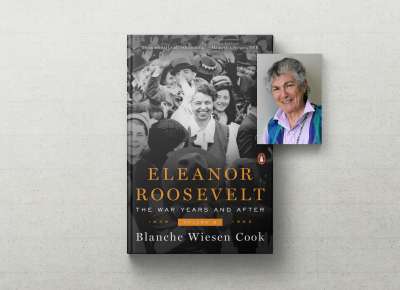
The Institute for the Study of War and Democracy, with the generous support of the Strake Foundation, is delighted to host Blanche Wiesen Cook, PhD, for a presentation about the third book in her Eleanor Roosevelt trilogy.