'Black Week': The Darkest Days for the US Army Air Forces
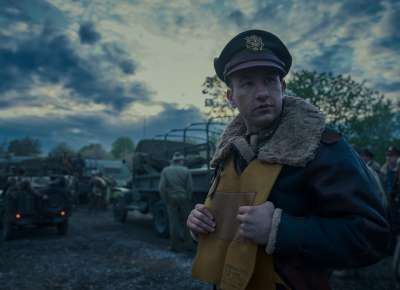
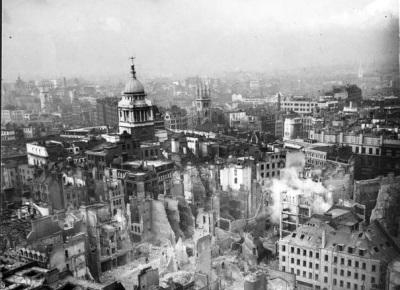
In the span of only a few days in October 1943, the US Army Air Forces was forced to reconsider its entire strategic bombing endeavor in the European theater.
Prior to World War II, there was a thriving American wristwatch industry, but it became a casualty of the war.
The Longoria Affair, as it came to be known, drew national attention to the systemic discrimination that Latino Americans faced and served as a rallying point for the American GI Forum’s campaign against pervasive racism and inequality.
Second Lieutenant Rudolph B. Davila, of Spanish-Filipino descent, received the Medal of Honor for his heroic actions near Artena, Italy, during World War II.
German technology surpassed the Allies' with the production of radio-guided weapons that worked in a combat environment. As early as 1943, the Henschel (Hs) 293 and the Ruhrstahl X-1 (Fritz X) were the first guided bombs employed in combat. These weapons debuted around the time of the Allied assault on Salerno and were a new concern for fleet defense.
Experience the drama and intrigue of espionage at The National WWII Museum's summer Spy Camp! This session is for children entering grades 5 and 6.
Join us in conversation with John Curatola, PhD, Samuel Zemurray Stone Senior Historian at the Jenny Craig Institute for the Study of War and Democracy.
Join Bing and the Belles as they look back on his USO performances during World War II and sing his wartime hits.